




Monochrome Classical Drawing
Monochrome classical drawing brings together works on paper that capture timeless subjects through ink, graphite, charcoal and chalk.
Monochrome Classical Drawing
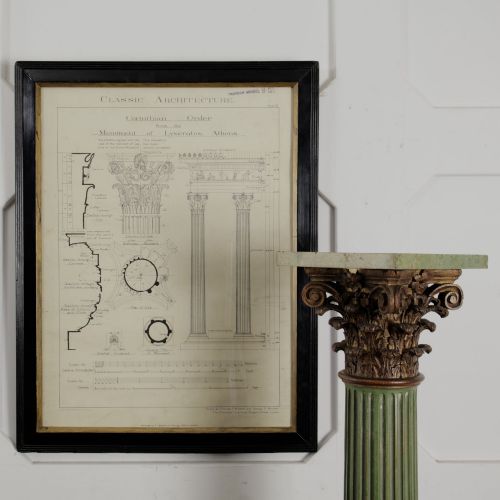
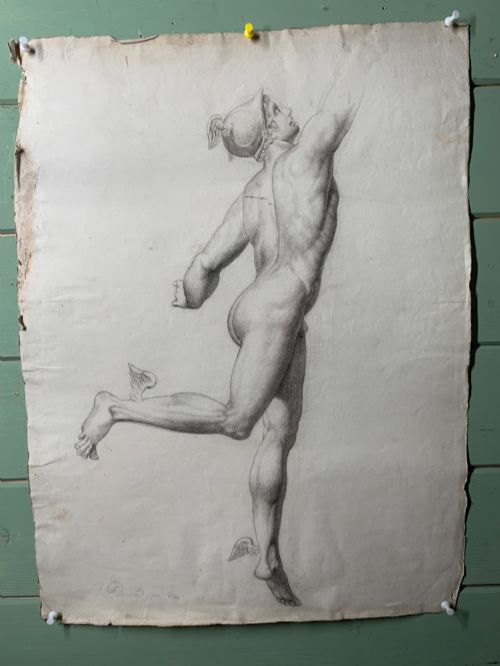
A monochrome classical drawing offers a focused look at historical subjects, ranging from mythological figures like the god Hermes to architectural studies of the Doric Portico in Athens. These works span multiple centuries, appearing in Georgian, eighteenth-century and nineteenth-century formats alongside later interpretations.
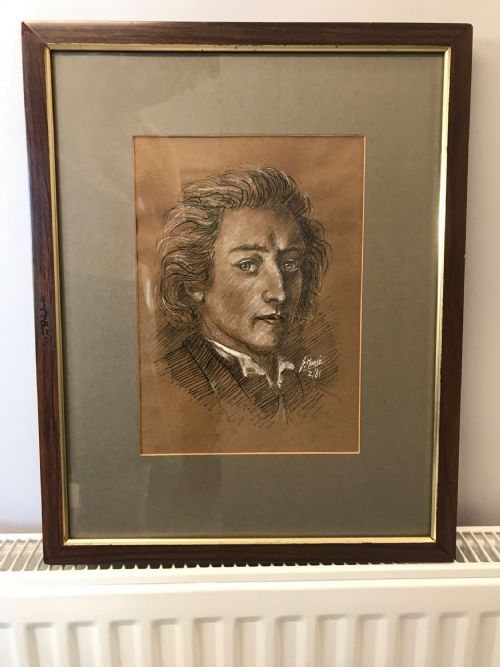
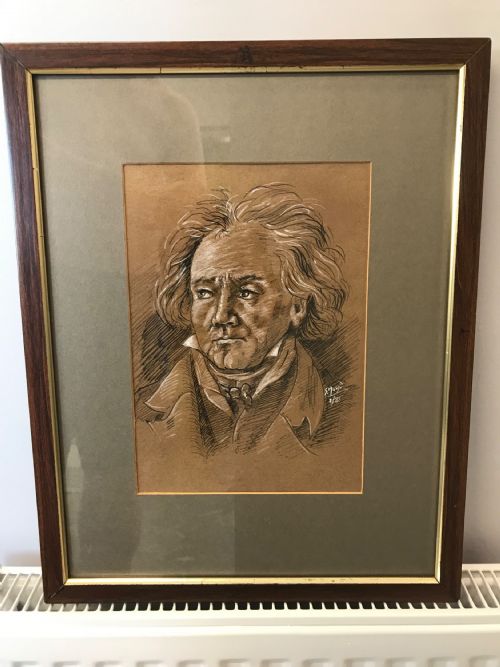
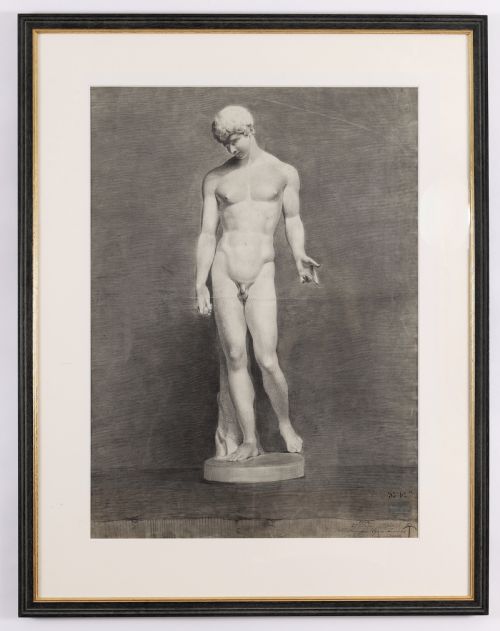
The selections on this page encompass original drawings, academic life studies of the male nude, and framed architectural prints or engravings. Buyers frequently encounter detailed portraiture, such as depictions of Frédéric Chopin or Ludwig van Beethoven executed in pen, ink wash and gouache.
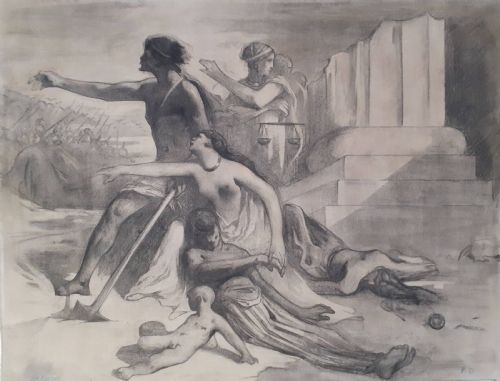
Compositions often reflect academic training, demonstrating the influence of French neoclassical traditions and grand tour sensibilities. From allegorical scenes relating to the Franco-Prussian war to Italian portraiture, these pieces provide a direct window into historical draftsmanship.
What Varies in Quality
Quality rests heavily on the sureness of the draftsmanship, particularly in academic life studies where anatomical precision and proportion define the skill of the hand. Stronger works display confident hatching, subtle blending and a clear command of light and shadow.
The preservation of the paper support and the clarity of the medium significantly influence the overall standard of a piece. Finer examples maintain crisp lines and stable paper without heavy foxing, allowing the original intent of the artist to remain prominent.
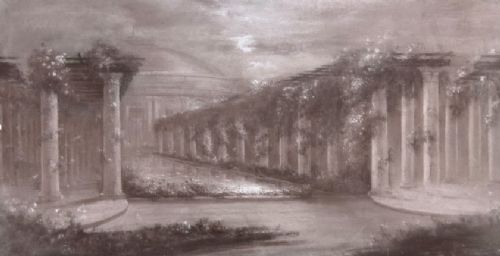
Several drawings preserve the quiet atmosphere of winter gardens and distant seaside towns, capturing an unexpected coastal calm beneath classical academic rigour.
Henry Arthur Roberts·Giovanni Ottaviani·Pierre Paul Prud'hon·Pablo Picasso
The Monochrome Classical Drawing Glossary
- Neoclassical
- A style rooted in the art and culture of ancient Greece and Rome that emphasises proportion, restraint and classical motifs. It dominates many academic drawings from the eighteenth and nineteenth centuries.
- Academic Art
- Works produced under the influence of European academies of art, typically prioritizing rigorous life drawing, historical subjects and classical realism. These pieces often serve as training submissions or formal studies.
- Wash
- A technique where ink or watercolour is diluted with water to create smooth, semi-transparent pools of tone. It is commonly layered beneath or over ink and graphite lines.
- Engraving
- A printmaking process where an image is incised into a metal plate, usually copper, to hold ink. This method produced crisp architectural plates and detailed reproductions of classical subjects.
- Charcoal
- A dry drawing medium made from slowly burned organic material that produces deep blacks and soft smudged tones. Artists utilised it for expressive sketching and large-scale life studies.
Monochrome Classical Drawing: Frequently Asked Questions
What subjects appear in these drawings?
The subjects range from academic studies of the male nude to classical architectural plates depicting temples and orders. Portraits of historical figures and allegorical scenes also feature among the works.
Many pieces reflect rigorous training environments, capturing mythological deities, historical narratives and grand tour monuments with careful attention to proportion.
How do I care for works on paper?
Keep drawings out of direct sunlight to prevent fading of graphite, ink and paper supports over time. Framing with UV-protective glass and acid-free mounting helps preserve the integrity of the material.
Maintain stable humidity levels in the room where the artwork hangs to avoid warping the paper or encouraging mould growth.
How are periods told apart?
Eighteenth-century and Georgian pieces often display specific watermark evidence, distinct paper ageing and classical academic handling tied to Enlightenment ideals. Nineteenth-century examples frequently lean toward heightened realism, academic submission formats or romantic influences.
Later works adopt twentieth-century modernist framing, alternative paper treatments or post-academic stylistic approaches that break from strict traditional proportions.
Where were these academic pieces created?
Many originated in formal European academies and schools of art where students practiced drawing from antique casts and live models. France and Italy produced a large proportion of these academic submissions and architectural plates.
Artists trained through structured systems that required rigorous practice in proportion, anatomy and perspective before producing finished compositions.