




Cream Paper Pencil Sketch
Cream paper pencil sketch works bring intimate line and tone into a room, offering direct contact with an artist's hand.
Cream Paper Pencil Sketch
When you search for cream paper pencil sketch pieces, you encounter works spanning from the Georgian period through the nineteenth century and into the nineteen-twenties. These drawings capture portraits, academic studies, equestrian subjects, and stage figures on tinted supports.
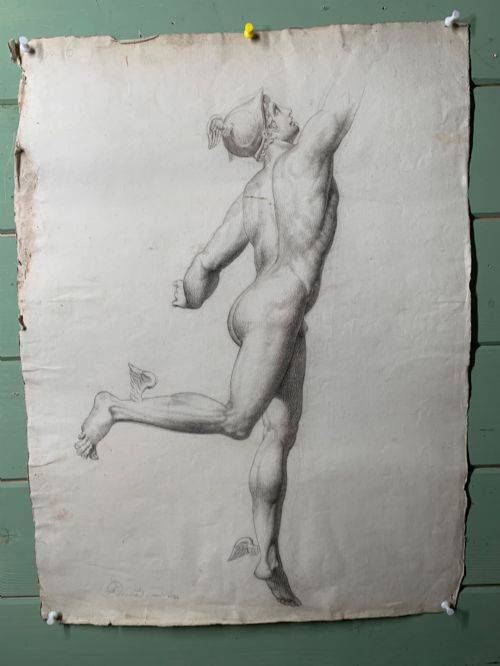
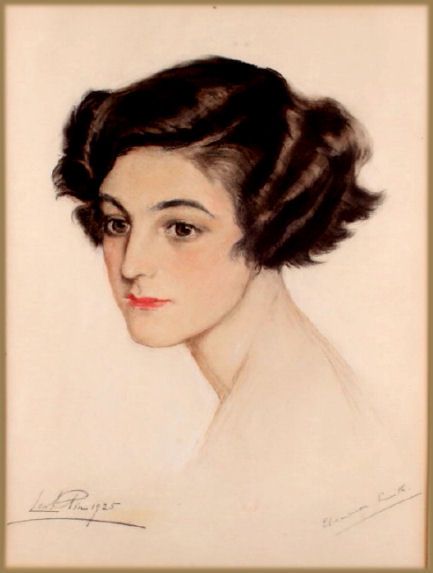
The selection ranges from academic studies of the god Hermes to portraits of notable figures like Lady Florence Caroline Dixie and theatrical personalities such as Pamela Carme. Framed artwork forms the primary format for display on the wall.
The style shifts from nineteenth-century academic realism and traditional equestrian work to early twentieth-century modern British approaches. Each piece records a direct observational moment captured by artists working in pencil, graphite, and mixed media.
Materials and execution
Artists executed these works on cream paper substrates, frequently combining pencil and graphite with touches of watercolour, gouache, chalk, or charcoal. The warm tone of the paper provides a natural mid-tone that allows highlights and dark lines to gain depth.
Framing under glass protects the delicate paper and fragile charcoal or pencil markings from atmospheric damage and handling. Wooden frames often enclose these drawings, maintaining the traditional presentation of works on paper.
Cream Paper Pencil Sketch Retail Price Guide 2026
Typical asking prices for cream paper pencil sketch among the pieces listed under this phrase on Sellingantiques today, from the lower quarter to the upper quarter. They describe what is for sale here now, not the wider market.
The selection includes academic figure studies alongside portraits of historical writers, war correspondents, and stage performers.
Distinctions in quality
The strength of the draftsmanship and the confidence of the line work determine the standing of each drawing. Masterful control of proportion, expression, and shadow separates accomplished academic and portrait studies from routine exercises.
Provenance and attribution to documented artists such as Dame Laura Knight, Theobald Chartran, Henry Edridge, or Leo Klin elevate the historical importance of a piece. The condition of the cream paper and the preservation of the delicate media also influence the overall character of the work.
Dame Laura Knight·Theobald Chartran·Leo Klin·Henry Edridge
The Cream Paper Pencil Sketch Glossary
- Graphite
- A form of carbon used in pencils to create marks ranging from hard, light greys to soft, deep blacks. It forms the primary medium for linear definition in these drawings.
- Gouache
- An opaque water-based paint used alongside pencil to add solid highlights and colour passages. It provides dense coverage that contrasts with the translucent quality of watercolour.
- Academic study
- A rigorous drawing exercise executed to master human anatomy or proportion through direct observation. These works reflect the formal training methods of nineteenth-century art academies.
- Portrait
- A painting, photograph, or other artistic representation of a person in which the face and its expression predominate. These pieces capture likenesses of historical sitters and theatrical figures.
- Provenance
- The chronology of the ownership, custody, or location of a historical artwork. Documented attribution connects specific drawings to named hands.
Cream Paper Pencil Sketch: Frequently Asked Questions
What is a cream paper pencil sketch?
A cream paper pencil sketch is a drawing executed on tinted paper support using graphite, pencil, or complementary media such as chalk and watercolour.
These works range from rapid compositional studies to finished portraits produced across various historical periods.
How do I care for framed drawings?
Framed drawings on paper require placement away from direct sunlight to prevent fading of the paper tone and the drawing media.
Maintaining stable indoor humidity protects both the paper support and the wooden framing elements from warping or deterioration.
What subjects appear in these sketches?
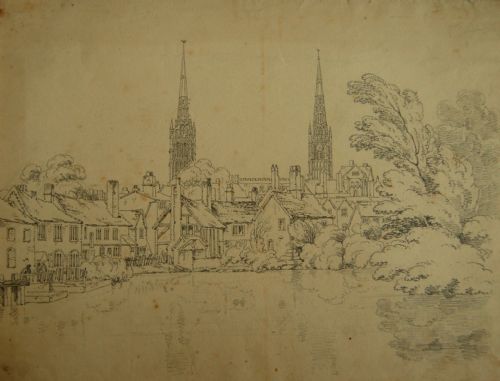
The subjects include academic figure studies, equestrian scenes, architectural views, and portraits of historical and theatrical personalities.
Artists recorded these forms through direct observation in studio settings and during travels.
How are periods identified in drawings?
Period attribution relies on costume details, sitter identification, signature dates, and the stylistic conventions of the handling.
Stylistic markers range from neoclassical academic precision to modern British portraiture conventions.