




Academic Nude Study
An academic nude study captures the disciplined human form drawn or painted from life, offering a direct window into classical training and artistic draughtsmanship.
Academic Nude Study
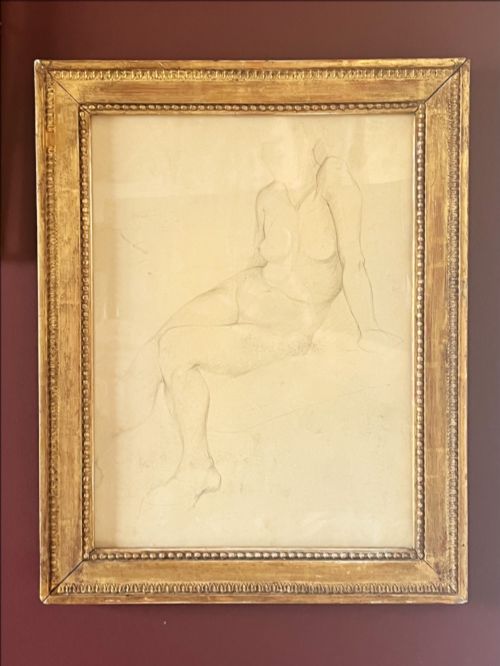
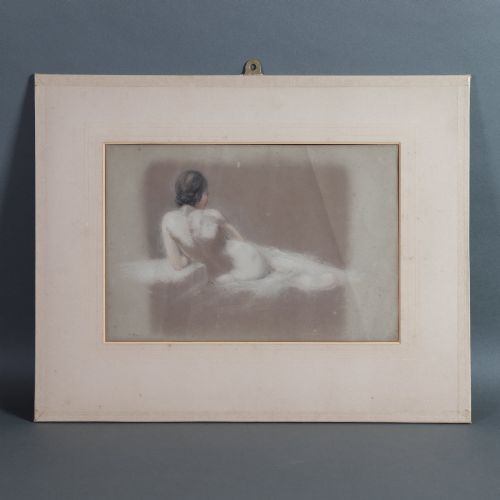
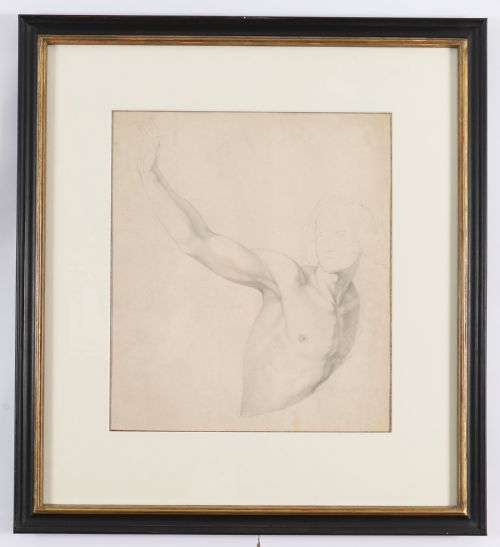
An academic nude study forms the backbone of traditional art education, recording the human figure drawn or painted from life within a structured school or studio setting. These pieces emerge across varied periods, from Georgian examples and the nineteenth century through to post-war British realism.
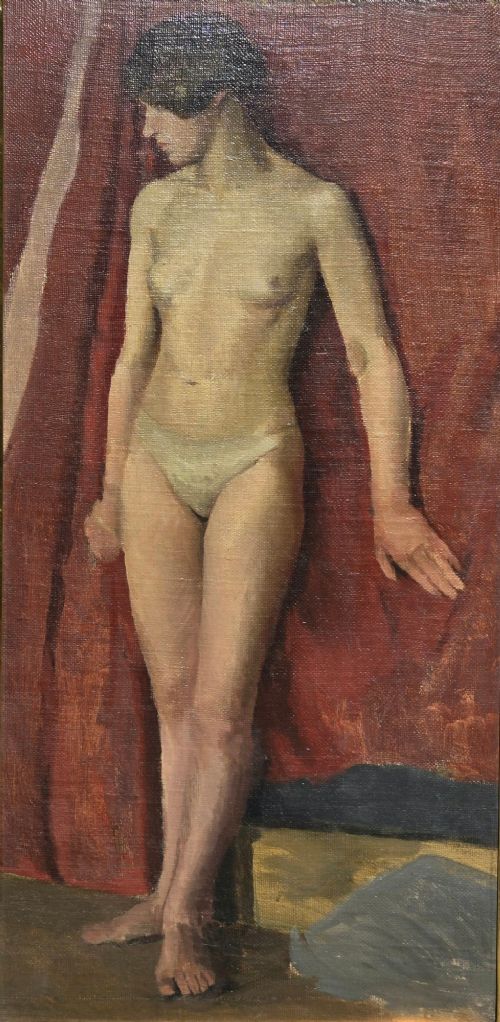
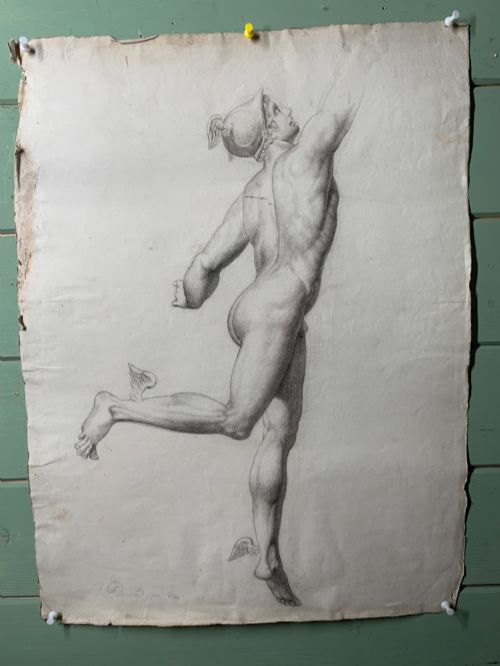
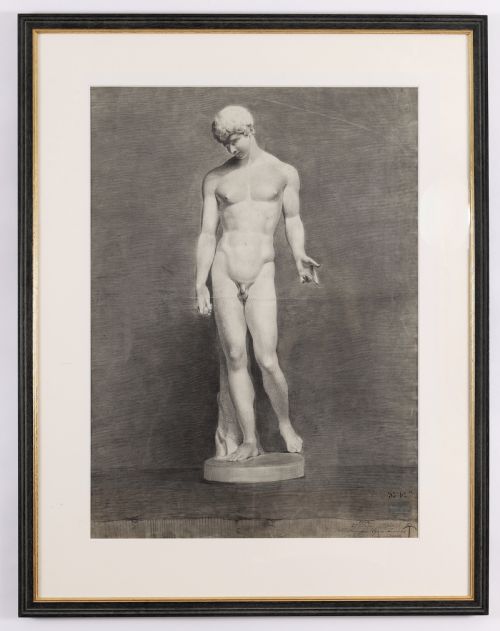
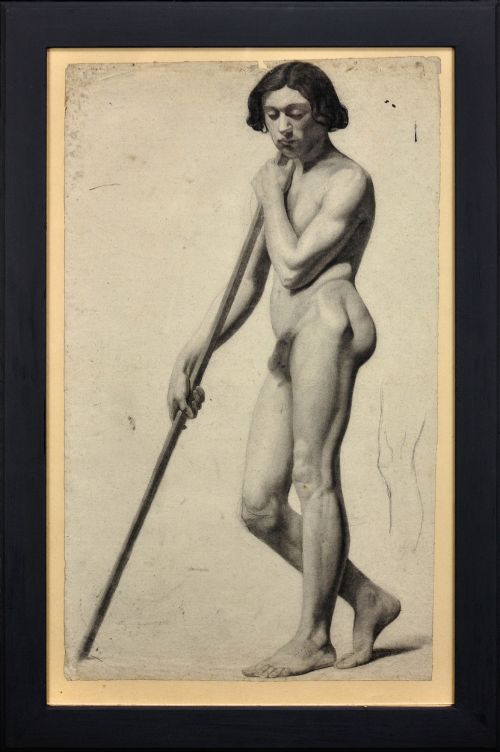
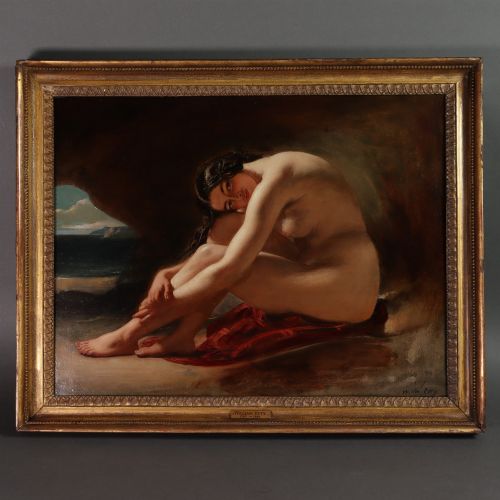
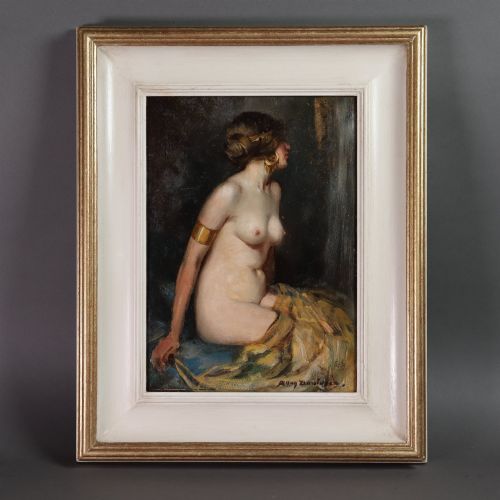
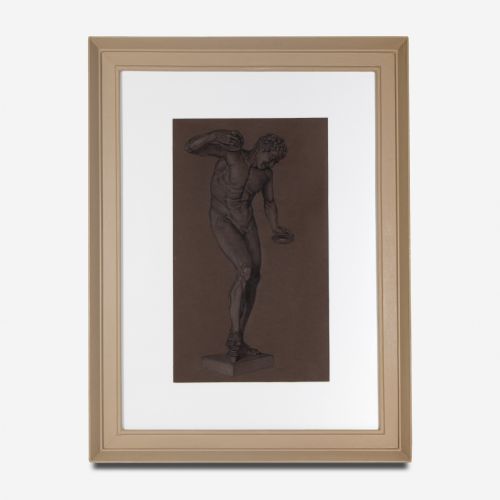
The selections span framed drawings, oil paintings on canvas or panel, and mixed media works alongside bronze sculptures of male and female subjects. Subjects range from mythological figures like the God Hermes and the Capitoline Antinous to anonymous life models captured in graphite, charcoal, red chalk, or oil.
Mannerist interpretations after classical masters sit alongside direct academy submissions such as Grand Prix de Rome entries. Collectors encounter both finished studio paintings and rapid preparatory sketches that reveal the inner mechanics of academic training.
Materials and execution
Artists deployed a strict palette of dry and wet media on paper, canvas, panel, and glass, utilising charcoal, graphite, chalk, and oil to build form and volume. Red chalk drawings on paper, often worked on both recto and verso, allow draughtsmen to model musculature through hatching and tonal gradation.
Graphite and charcoal lend themselves to precise life studies where light falls across a standing male or seated female model. Oil on canvas or board offers richer chromatic depth, seen in works rendered en grisaille or within full colour palettes set inside period gilt wood frames.
The listings here encompass works spanning from the Georgian era through the 1960s, executed in charcoal, graphite, chalk, and oil.
Judging quality and execution
Quality rests upon the sureness of the line, the accuracy of anatomical proportion, and the handling of light and shadow across the musculature. A superior academic life study demonstrates absolute command of perspective and form, whereas lesser examples reveal hesitation in the joints or incorrect bodily scaling.
The strength of the provenance and the clarity of the attribution elevate certain pieces, particularly those linked to specific academies, named artists, or recorded submissions. Material preservation also dictates value, with well-preserved paper drawings retaining sharp chalk or charcoal contrasts free from heavy acid toning.
William Etty·Winifred Rymer Standing·Augustus John·Henry Arthur Roberts·Alexandre-Louis Martin·Allan Douglas Davidson·James Clark·William Edward Frost·Winifred Eugene Ballard·L Ducourant
The Academic Nude Study Glossary
- Academic Realism
- A style of painting and drawing produced under the influence of European academies of art, marked by strict adherence to classical standards and anatomical precision.
- Recto and Verso
- Terms describing the front and the back respectively of a sheet of paper or panel, where drawings often appear on both sides in older academic practice.
- En Grisaille
- A painting executed entirely in shades of grey or neutral greyish-brown, frequently used to mimic sculpture or study tonal values.
- Life Study
- A work created from a live human model, serving as a core exercise in art schools to master human anatomy.
- Red Chalk
- A brownish-red haematite material used by artists for sketching and life drawings, allowing soft gradations of tone.
Academic Nude Study: Frequently Asked Questions
What is an academic nude study?
An academic nude study is a drawing, painting, or sculpture created by an artist or student to learn human anatomy and form through direct observation of a live model.
These pieces reflect the rigorous training methods enforced by European art academies from the eighteenth century onwards.
How were these drawings used?
Artists produced these studies inside art schools, ateliers, and private studios as preparatory exercises for larger historical or mythological compositions.
Mastering the nude form was considered the highest test of a draughtsman's skill before tackling complex multi-figure historical paintings.
How do I date an academic study?
Dating relies upon the paper watermark, the style of the mounting, the medium utilised, and any inscribed dates or signatures left by the artist or academy.
Stylistic markers, such as the transition from Neoclassical discipline to later Expressionist or Post-War freedom, also help narrow the period.
How should I frame and display them?
Works on paper require conservation-grade mounting under glass with UV protection to prevent charcoal, chalk, or graphite from degrading under light exposure.
Displaying them away from direct sunlight preserves the integrity of nineteenth-century papers and historic gilt wood frames.