


Monochrome Art Studies
Monochrome art studies are single-colour works on paper that capture form and light with direct economy.
Monochrome Art Studies
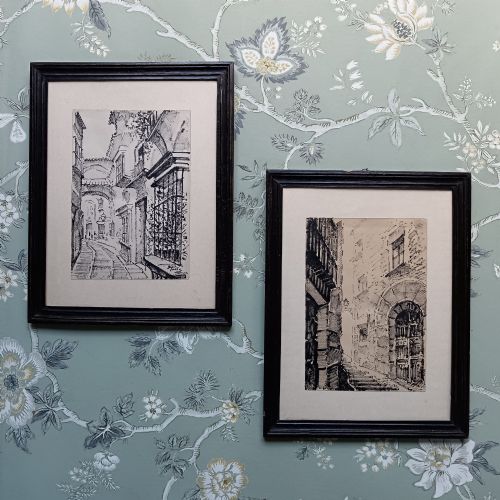
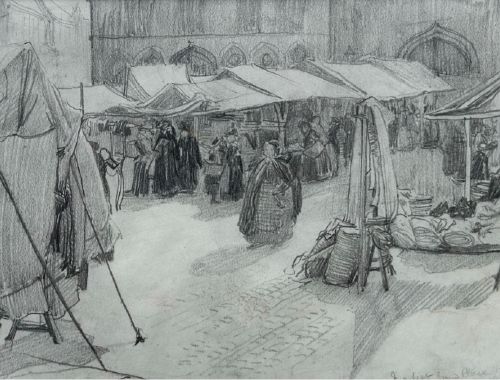
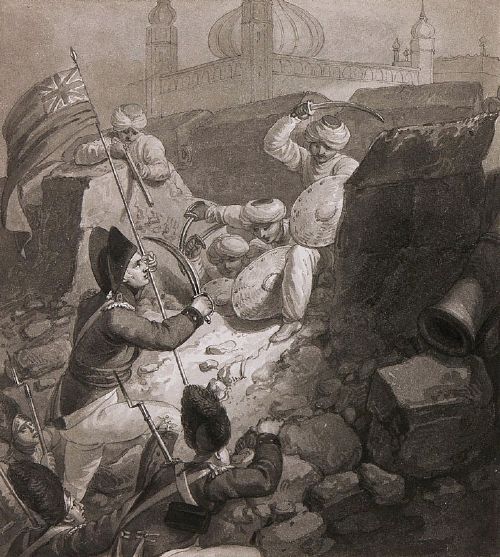
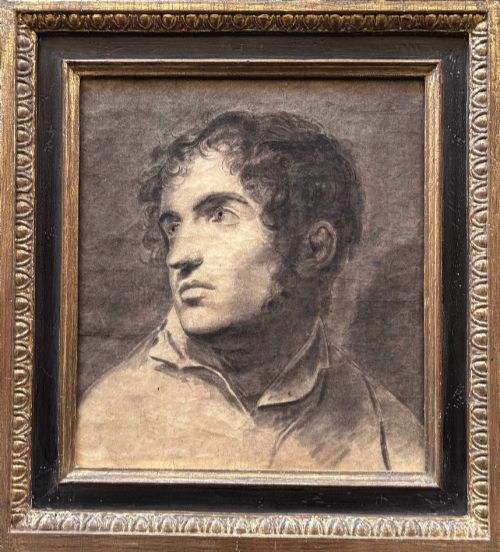
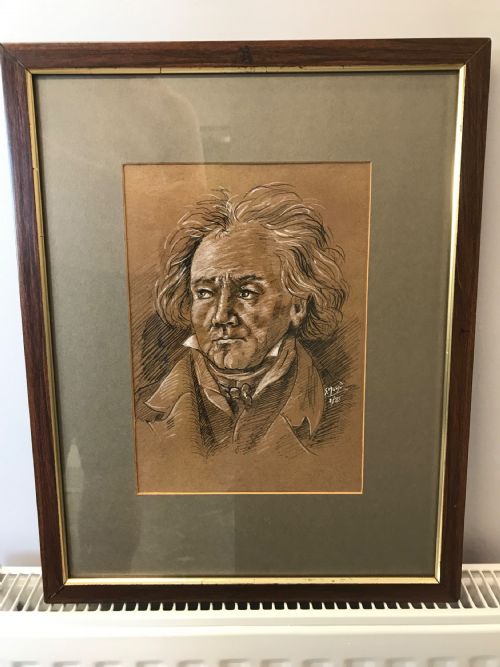
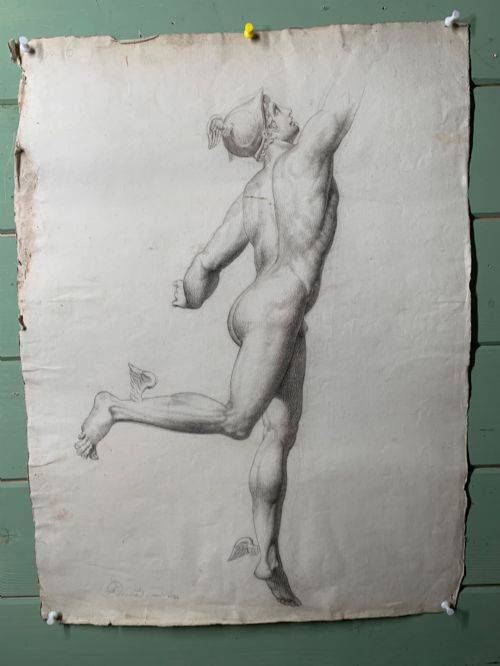
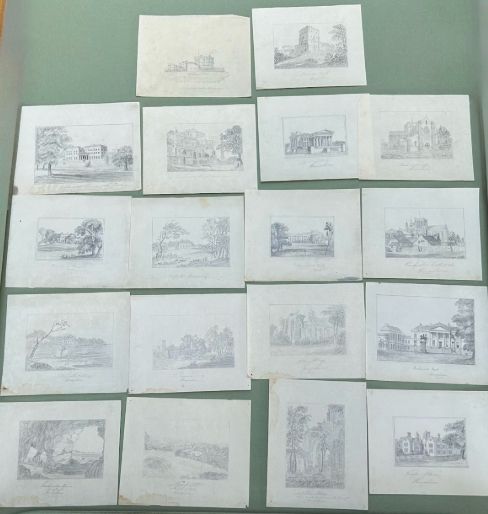
When searching for monochrome art studies, collectors encounter works executed in graphite, charcoal, ink, or wash without relying on a full palette of colour. These pieces range from rapid preparatory sketches to finished academic life drawings and architectural renderings.
The selections span multiple centuries, touching upon Georgian, Victorian, and mid-century modernist aesthetics. Buyers will frequently find framed drawings and paper works that reflect rigorous training in proportion, shadow, and line.
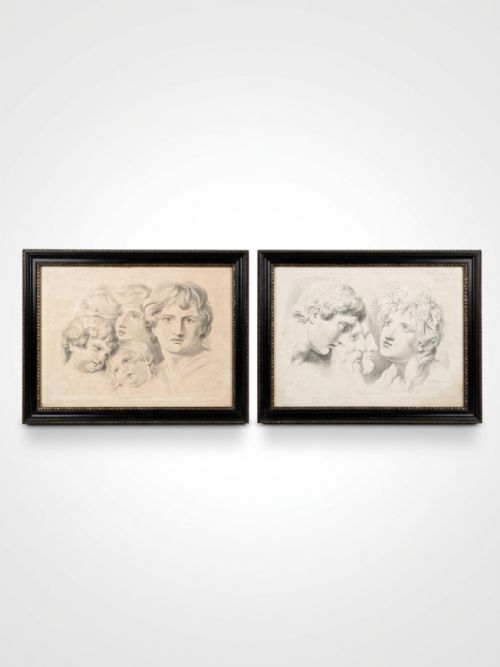
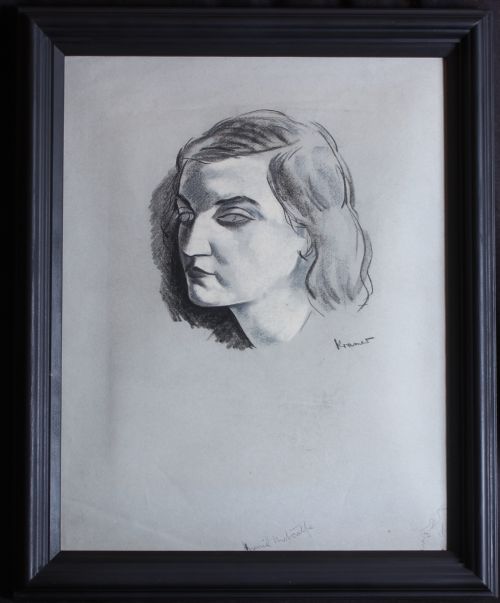
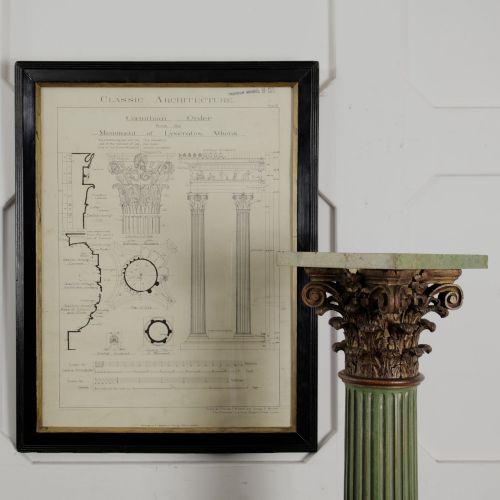
Subjects vary from classical figures and architectural plates to detailed animal studies and portraiture. Each piece offers insight into the foundational draughtsmanship behind historical and modern creative practice.
How they were made
Artists relied primarily on paper supports, applying dry media such as graphite and charcoal alongside wet mediums like pen and ink, wash, and gouache. These materials allowed for immediate registration of tone, enabling makers to build volume through hatching, stippling, and tonal blending.
Many of these works originated as academic exercises, Grand Tour records, or studio preparations where precision of line outweighed decorative colour. The handling of the medium directly reveals the draughtsman's hand, from soft charcoal smudges to crisp architectural pen strokes.
Monochrome Art Studies Retail Price Guide 2026
Typical asking prices for monochrome art studies among the pieces listed under this phrase on Sellingantiques today, from the lower quarter to the upper quarter. They describe what is for sale here now, not the wider market.
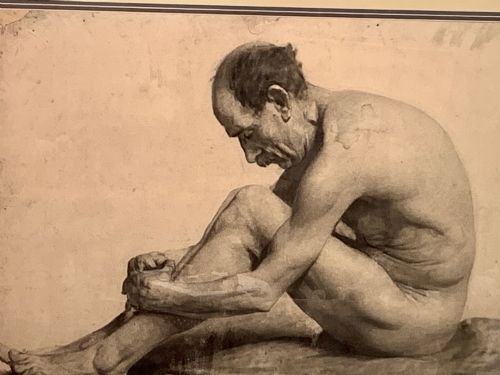
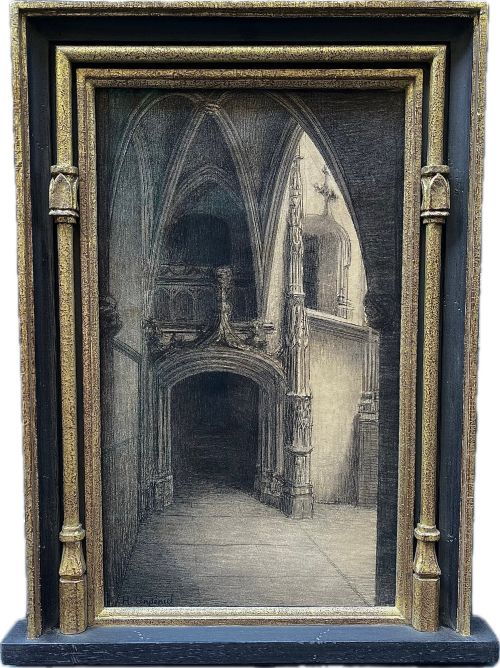
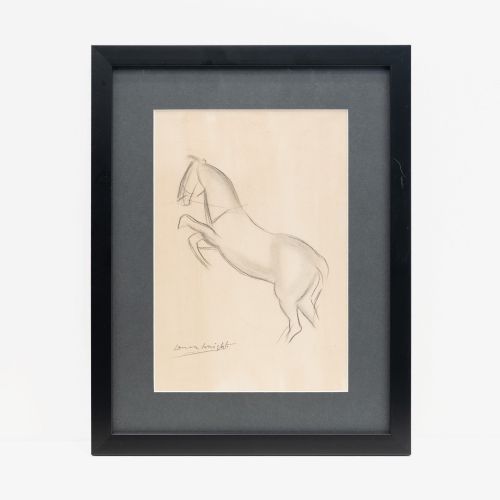
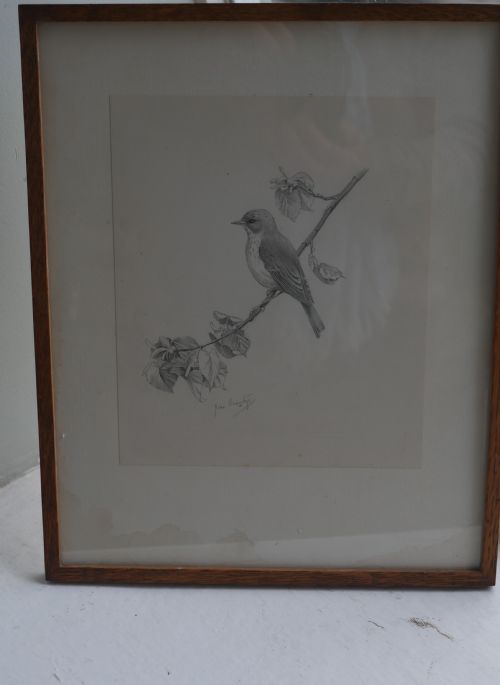
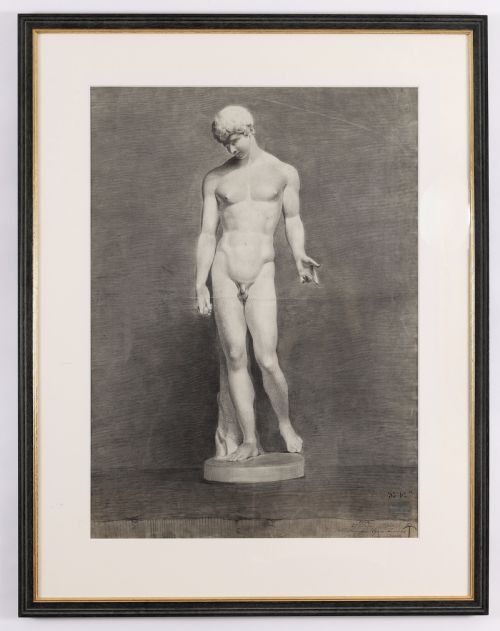
Among the historical subjects, a spotted flycatcher and a galloping horse share desk space with serious academic nudes and Gothic church studies.
What varies in quality
The distinction between ordinary and exceptional works rests upon the sureness of the line and the confidence of tonal transitions. Superior pieces demonstrate an inherent understanding of anatomy, light, and perspective that brings life to a limited palette.
Provenance and attribution also elevate certain items, particularly when an annotated sheet links directly to a documented artist, school, or recognised architectural project. The preservation of the paper and the integrity of the framing further influence the standing of any individual piece.
Jacob Kramer·Henry Percy Huggill·William Marshall Craig·Henri Charles Angéniol·Alexandre Louis Martin·Henry Arthur Roberts·Sir Edwin Landseer·Pierre Paul Prud'hon·David Cox·Winifred Eugene Ballard·John Hoppner·Sir Francis Leggatt Chantrey
The Monochrome Art Studies Glossary
- En grisaille
- Painting executed entirely in monochrome or greyish tints, often used to emulate sculpture or serve as an underpainting. This technique emphasises tonal gradation over chromatic variety.
- Academic life study
- A drawing or painting of a human model produced within a formal art school setting. These works prioritize anatomical accuracy and mastery of form.
- Wash
- A thin layer of translucent ink or watercolour applied to paper to create smooth background tones or shadowed areas. It is frequently combined with pen and ink outlines.
- Grand Tour
- A traditional extended journey through Europe undertaken by upper-class young men in the eighteenth and nineteenth centuries. Souvenirs often included architectural drawings and classical prints.
- Charcoal
- A dry drawing medium made from organic carbonaceous material that produces deep blacks and soft smudged shadows. It allows for rapid adjustments and expressive tonal blocking.
Monochrome Art Studies: Frequently Asked Questions
What is a monochrome art study?
A monochrome art study is a work created in a single colour or tonal range, typically on paper using media like charcoal, ink, or graphite.
These pieces focus entirely on line, shadow, and form without the distraction of full colour.
How were these drawings used historically?
Artists produced these works as preparatory sketches for larger paintings, academic practice sessions, or records of architectural and classical subjects.
They served as functional tools for training and composition rather than purely decorative exhibition pieces.
How should I frame and display works on paper?
Works on paper require conservation-grade framing with UV-protective glass and acid-free mounts to prevent fading and paper degradation.
Keep them away from direct sunlight and damp environments to preserve the integrity of the charcoal, ink, or graphite.
How can I tell the period of a drawing?
Dating relies on paper watermarks, the style of handwriting or signatures, and stylistic markers such as neoclassical proportions or modernist abstraction.
Subject matter, framing remnants, and historical annotations also offer clues to the era of creation.