



Modular Lawyers Cabinet
Modular lawyers cabinet designs offer flexible stacking storage, bringing modular practicality and classic glazed display to a study or office.
Modular Lawyers Cabinet
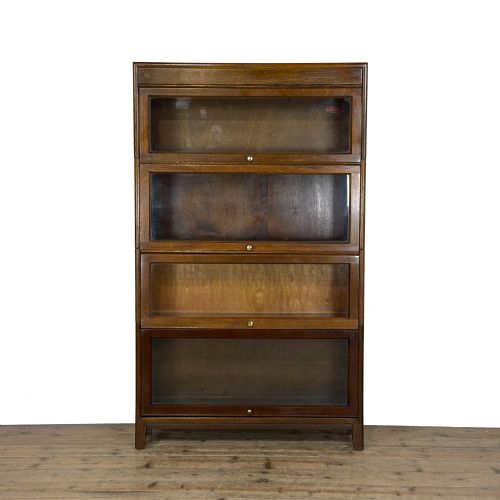
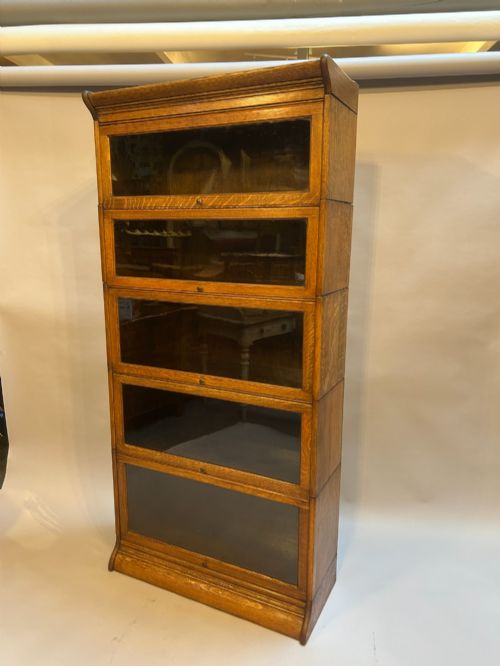
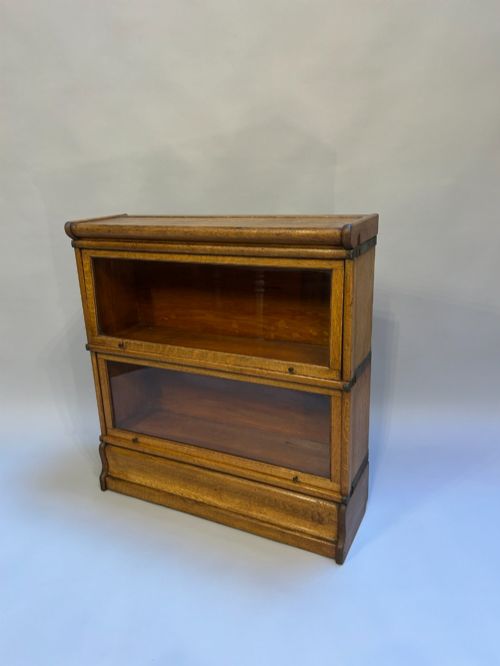
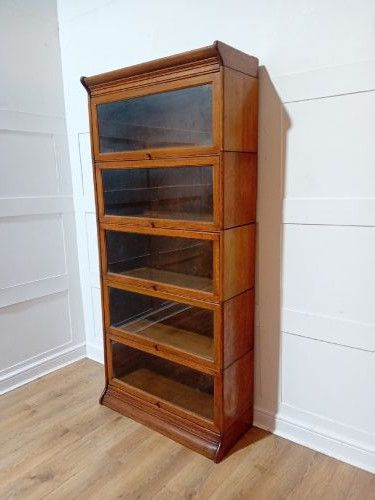
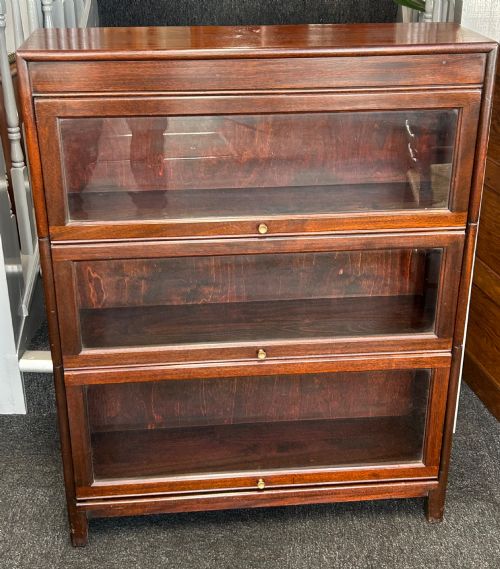
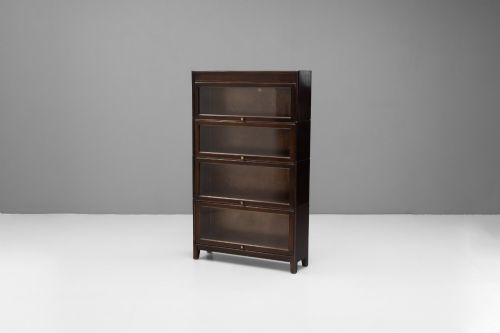
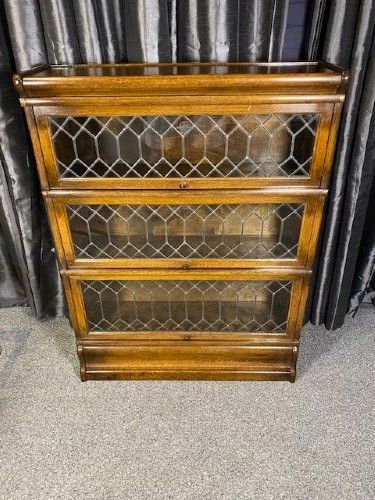
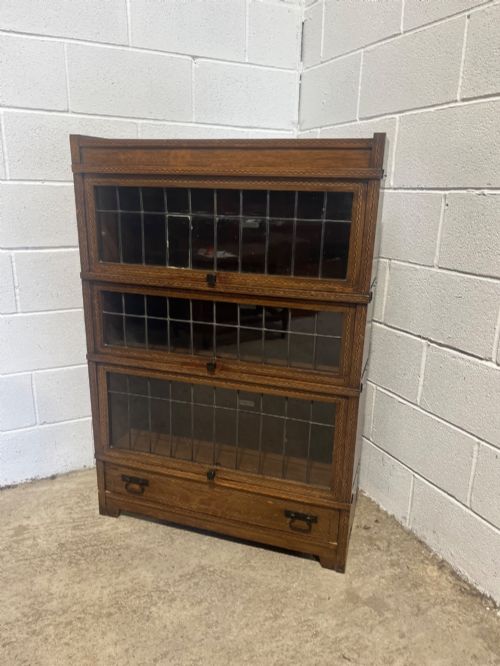
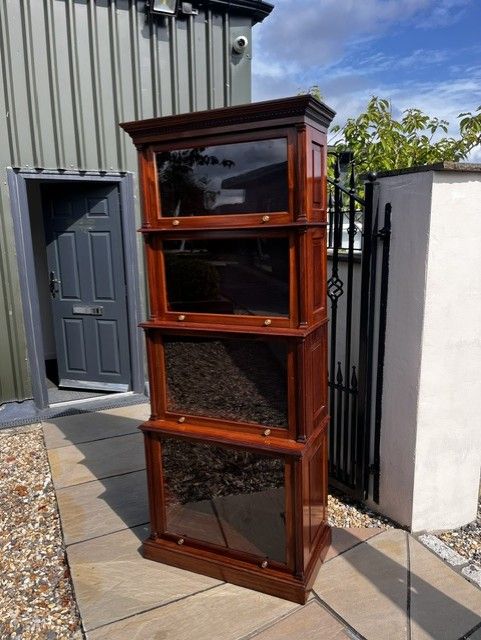
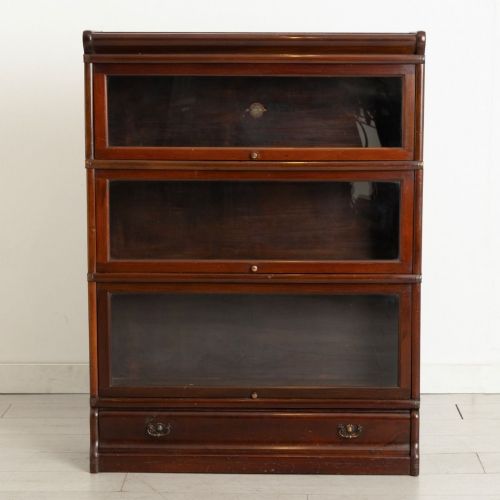
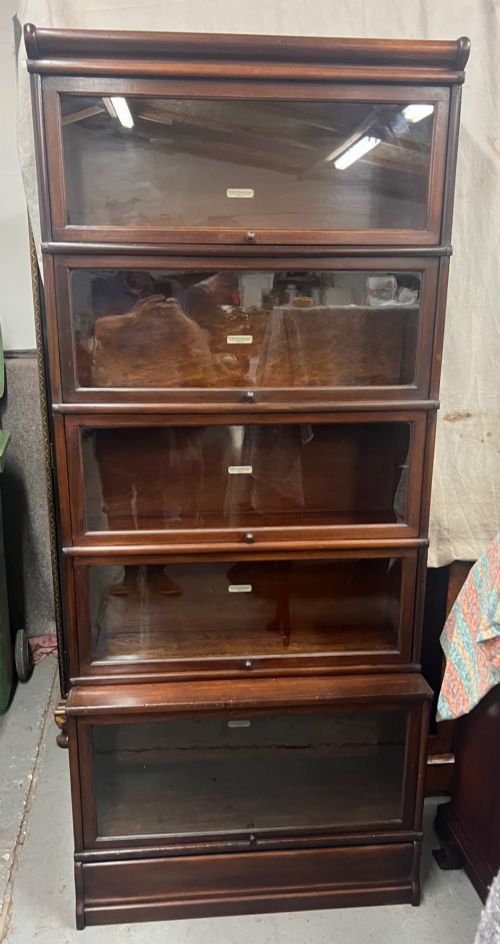
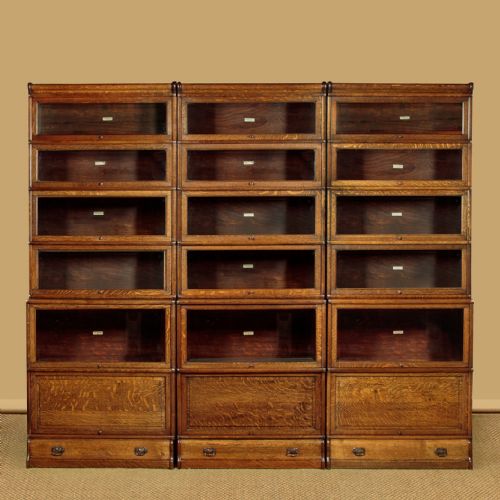
A modular lawyers cabinet, frequently designated as a sectional bookcase or barrister bookcase, consists of individual stacking tiers designed to house growing collections of books and papers. These modular units derive from early twentieth century office furniture production, emerging primarily across the Edwardian era and the 1910s and 1920s.
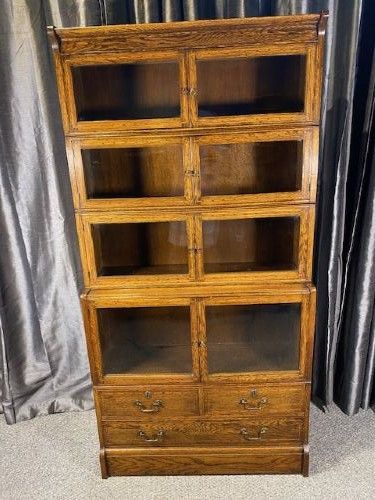
The dominant forms on this page include stacking office bookcases and sectional barrister bookcases, often appearing in variations by makers such as Globe Wernicke, Gunn Furniture, Macey, and Warwick. These pieces utilise independent horizontal tiers that sit one upon another beneath a cornice top and above a matching base plinth.
How they were made
Cabinet makers constructed these modular sections using solid oak or mahogany timbers, sometimes applying decorative inlay work to the exterior surfaces. The internal construction relies on interlocking wooden carcases designed to separate easily for transport and reconfiguration.
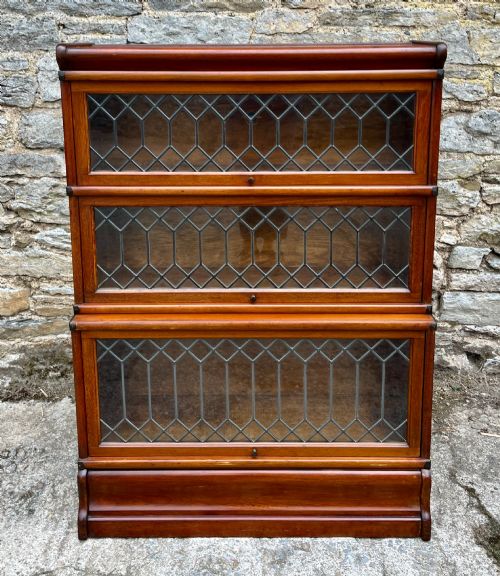
Doors utilise glazed panels featuring clear glass or leaded glass, suspended on metal hardware mechanisms that allow them to lift and slide smoothly into the cabinet recess. Brass handles and knobs provide the operational hardware for opening each individual tier.
Modular Lawyers Cabinet Retail Price Guide 2026
Typical asking prices for modular lawyers cabinet among the pieces listed under this phrase on Sellingantiques today, from the lower quarter to the upper quarter. They describe what is for sale here now, not the wider market.
Early lawyers appreciated these cabinets because the glass doors slammed shut automatically if an urgent client burst in unexpectedly.
What varies in quality
Quality differences emerge through the selection of timber veneers versus solid mahogany or oak, alongside the precision of the joinery in the stacking mechanism. Superior examples maintain smooth operation across the up and over door tracks without binding.
Makers impart distinct character through the weight of the brass fittings and the clarity of the leaded glass panes. The presence of maker stamps or labels from firms such as Globe Wernicke further distinguishes standard office utility pieces from finer production examples.
Gunn Furniture·Macey·Globe Wernicke·Warwick
The Modular Lawyers Cabinet Glossary
- Sectional bookcase
- A piece of furniture built from separate, interchangeable horizontal tiers that stack together. This modular design allows the cabinet to expand vertically as a book collection grows.
- Up and over door
- A glazed cabinet door fitted with an internal scissor mechanism that lifts upwards and slides into the recess above the books. This mechanism allows the door to remain open while accessing the shelf.
- Cornice top
- The moulded decorative projection that crowns the uppermost tier of the cabinet. It finishes the architectural silhouette of the stacking bookcase.
- Base plinth
- The sturdy bottom foundation platform upon which the lower tier of the cabinet rests. It elevates the modular sections slightly off the floor.
- Leaded glass
- Small panes of glass joined together by narrow strips of lead came within the door frame. This decorative technique appears on several Edwardian Arts and Crafts variations.
Modular Lawyers Cabinet: Frequently Asked Questions
How do sectional cabinets work?
Each tier operates as an independent wooden box with its own glass door, resting unattached on the section below it.
This loose-stacking design allows owners to separate the tiers easily when moving or reconfiguring the cabinet height.
Are these cabinets purely for offices?
While originally designed for legal offices and studies to keep reference volumes dust-free, they suit domestic living spaces equally well.
Today they house everything from paperbacks to collections of glassware and ceramics.
How do I date a stacking bookcase?
Dating relies on identifying stylistic markers, timber choices, and manufacturer stamps typical of the Edwardian period and the 1910s and 1920s.
Oak predominates in the earlier Edwardian pieces, while mahogany becomes prominent in the subsequent decades.
Can I add more tiers later?
Adding extra sections depends entirely on finding matching dimensions, timber species, and door hardware from the same period manufacturer.
Because production standards varied between makers like Globe Wernicke and regional workshops, interchangeability is not guaranteed.