

Modular Glass Cabinet
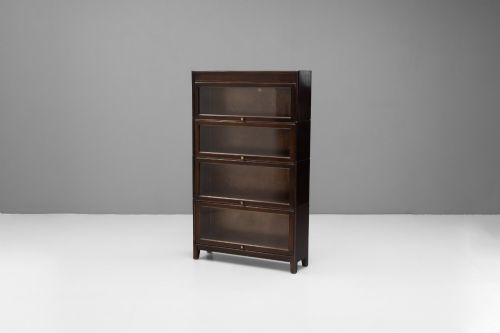
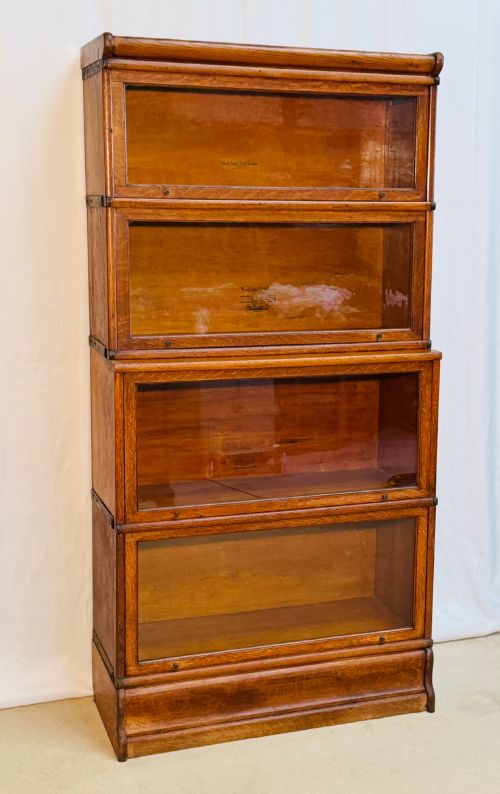
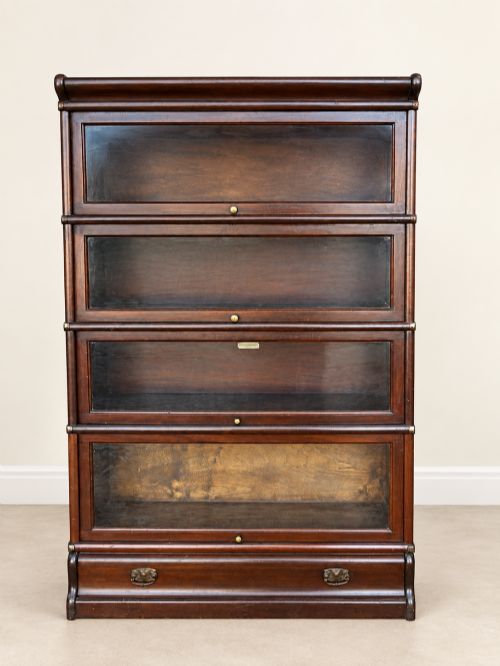
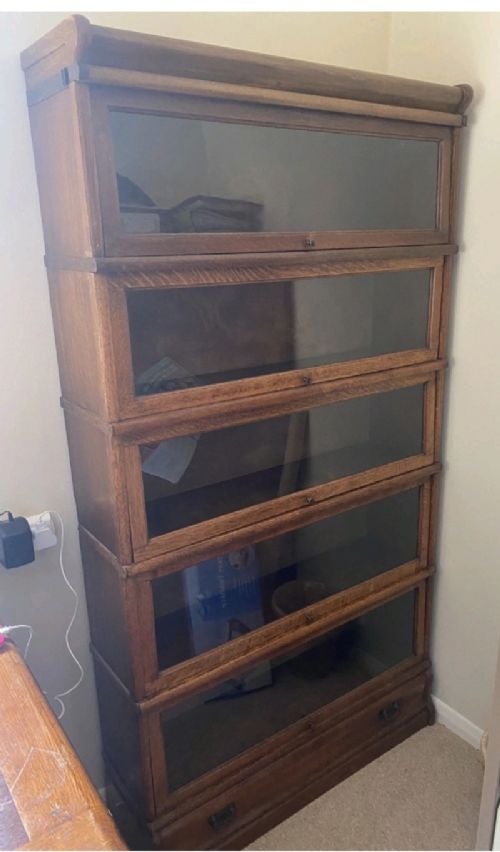
Modular glass cabinet choices bring sectional flexibility to your books, pairing timber frames with clear glazed lifting doors.
Modular Glass Cabinet
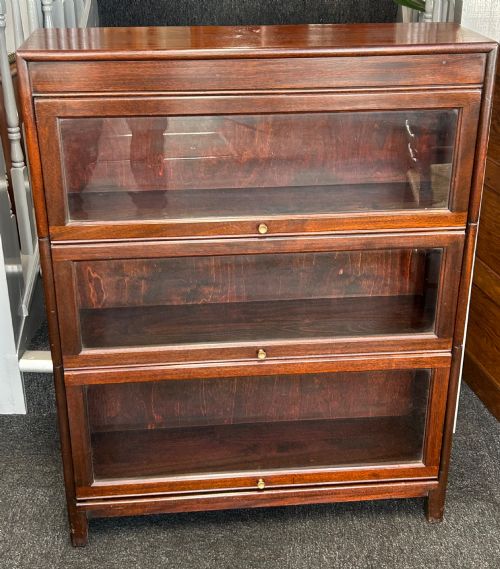
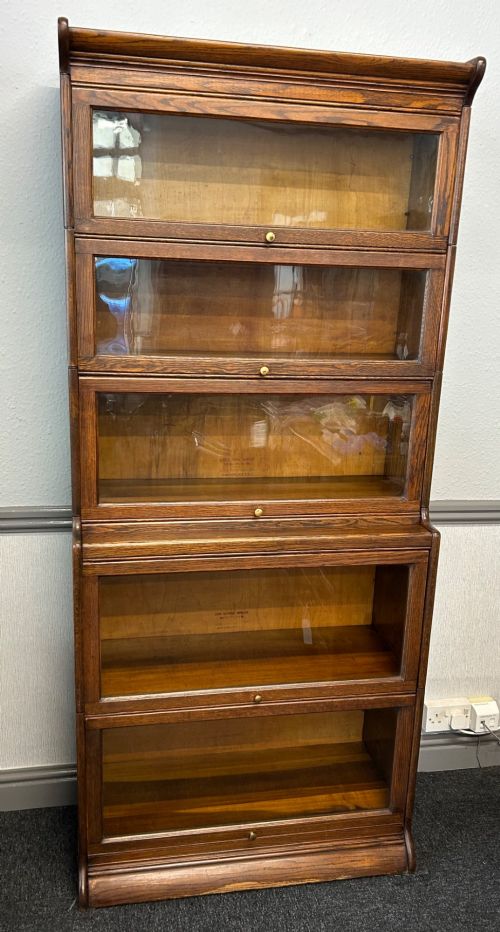
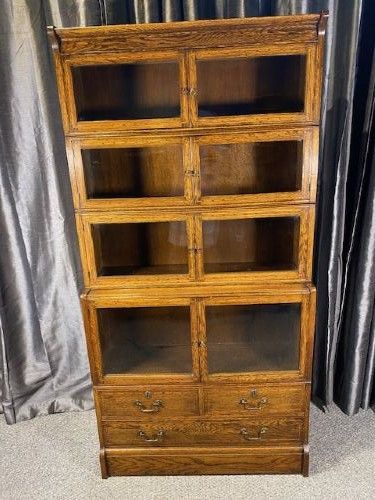
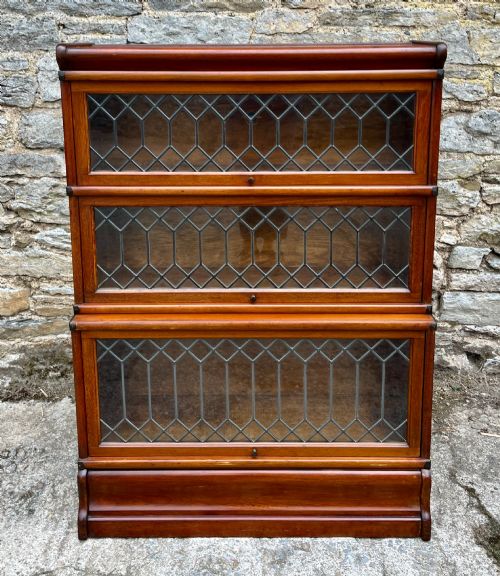
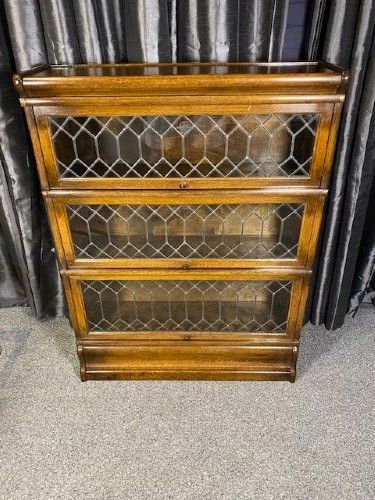
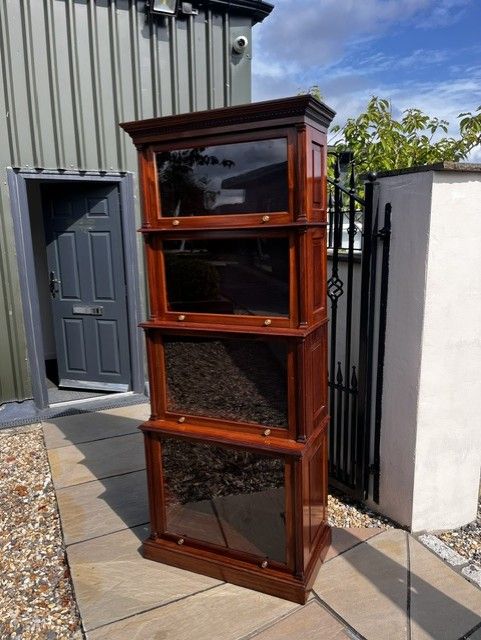
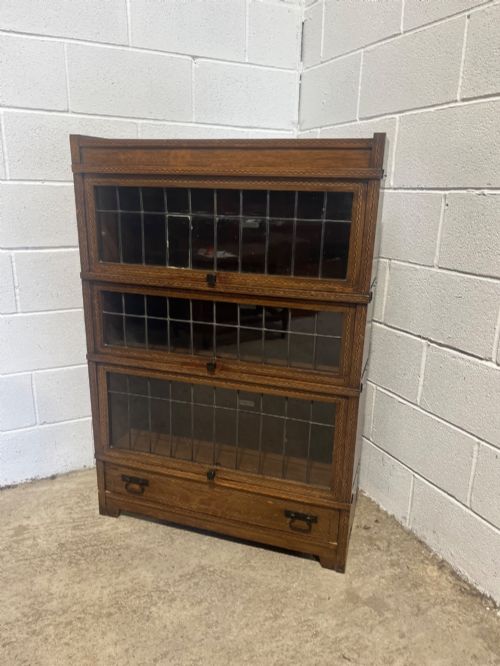
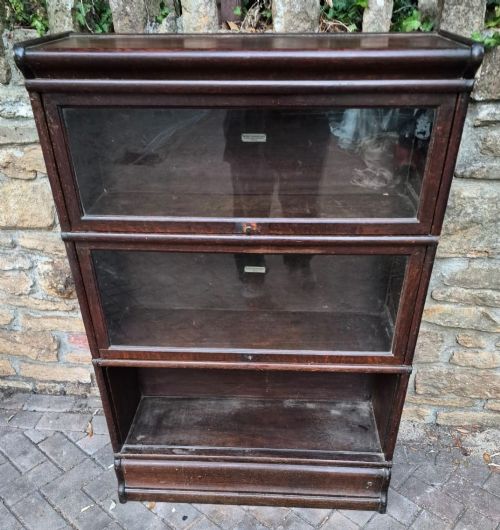
A modular glass cabinet search reveals sectional bookcases built in stacked tiers with glazed lifting doors, designed to protect individual rows of books. The pieces found here span the Edwardian period through to the mid-twentieth century, featuring designs intended for both office and home use.
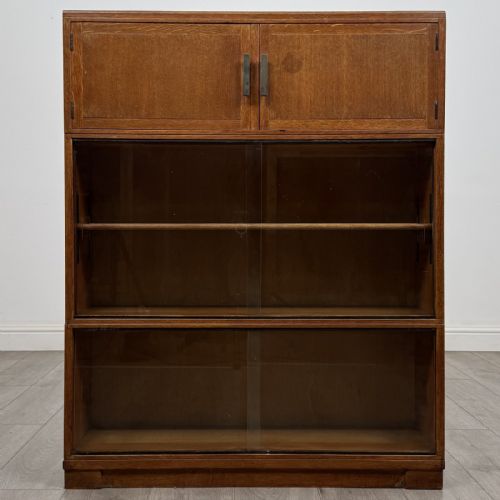
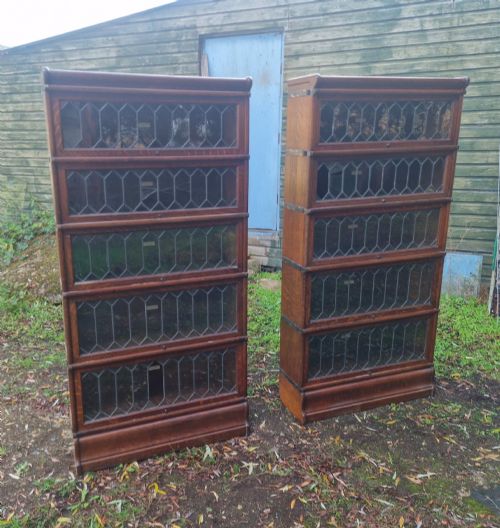
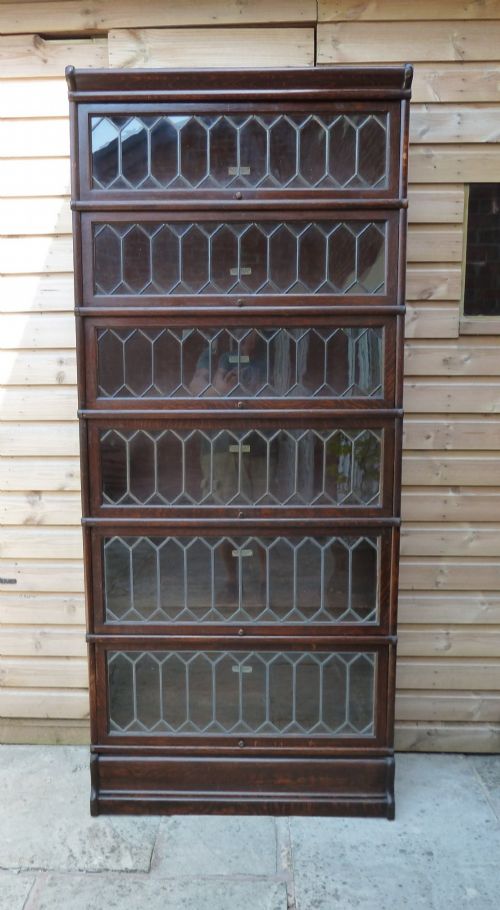
Oak and mahogany dominate the offerings, appearing across stacking bookcases with two, three, four, or five modular sections. Makers such as Globe Wernicke, Lebus, and Minty set the standard for these modular layouts, utilising clever mechanical linkages to allow smooth operation of each glazed tier.
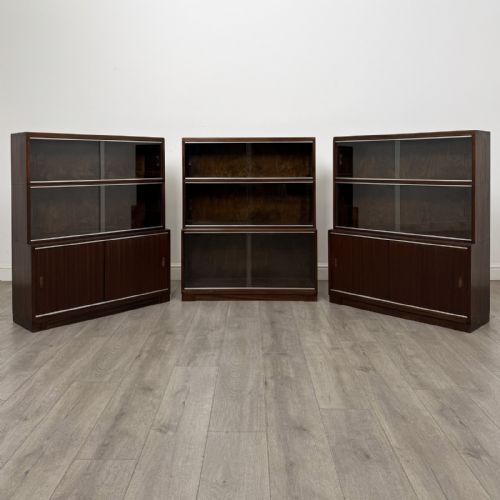
Buyers will encounter variants ranging from simple oak stacking units to inlaid Edwardian examples and later Art Deco interpretations. The structural format relies on interchangeable modular boxes that stack securely upon a base plinth and beneath a separate top cornice.
How they were made
Craftsmen built these sectional units using solid timbers like oak and mahogany, often pairing them with brass hardware and leaded glass panels. The individual tiers were constructed as distinct boxes that fit together vertically without permanent fixings.
Glazed doors utilise metal or wooden tracks and scissor arms to allow the glass panel to lift and slide smoothly back into the cabinet interior above the books.
Modular Glass Cabinet Retail Price Guide 2026
Typical asking prices for modular glass cabinet among the pieces listed under this phrase on Sellingantiques today, from the lower quarter to the upper quarter. They describe what is for sale here now, not the wider market.
Certain early twentieth-century oak cabinets retain original hardware designed to keep heavy legal texts upright while the glass door smoothly glides away.
What varies in quality
The sophistication of the timber selection and the precision of the modular mechanism separate standard office units from finer domestic pieces. Original matching cornices, bases, and uniform grain patterns across all stacked tiers indicate superior manufacture.
The quality of the glass, the integrity of the brass or metal lifting mechanisms, and the presence of maker stamps or labels heavily influence the standing of any given cabinet.
Globe Wernicke·Lebus·Minty·Gunn·Warwick
The Modular Glass Cabinet Glossary
- Barrister bookcase
- A stacking sectional bookcase designed with glass fronted doors that lift and slide inward above each shelf.
- Cornice
- The moulded projection that crowns the top of a modular cabinet.
- Leaded glass
- Small panes of glass held together by strips of lead, frequently seen on Edwardian and Arts and Crafts examples.
- Sectional
- Built from multiple independent tiers that stack vertically to form a single tall cabinet.
- Plinth
- The solid wooden base block upon which the lowest tier of a modular bookcase rests.
Modular Glass Cabinet: Frequently Asked Questions
How do sectional bookcases work?
Each tier is a separate wooden box with its own glass door that lifts and slides into the cabinet above the books. The modular sections simply stack on top of a base plinth and support a top cornice.
This clever design allows the entire cabinet to be dismantled easily for moving or reconfigured by adding or removing individual tiers as a collection grows.
What periods do these cabinets come from?
The pieces listed date primarily from the Edwardian era and the early twentieth century, with styles spanning Arts and Crafts, Art Deco, and Mid-Century Modern.
Earlier examples often feature rich oak or mahogany with detailed brass hardware, while later twentieth-century variants introduce lighter limed finishes and simplified geometric lines.
Are all tiers removable?
Yes, the defining characteristic of these stacking bookcases is that every single tier lifts off independently from the one below it. Only the base plinth and top cornice remain separate fixed elements.
This modular construction means you can rearrange the order of the sections or transport the furniture piece by piece without structural damage.
What timbers were used?
Makers relied heavily on oak and mahogany as the primary structural woods for these sectional units, often selecting solid planks to endure heavy daily use in offices and libraries.
Some variants incorporate walnut, golden oak, or limed oak, occasionally complemented by inlaid decorative details or leaded glass door panels.