



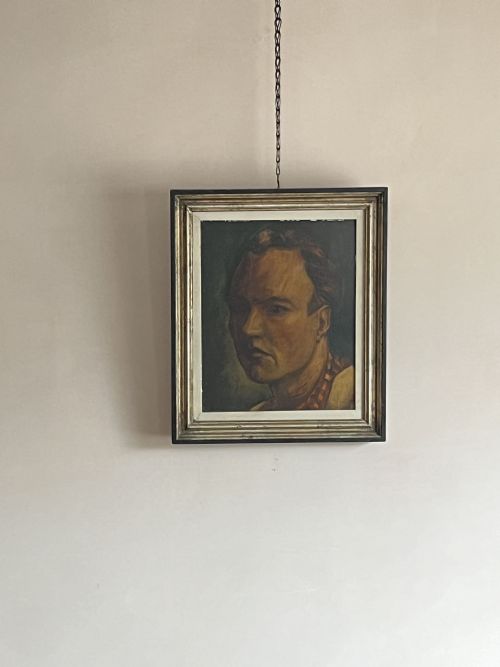


Modernist Oil Portrait Painting
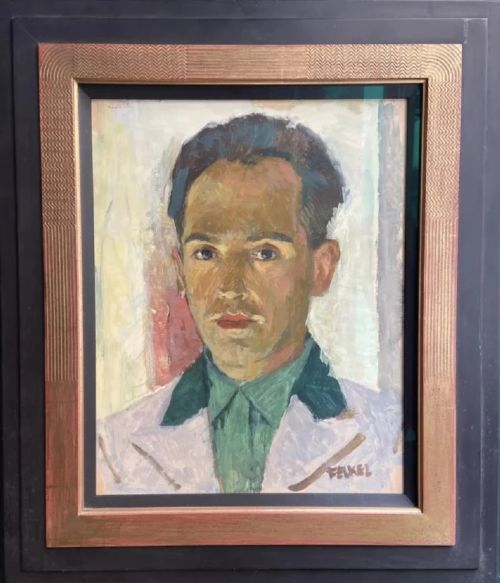
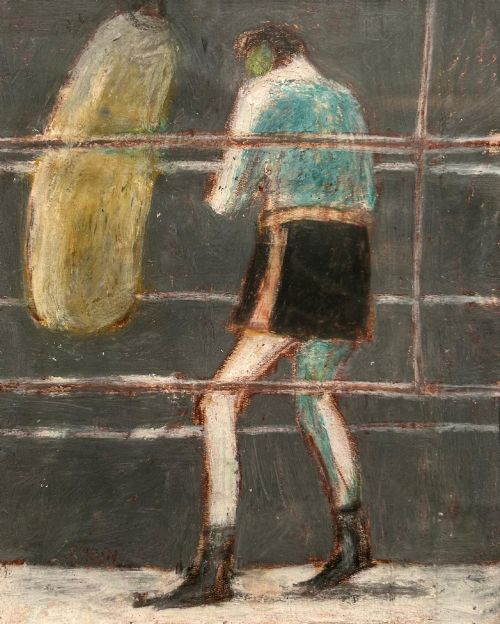
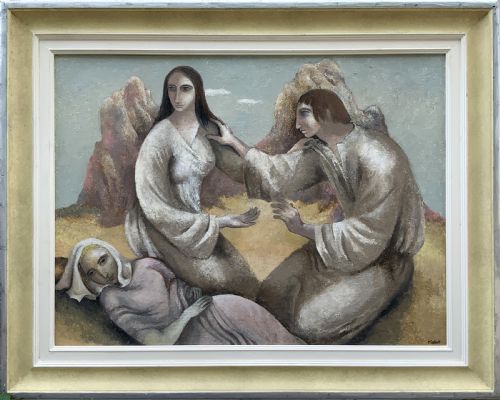
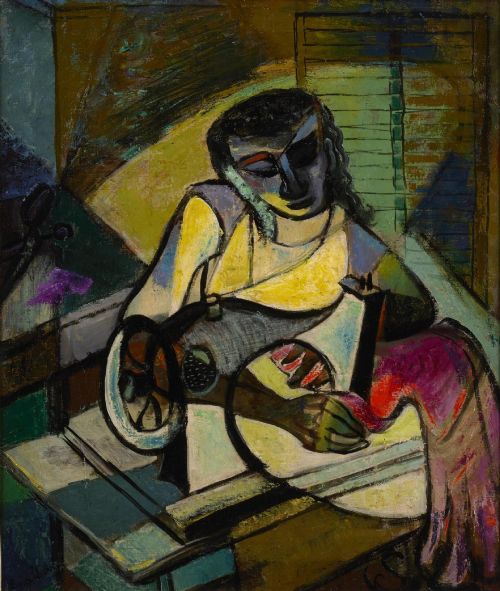
These modernist oil portrait painting examples capture the raw character of twentieth-century figures through bold brushwork and distinctive palettes.
Modernist Oil Portrait Painting
A modernist oil portrait painting presents human subjects through the lens of twentieth-century artistic movements rather than strict academic realism. When searching for this phrase, buyers encounter works spanning from the Edwardian era through the nineteen-fifties, with pieces from the nineteen-thirties forming a prominent group.
The subjects range from intimate self-portraits and studies of artists' models to figures placed in bohemian interiors or sunlit landscapes. These paintings draw on stylistic traditions such as Expressionism, Modern British art, and the Bloomsbury Group.
Compositions often arrive on canvas or board, capturing sitters with varying degrees of abstraction. The selection reflects both established names and anonymous creators working across American, French, and British artistic circles.
Materials and methods
Artists relied primarily on oil paint applied to stretched canvas or wooden board to build depth and texture. Some works incorporate impasto techniques, laying down thick layers of pigment that retain the physical gesture of the brush.
Occasional use of metallic leaf or supplementary pastel highlights specific focal points within the composition. These physical supports and pigment layers define the tangible presence of each piece.
Modernist Oil Portrait Painting Retail Price Guide 2026
Typical asking prices for modernist oil portrait painting among the pieces listed under this phrase on Sellingantiques today, from the lower quarter to the upper quarter. They describe what is for sale here now, not the wider market.
One recorded canvas captures a flapper in her negligee, preserving the carefree jazz age spirit directly on oil paint.
Distinctions in quality
Quality rests on the confidence of the handling and the artist's command of form and psychological intensity. Stronger works demonstrate a purposeful distortion or simplification that heightens the emotional impact of the sitter.
Less compelling examples can lapse into conventional arrangements where the modernist styling feels applied rather than structurally integrated. The finest pieces maintain tension across the entire picture plane, balancing colour relationships with assured draughtsmanship.
Carl Felkel·Samuel Rabin·Lena Gurr·Christine Nesbit·Raymond Moritz·Pinchus Krémègne·Yo Mayer·Yetta Kane·Bernard Meninsky
The Modernist Oil Portrait Painting Glossary
- Impasto
- Paint laid on an area of the surface in very thick layers, usually thick enough that the brush or painting-knife strokes are visible. This technique adds a tactile dimension to the painted surface.
- Bloomsbury Group
- An association of English writers, intellectuals, philosophers and artists associated with Bloomsbury in London during the first half of the twentieth century. Their visual art style is characterised by expressive brushwork and domestic interior settings.
- School of Paris
- A term denoting the diverse community of foreign and local artists who lived and worked in Paris during the decades leading up to and following the Second World War. These creators contributed significantly to the development of modern painting.
- Expressionism
- A modernist movement, initially beginning in Germany, where artists sought to express emotional experience rather than physical reality. Portraits in this mode often distort form and colour to convey inner states.
Modernist Oil Portrait Painting: Frequently Asked Questions
What defines a modernist oil portrait?
These works depart from traditional academic proportions and smooth finishes in favour of expressive mark-making and simplified forms. Artists prioritise emotional resonance and formal experimentation over strict likeness.
Subjects often inhabit bohemian interiors or landscapes, rendered through distinct twentieth-century stylistic lenses.
How should I care for these paintings?
Keep oil paintings away from direct sunlight and steady humidity levels to prevent cracking in the paint layers. Avoid harsh chemical cleaners when dusting the surface.
Glazing is rarely necessary unless specified, but stable room temperatures protect both canvas and wood supports.
Are these portraits signed by the artists?
Many examples feature artist signatures or monograms, while others remain anonymous or attributed through stylistic evidence. Signatures typically appear in the lower corners of the canvas or board.
Documentation on the reverse sometimes provides additional clues regarding the sitter or date.
What periods do these works cover?
The available selection spans from the Edwardian period through the nineteen-sixties, capturing decades of artistic change. Pieces from the nineteen-thirties and nineteen-fifties appear frequently.
This timeline encompasses movements from early modernism to mid-century abstraction.