




Modern British Art Canvas
Modern british art canvas works bring twentieth-century pigment and texture directly onto canvas, board, and wood.
Modern British Art Canvas
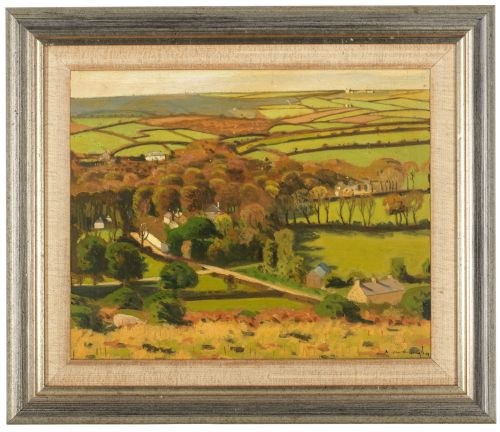
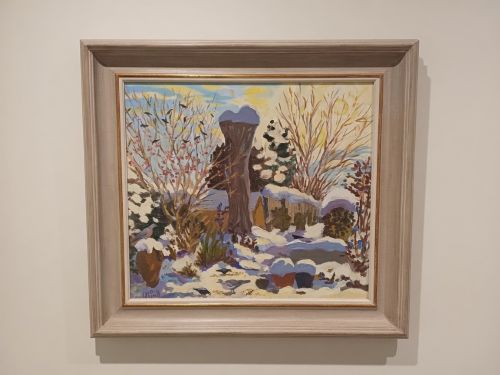
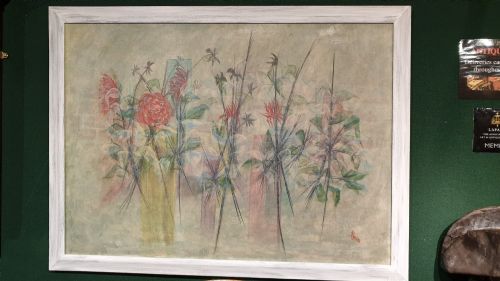
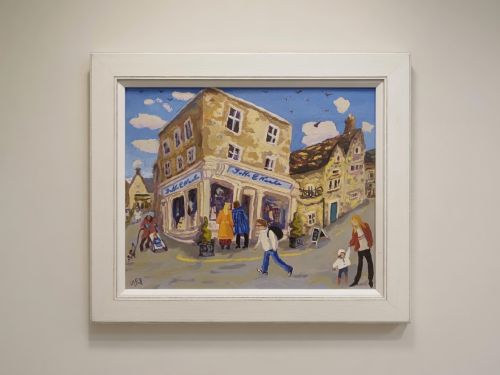
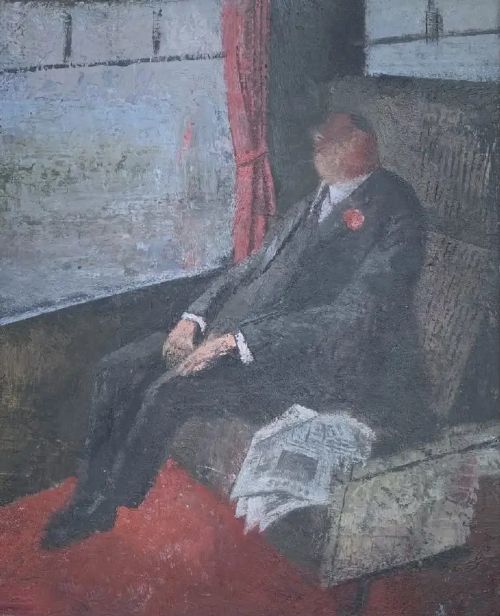
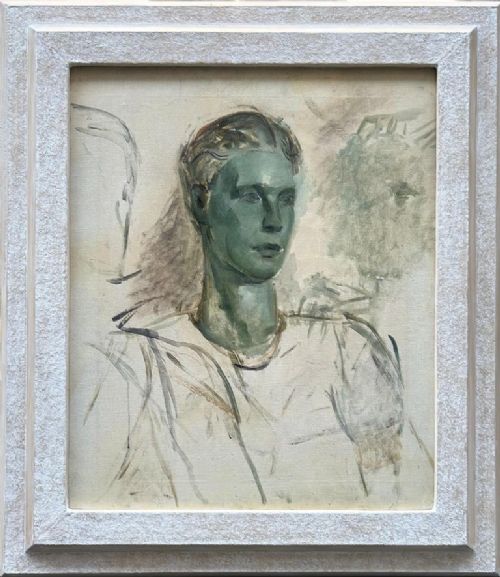
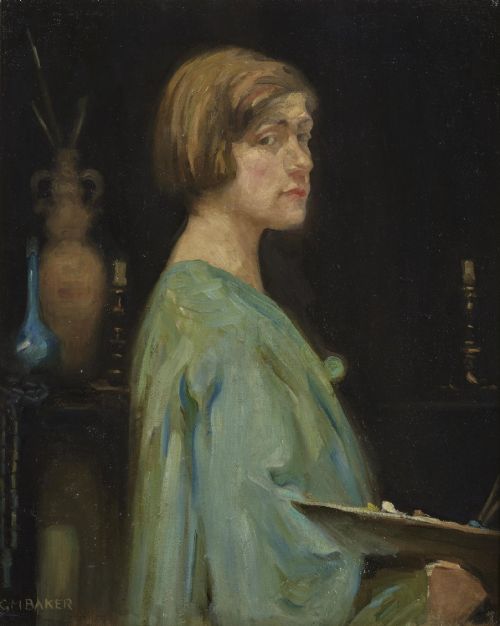
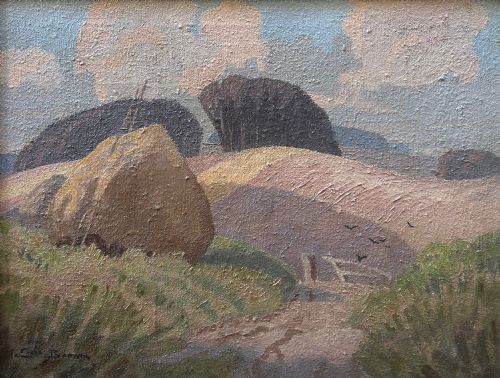
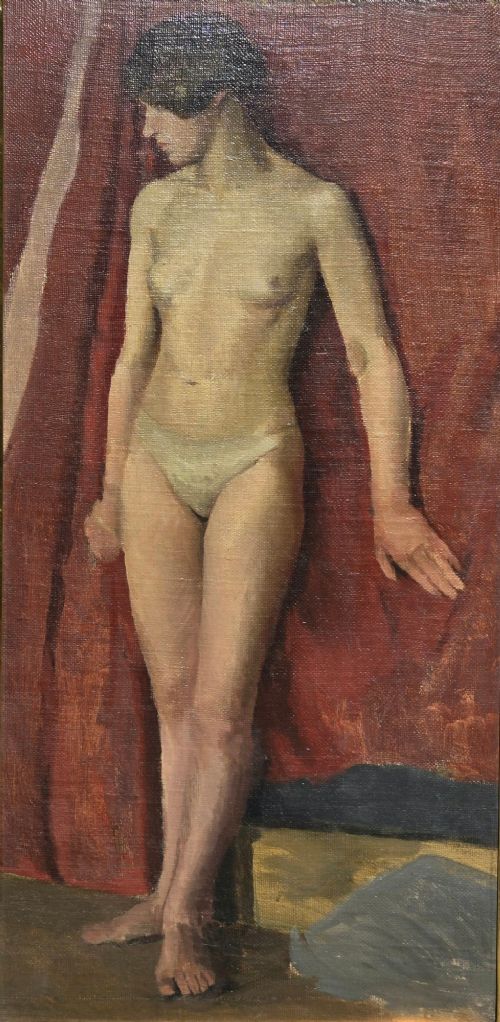
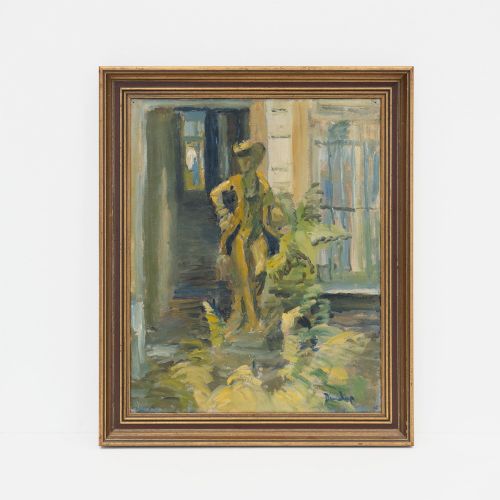
A modern british art canvas brings together oil paintings, fine art, and wall art produced across the twentieth century. These pieces encompass landscapes, portraits, still lifes, and abstract compositions created by painters working in Britain and Ireland.
The works on this page frequently date from the 1920s to the 1960s, reflecting mid-century modern, post-impressionist, and contemporary British movements. Collectors encounter both signed original compositions and works attributed to distinct regional schools such as the St Ives group.
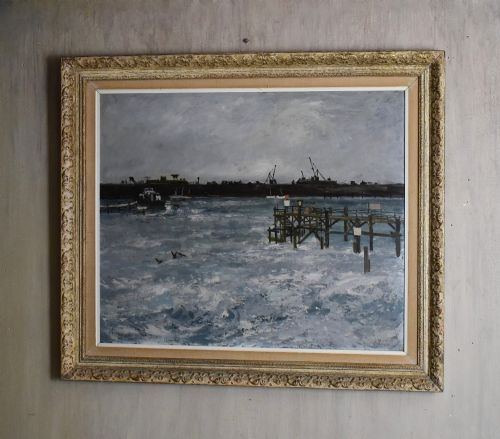
Landscapes, coastal scenes, and figure studies dominate the selection, often rendered in oil paint on canvas or board. Buyers seeking these items will find framed works that capture the evolving aesthetic of British painting from the Edwardian era through the post-war decades.
Materials and technique
Painters applied oil paint directly onto canvas, wooden board, or canvas laid on to board. These traditional supports provided the stable ground necessary for handling thick impasto and fluid brushwork.
Artists utilised oil mediums to build rich surface textures, visible in landscapes, coastal views, and abstract works. The interplay of pigment and support defines the physical character of each painting.
Subject matter ranges from Cornish coastal landscapes and Welsh hills to intimate still lifes and character portraits.
Quality and execution
The distinction between standard works and exceptional pieces lies in the confidence of the brushwork and the clarity of the composition. Stronger paintings demonstrate a deliberate handling of light and form within the landscape or portrait.
Provenance and documentation also separate notable works from lesser examples. Signed pieces with clear attribution to established artists or recognised regional movements carry greater historical weight.
Robert Morson Hughes·Lucy Pratt·Mark Ingram·Peter Brannan·Gladys Marguerite Baker·Eric Brown·Peter Newcombe·Winifred Rymer·Ronald Ossory Dunlop·Tony Giles·Denis Mitchell·Barbara Hepworth·Helen Layfield Bradley·Hazel M Barnett·Septimus Scott·Philippa Maynard Romer·Philip Naviasky·Donald McIntyre·Sir Matthew Smith·Leon Kossoff·Jeffrey Pratt·Edward Seago·Ernest Higgins Rigg·Raymond Arthur Roadnight·Nora Munro Summers
The Modern British Art Canvas Glossary
- Canvas
- A heavy woven fabric used as a surface for oil painting. It provides the primary support for many twentieth-century British works.
- Impasto
- The process of laying paint thickly on a canvas so that it stands out from the surface. This technique adds tactile dimension to landscapes and coastal scenes.
- Oil Paint
- A slow-drying paint made with pigmented particles suspended in a drying oil. It forms the core medium across the listed paintings.
- St Ives School
- An association of artists living and working in the Cornish town of St Ives. Their output heavily influenced mid-century British modernism.
Modern British Art Canvas: Frequently Asked Questions
What periods do these paintings cover?
The works span from the nineteenth century and the Edwardian era through the 1920s, 1930s, 1940s, and 1950s into the 1960s and beyond.
Mid-century modern and post-impressionist movements form the core of the selection available to collectors.
What surfaces were used for these artworks?
Artists primarily utilised canvas and wooden board as the foundation for their oil paintings. Some pieces consist of canvas laid onto board for added stability.
These traditional supports accommodate both thin glazes and heavy impasto applications.
How do I identify a St Ives school painting?
St Ives works often reflect the coastal geography and modernist abstraction associated with Cornwall. Signatures, exhibition history, and artist biographies help confirm these origins.
Associated figures frequently worked alongside notable sculptors and painters based in the region.
Are these paintings supplied with frames?
Many listings include original or period frames that complement the painting style. Framing details are noted where relevant to the physical artwork.
Collectors should review individual descriptions for specific information regarding the surround.