

Mirrored Wall Art
Mirrored wall art brings together reflective glass and decorative frames, offering light and depth to an interior.
Mirrored Wall Art
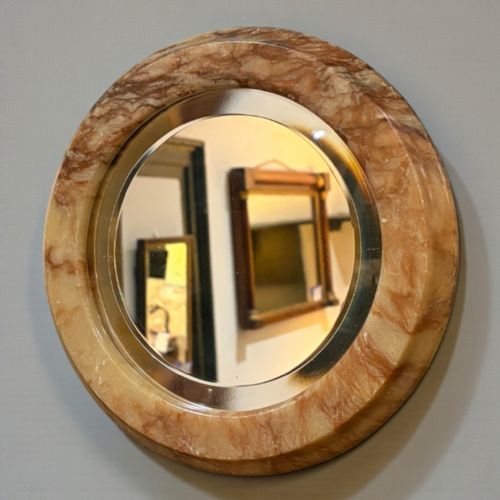
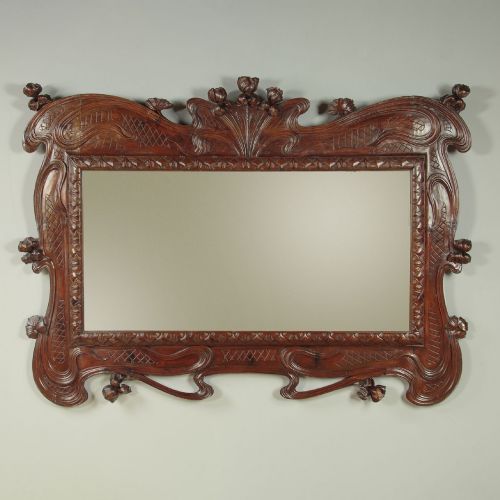
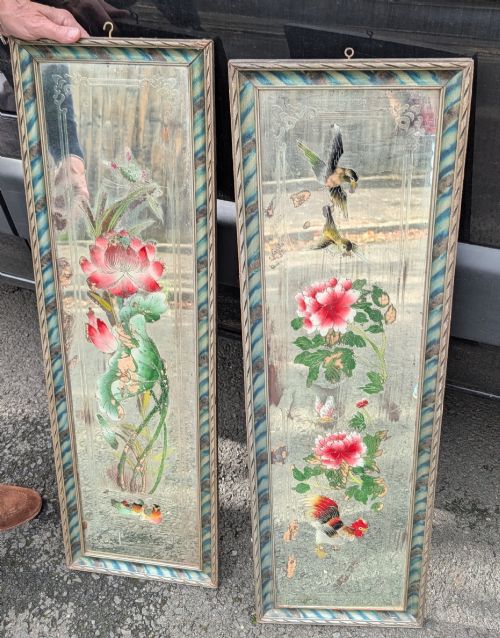
Mirrored wall art encompasses functional looking glasses, decorative wall hangings, and framed reflective panels created across the nineteenth and twentieth centuries.
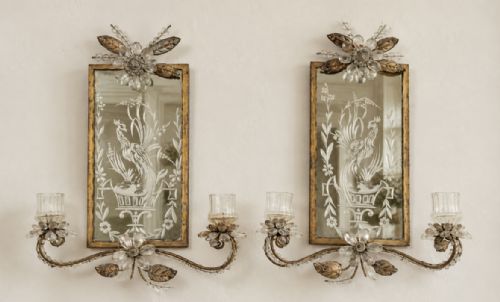
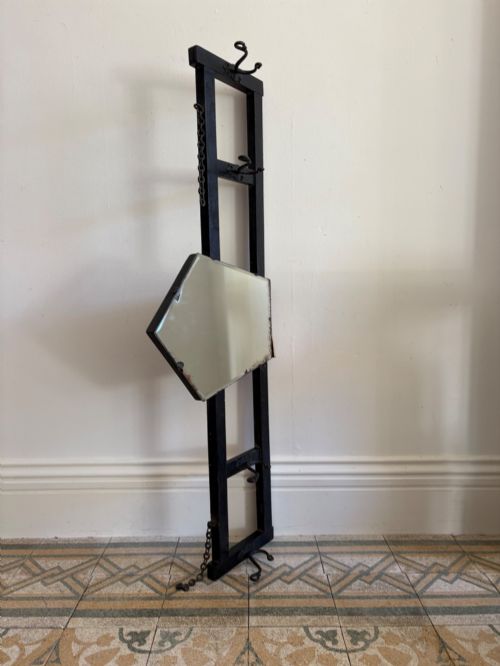
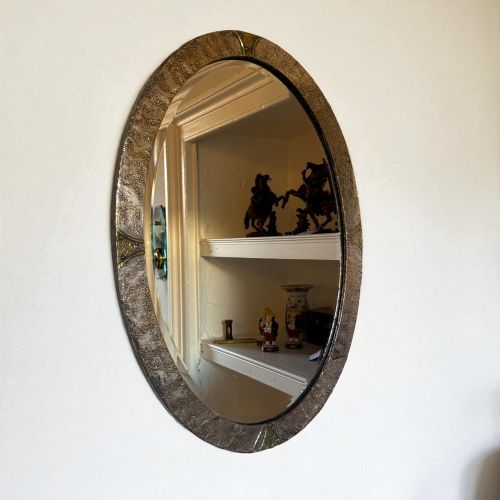
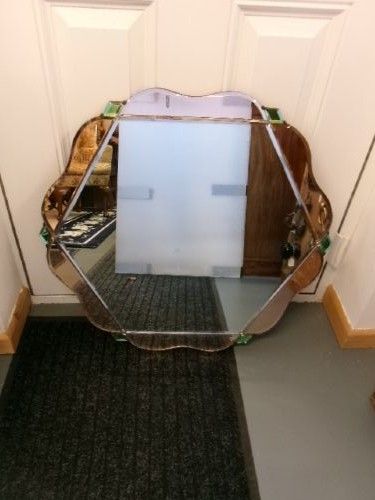
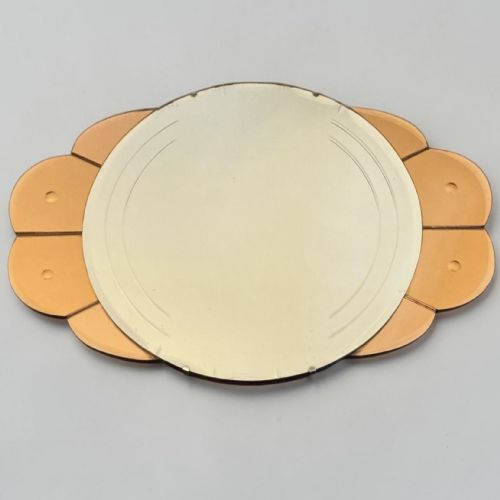
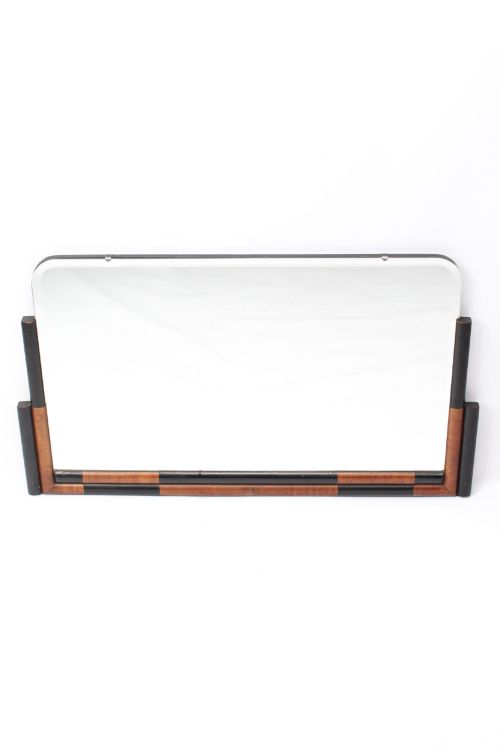
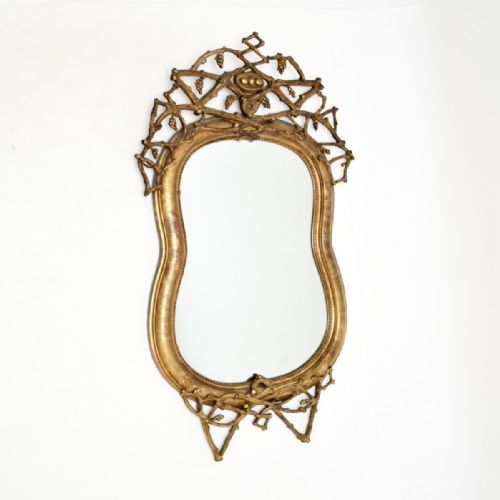
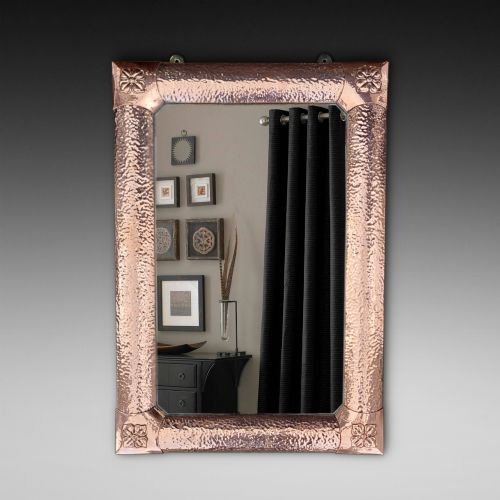
The selection ranges from geometric Art Deco designs and hammered Arts and Crafts metalwork to ornate Victorian and Edwardian frames.
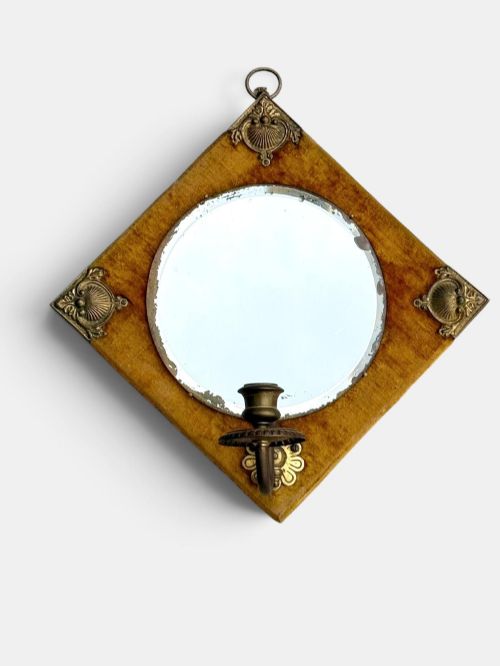
Buyers frequently encounter wall mirrors, sconces, and picture frames featuring bevelled glass and decorative timber or metal mounts.
Materials and construction
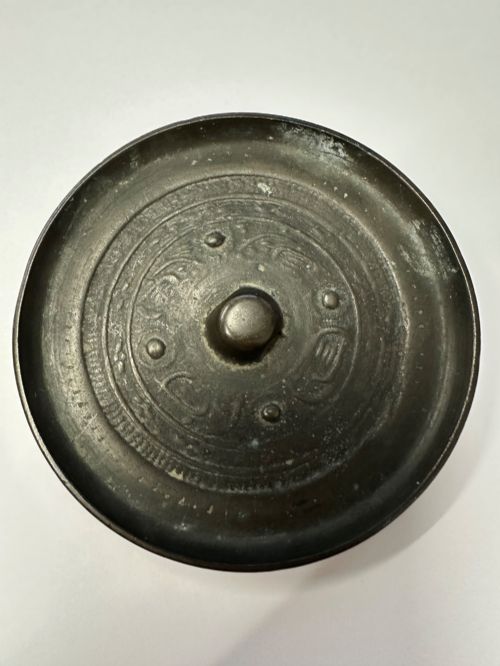
Frames are constructed from woods such as oak, walnut, and ebonised timber, alongside cast or beaten metals including brass and copper.
Reflective surfaces utilise traditional mirror glass, sometimes paired with reverse painting, peach-tinted glass, or convex spherical forms.
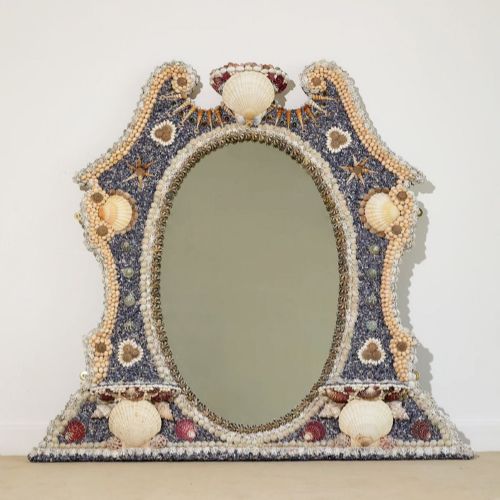
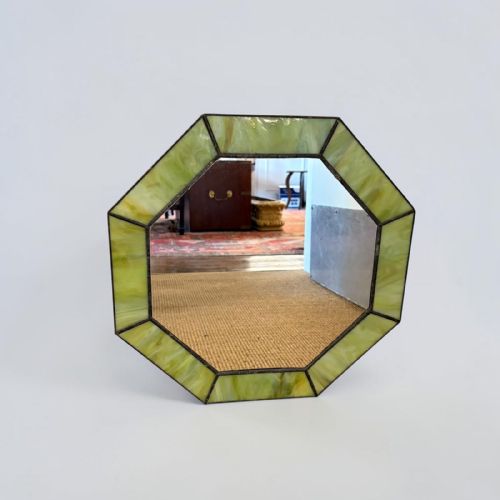
Decorative elements incorporate carved details, applied brass mounts, shellwork, and leaded or hammered copper sections.
Mirrored Wall Art Retail Price Guide 2026
Typical asking prices for mirrored wall art among the pieces listed under this phrase on Sellingantiques today, from the lower quarter to the upper quarter. They describe what is for sale here now, not the wider market.
A Black Forest wood carved bird of prey holds court among the glass, watching rooms with fierce avian dedication.
Craftsmanship and distinction
Quality rests in the precision of the frame construction, whether through hand-beaten metalwork, deeply carved wood, or carefully joined veneers.
The sophistication of the glass plate, from bevelled edges to specialist tinting or integrated reverse painting, elevates the piece.
Cohesion between the decorative frame and the reflective insert defines the success of the object.
Maison Bagues·Liberty and Co
The Mirrored Wall Art Glossary
- Art Deco
- A design style from the interwar period characterised by sleek geometric shapes, multi-tone effects, and stylised motifs.
- Arts and Crafts
- A movement prioritising traditional handcraftsmanship, natural materials, and visible worker involvement.
- Convex mirror
- A curved glass reflector that provides a wide-angle, distorted view of a room.
- Trumeau
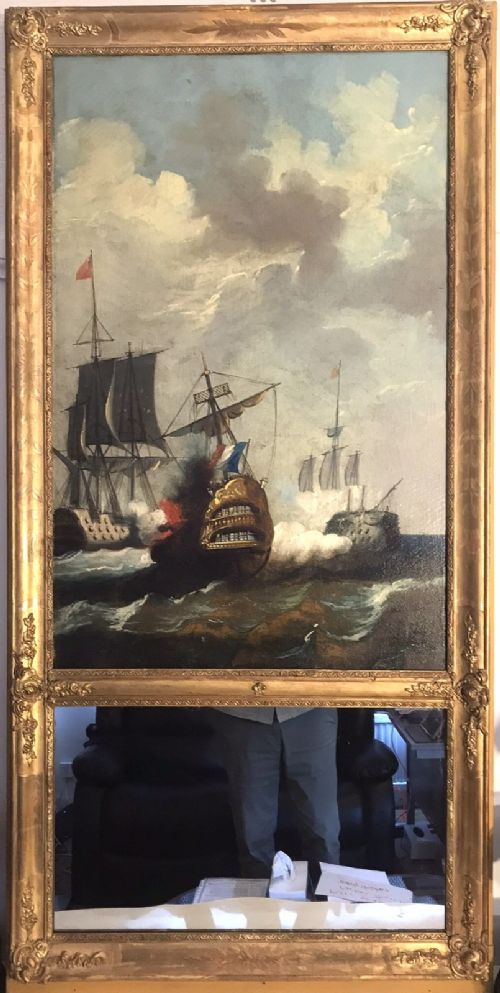
- A decorative wall panel, often combining a mirror with an oil painting or carved relief above.
- Giltwood
- Timber that has been coated with a thin layer of gold leaf or gilt paint.
Mirrored Wall Art: Frequently Asked Questions
How do I hang heavy mirrored wall art safely?
Heavy pieces require appropriate wall fixings that match the specific weight of the timber frame and glass plate. Securely anchoring into masonry or locating wall studs ensures the piece hangs safely.
Distributing the weight across two brackets rather than a single wire often provides greater stability for larger items.
How do I care for antique mirror glass?
Antique glass requires gentle cleaning with a soft cloth and minimal moisture to protect the silvered backing and delicate edges. Avoid harsh chemical cleaners that can seep behind the frame.
Maintaining stable indoor humidity levels helps preserve both the wooden or metal frames and the original glass.
What is a convex mirror used for?
Convex mirrors, historically known as witch or sorcerer's mirrors, were designed to capture the entirety of a room in a single reflection. Their curved surface disperses light across dark spaces.
They function as decorative focal points rather than functional looking glasses for close inspection.