




Mirrored Glass Lighting
Mirrored glass lighting bounces brilliant illumination across rooms, combining reflective panels with fitted sconces or pendant drops to brighten dark corners.
Mirrored Glass Lighting
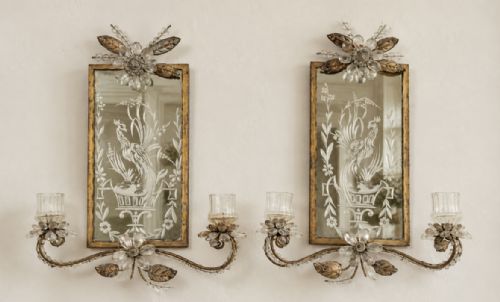
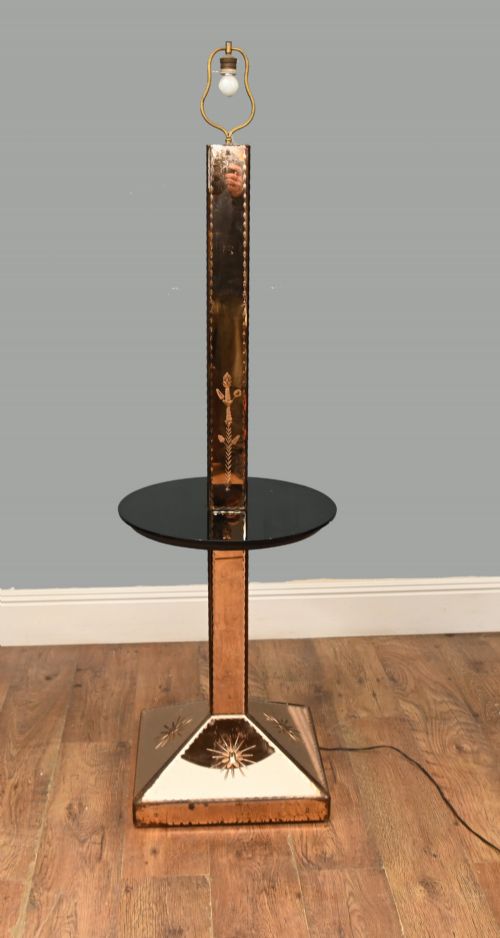
When you search for mirrored glass lighting, you encounter functional objects that combine reflective surfaces with electrical or candle illumination. The selections here span pendant lights, wall lights, and wall sconces featuring integrated mirror backs or pink mirror glass.
The pieces on this page originate from distinct eras, stretching from eighteenth-century designs through Victorian and Edwardian examples to nineteen-thirties Art Deco creations. Alongside dedicated wall lights and pendants, certain furniture forms incorporate lighting or reflective panels, including girandole mirrors with branch central lights.
How they were made
The construction of these pieces relies on combinations of glass, mirror glass, mercury glass, and brass, mounted within frames of oak, birch, pine, and giltwood. Metalwork provides structural support for pendant lights and wall sconces, while carved silvered wood and gilt frames house the reflective glass panels.
Makers utilised traditional woodworking and metal casting techniques to form the frames and backplates that hold the heavy glass securely. Silvering and mercury applications create the reflective backing behind the glass, directing and magnifying the glow from the integrated light sources.
Mirrored Glass Lighting Retail Price Guide 2026
Typical asking prices for mirrored glass lighting among the pieces listed under this phrase on Sellingantiques today, from the lower quarter to the upper quarter. They describe what is for sale here now, not the wider market.
Listings feature items dated across the nineteenth and twentieth centuries, including brass, oak, and mercury glass variants.
What varies in quality
Quality reveals itself in the depth of the silvering on the glass and the crispness of detail in the giltwood, brass, or carved wooden frames. Finer examples show careful joinery in the backplates and superior casting in the metal branches and sconces.
The integration of the lighting elements with the reflective glass distinguishes standard domestic pieces from more ambitious decorative works. Original mercury glass and well-preserved silvered panels retain a distinct warmth and character that lesser replacements lack.
Harry and Lou Epstein·Maison Bagues·Maple and Co
The Mirrored Glass Lighting Glossary
- Girandole
- A branched wall light or sconce, often incorporating a mirrored backplate to multiply the spread of illumination. These fixtures frequently feature carved and gilt wooden frames.
- Mercury glass
- A blown double-walled glass filled with a silvering mixture and sealed, creating a distinctive reflective coating. It was widely used in pendant lights and decorative vessels.
- Sconce
- A wall-mounted lighting fixture designed to hold candles or electric bulbs, frequently attached to a mirrored back to project light further into a room.
- Giltwood
- Timber, such as pine or oak, coated with a thin layer of gold leaf or gold paint. It appears extensively on eighteenth-century and revival frames surrounding mirrors.
- Overmantel mirror
- A large wall mirror designed specifically to hang above a fireplace mantelpiece. Some variants include twin sconces or integrated branches for lighting.
Mirrored Glass Lighting: Frequently Asked Questions
How do mirrored glass lights illuminate a space?
The reflective glass panels behind or around the bulbs bounce the illumination outward, making small or dark rooms appear brighter and more open.
This double reflection distinguishes them from standard wall lights, allowing a single bulb to cast a wider spread of light across the surrounding walls.
Where should I hang a wall sconce with a mirror?
These sconces work best in hallways, dining rooms, or above sideboards where they catch and reflect natural daylight as well as evening illumination.
Positioning them opposite a window or in a narrow corridor maximises their ability to brighten the surrounding space.
What is the difference between a pendant and a sconce?
Pendants suspend downward from the ceiling on cords or metal rods, casting light outward from a central hanging point. Sconces mount directly onto vertical wall surfaces, typically featuring a backplate that sits flat against the plaster or wood paneling.