



Miniature Wooden Rocker
These miniature wooden rocker pieces are small children's and dolls' seating items crafted to move, combining historic domestic form with compact scale.
Miniature Wooden Rocker
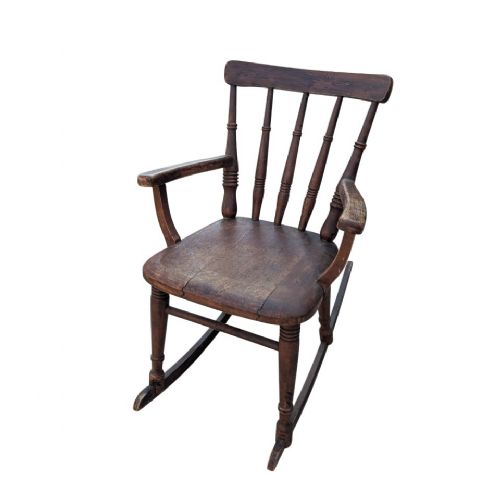
A miniature wooden rocker is a scaled-down seating piece designed for children or dolls, appearing across various historical periods including the nineteenth century and the Victorian era. These items take the form of small rocking chairs, armchairs, and windsor chairs intended for domestic domestic settings rather than adult use.
The versions most commonly met on this page belong to the nineteenth century, alongside examples dated around seventeen fifty, eighteen hundred, nineteen hundred, and nineteen twenty. They originate from diverse traditions such as English country vernacular, Scandinavian country, and American styles.
Makers produced these objects in various regional vernacular forms, ranging from simple rustic country models to more structured Victorian designs. Buyers encounter these items as surviving examples of historical children's furniture and doll accessories made from traditional timber.
How they were made
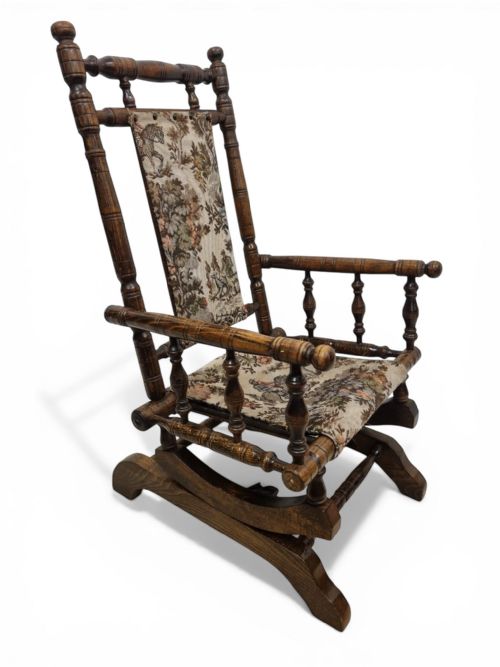
Carpenters and village makers constructed these small chairs using solid timbers like oak, ash, elm, pine, and birch. Some pieces incorporate rush seating or fabric tapestry upholstery to provide a softer surface for a child.
Construction techniques rely on traditional woodworking methods suited to small-scale seating, including windsor chair framing with turned spindles and bentwood or curved rocker runners attached to the base. Wood stain was frequently applied to alter or protect the exterior finish of the timber.
Current listings demonstrate a prevalence of nineteenth-century pieces alongside rarer examples dated to seventeen fifty, constructed from ash, elm, oak, pine, and birch.
What varies in quality
Quality in a miniature wooden rocker rests on the selection of timber and the integrity of the joinery rather than ornamental complexity. Pieces built from dense hardwoods like ash and elm display greater resilience than softer pine alternatives.
The sophistication of the turning on spindles and the harmonious proportion of the miniature scale relative to full-sized chairs distinguish finer vernacular items from utilitarian examples. The presence of original rush weaving or period tapestry upholstery also contributes to the character of the piece.
The Miniature Wooden Rocker Glossary
- Vernacular
- Everyday objects made by regional craftsmen following local traditions rather than high-style metropolitan designs. These pieces utilise locally available woods and practical construction methods.
- Windsor
- A chair style characterised by a solid wooden seat into which the legs and back spindles are directly inserted. This method creates a sturdy framework without requiring heavy box stretchers.
- Rush
- Dried marsh grass twisted into cords and woven to create a seat platform. It offers a flexible and supportive surface within a wooden frame.
- Tapestry
- Heavy woven textile utilised for upholstery on chairs. It introduces decorative patterns and fabric texture to the seating area.
Miniature Wooden Rocker: Frequently Asked Questions
Were these chairs made for children or dolls?
These pieces served practical use as children's seating or functioned as display items for large dolls. Their dimensions reflect the scaled-down requirements of historic nurseries.
Makers built them with the same structural joints found in full-sized furniture to withstand active domestic environments.
What woods were used for these rockers?
Constructors utilised a variety of native timbers including oak, ash, elm, pine, and birch depending on regional availability. Hardwoods provided strength for the slender spindles and rocking runners.
Some examples feature secondary woods combined with surface wood stain to create a uniform appearance across the frame.
How can I tell the period of a miniature rocker?
Dating relies on stylistic markers, construction methods, and tool marks visible on the timber frame. Pieces from the seventeen hundreds often show early windsor turning styles, whereas Victorian examples display heavier proportions or applied upholstery.
Comparing the joinery details to documented furniture helps establish an approximate decade of manufacture.
How do I care for a wooden rocking chair?
Protect the timber by placing the chair away from direct heat sources and fluctuating humidity levels. This prevents the wood from drying out or splitting.
Dust the surface regularly with a dry cloth and avoid harsh chemical polishes that can degrade historic finishes.