







Miniature Wooden Frame
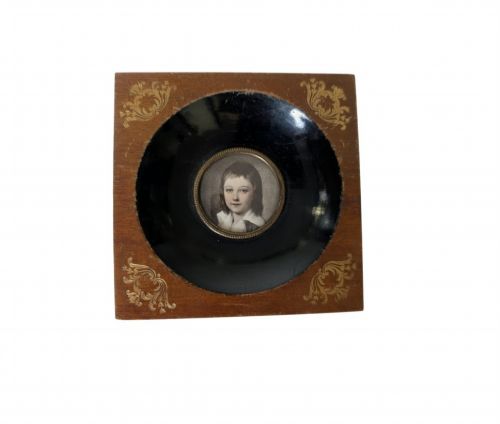
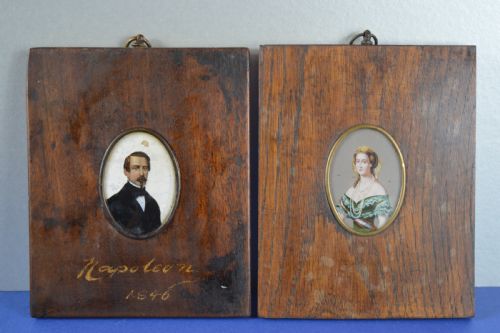
These small-scale surrounds protect precious likenesses and paintings, giving miniature wooden frame examples a quiet focus.
Miniature Wooden Frame
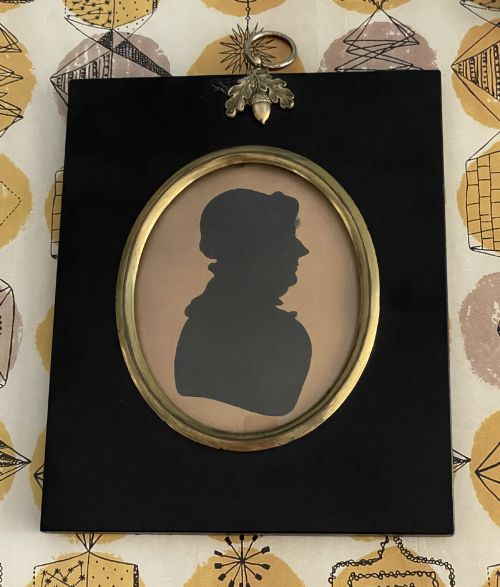
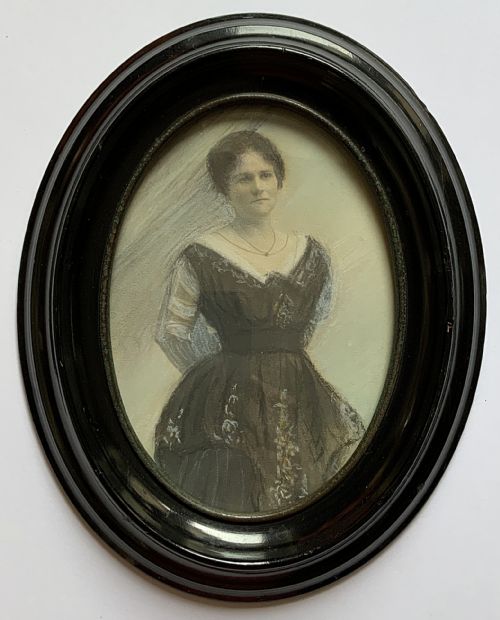
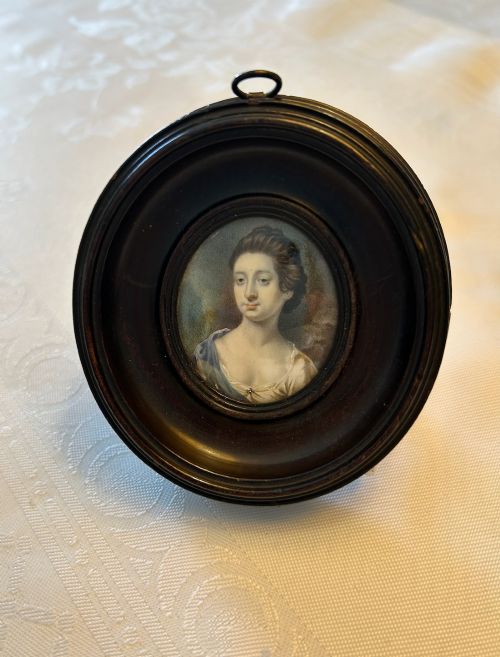
A miniature wooden frame encloses delicate works of art such as portrait miniatures, silhouettes, and gouache paintings from various historical periods. These enclosures protect fragile paper, watercolour, and oil mediums while serving as portable domestic ornaments.
The pieces listed here predominantly span the eighteenth and nineteenth centuries, including Georgian, Victorian, and Edwardian examples. They house everything from silhouettes and cut-paper portraits to Mughal school paintings and European miniatures.
Forms vary from simple ovals to cruciform designs, often utilising ebonised wood or oak. Buyers encounter pairs of frames as well as single enclosures designed for wall hanging or tabletop display.
Materials and Construction
Wood serves as the primary structural material, frequently finished with ebonisation or left as natural oak. Cabinetmakers shaped these compact enclosures to fit specific oval or rectangular artworks.
Glazing protects the delicate surfaces of watercolours, plumbago drawings, and gouache paintings housed within. Brass mounts and paper backings frequently accompany the wooden structures.
Miniature Wooden Frame Retail Price Guide 2026
Typical asking prices for miniature wooden frame among the pieces listed under this phrase on Sellingantiques today, from the lower quarter to the upper quarter. They describe what is for sale here now, not the wider market.
Dogs and courtly lovers share wall space with solemn ancestors in these pocket-sized window displays.
Assessing Quality and Craftsmanship
Quality rests in the precision of the joinery and the finish of the timber, whether ebonised or plain oak. Finer examples retain their original glass, backboards, and suspension rings.
The harmony between the enclosure and the artwork it holds dictates desirability. Superior pieces display proportional balance that enhances the portrait miniature or painting without overpowering it.
James Gillespie·Augustin Edouart·James Ferguson
The Miniature Wooden Frame Glossary
- Ebonised wood
- Timber treated to imitate ebony, creating a dense black finish popular in nineteenth-century frames. This treatment provides a stark contrast for delicate portrait miniatures.
- Portrait miniature
- A small-scale painting or likeness executed with fine detail. These works were often housed in protective wooden surrounds for intimate viewing.
- Gouache
- An opaque watercolour medium used in miniature paintings. It requires protective glass and a sturdy frame to prevent surface damage.
- Plumbago
- A drawing executed in graphite, taking its name from the Latin word for lead. Plumbago portraits are frequently found mounted in early wooden frames.
- Silhouette
- A portrait profile cut from paper or painted in solid black. These pieces gained popularity during the Regency and Victorian periods.
Miniature Wooden Frame: Frequently Asked Questions
What is a miniature wooden frame?
A miniature wooden frame is a small housing designed to protect and display compact artworks like silhouettes and portrait miniatures.
These surrounds date primarily from the eighteenth and nineteenth centuries, utilising woods such as oak and ebonised timber.
How were these frames used?
Historically, owners displayed these small pieces on parlour walls or kept them on desks for intimate viewing.
They served as portable memorials of family members or treasured likenesses of public figures.
How do I date a frame?
Dating relies on timber treatment, joining techniques, and the style of the artwork contained within.
Victorian ebonised ovals differ noticeably in profile from earlier Georgian or Regency examples.
Can I change the artwork inside?
Original housings often contain fragile historic papers, watercolours, or silhouettes that benefit from remaining undisturbed.
Altering the contents can disrupt the historical integrity of the piece and its protective backing.