



Miniature Wooden Box
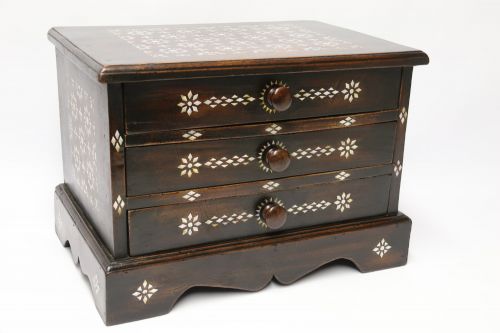
A miniature wooden box condenses the joinery and proportion of full-scale furniture into a small scale made for travel, samples, or keepsakes.
Miniature Wooden Box
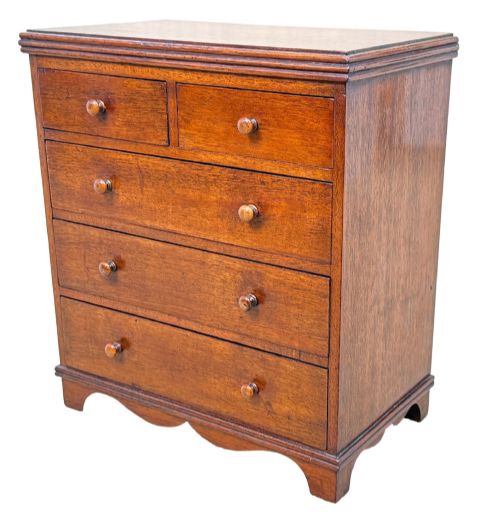
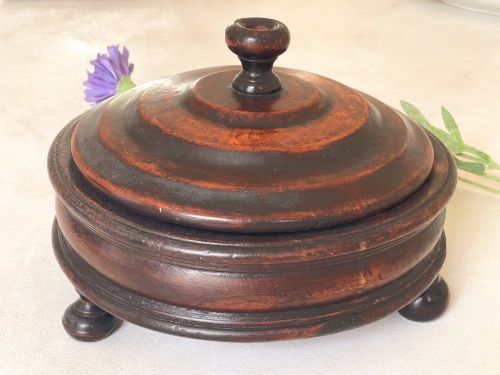
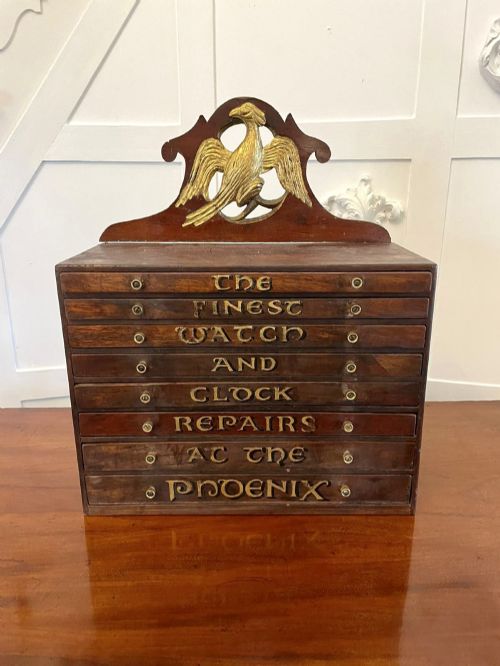
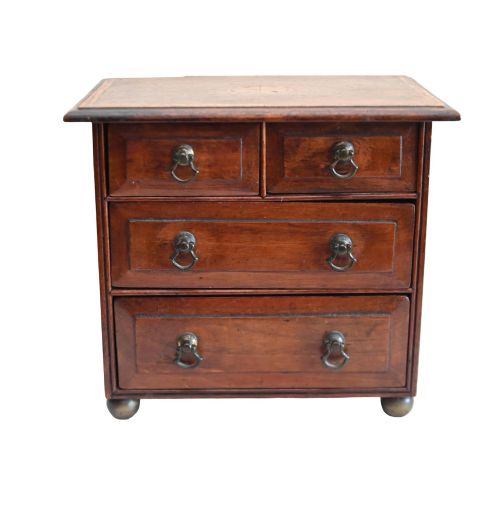
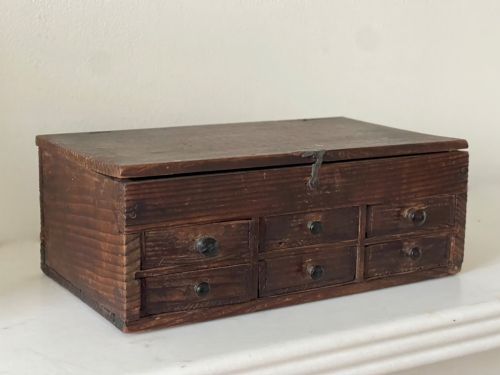
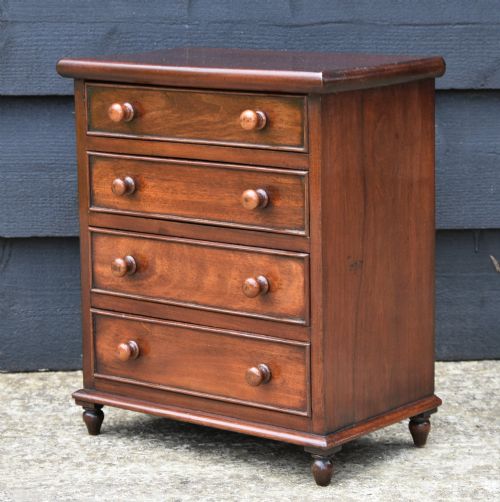
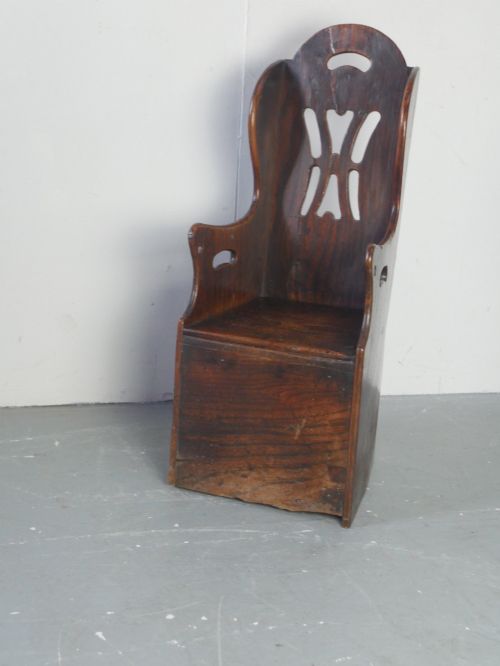
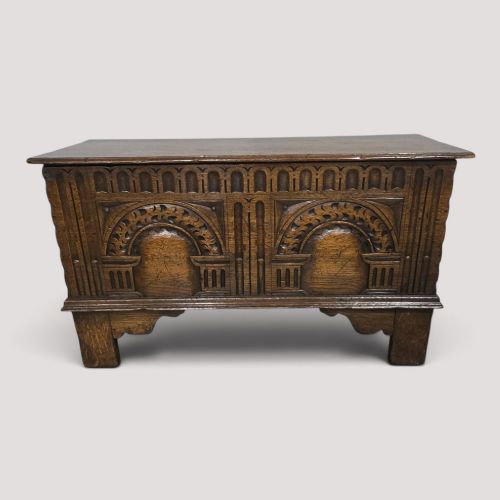
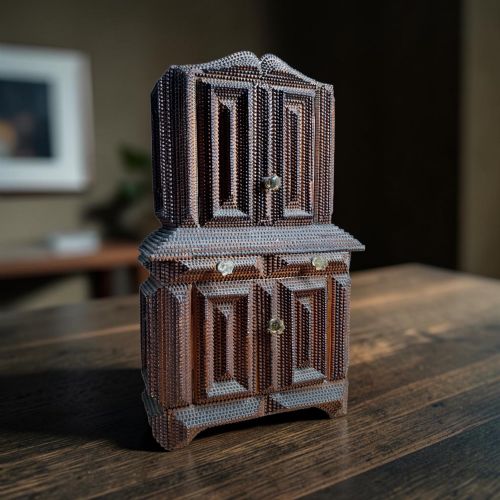
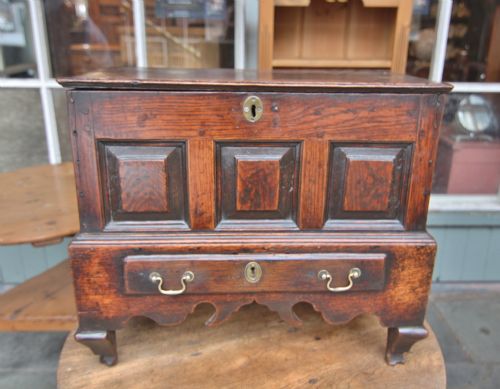
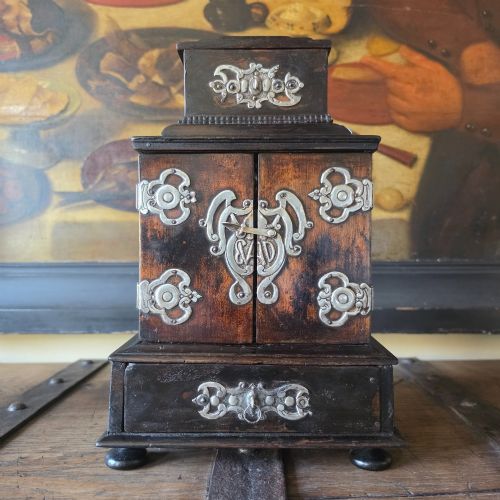
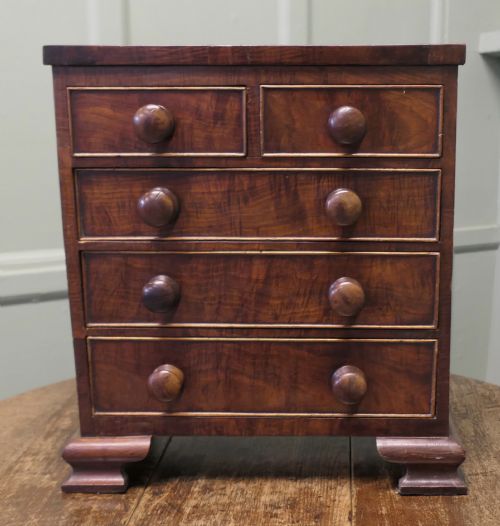
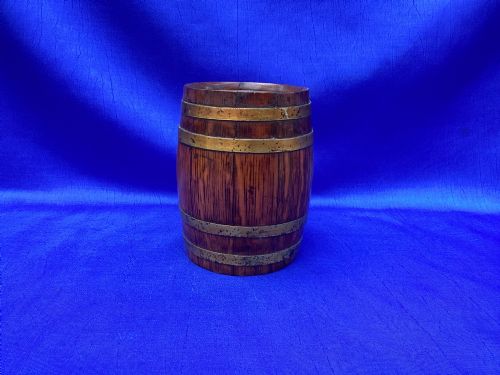
A miniature wooden box appears in several traditional forms across this page, ranging from apprentice pieces and apprentice chests of drawers to coffer bach examples and tea caddies. These objects served practical purposes for storage, display, or demonstration of skill, utilising the domestic furniture styles of their respective eras.
The selection on this page draws primarily from the eighteenth and nineteenth centuries, including Georgian, Victorian, and Edwardian periods. Buyers encounter small chests, tabletop cabinets, and spice drawers designed with the same care as larger household furnishings.
Regional variations add distinct character, such as Welsh oak coffer bach designs or French tramp art and folk art interpretations. Each piece reflects the material preferences and woodworking traditions of its origin.
Materials and Construction
Construction relies heavily on timbers like oak, walnut, mahogany, fruitwood, and elm, often selected for figure and grain. Cabinetmakers applied traditional joinery techniques, such as dovetailing for drawers and mortise and tenon joints for frames, ensuring durability at a small scale.
Secondary materials such as brass for handles, hinges, and escutcheons complement the timber surfaces. Glass panels, bone details, and inlaid elements appear on specific pieces, adding functional contrast and decorative refinement.
Surface finishes range from polished French polish on Victorian walnut to natural wax on earlier oak and fruitwood surfaces. These finishes highlight the warm tones of the wood and develop a deep patina through age and handling.
Miniature Wooden Box Retail Price Guide 2026
Typical asking prices for miniature wooden box among the pieces listed under this phrase on Sellingantiques today, from the lower quarter to the upper quarter. They describe what is for sale here now, not the wider market.
Listings feature oak, mahogany, walnut, and fruitwood across Georgian, Victorian, and Edwardian periods.
Markers of Quality
Quality rests upon the fidelity of the proportions and the precision of the miniature joinery. Fine examples maintain correct architectural scaling rather than simply shrinking a design at random.
The Miniature Wooden Box Glossary
- Coffer bach
- A small Welsh blanket chest traditionally made of oak, featuring a hinged lid and often a single drawer below. These diminutive chests served as marriage gifts or presentation pieces.
- Apprentice piece
- An item created by a woodworker to demonstrate mastery of a craft before admission to a guild. These objects show exceptional attention to detail.
- Tea caddy
- A small container designed to store loose tea leaves securely. Regency and Victorian examples often mimic sideboard furniture with fitted interior compartments.
- Spice drawers
- A set of small drawers built into a frame for holding culinary ingredients. They typically hang on a wall or sit on a tabletop in domestic kitchens.
- Patina
- The surface sheen and colour developed by wood over decades of handling and exposure to light. It signifies genuine age and continuous use.
Miniature Wooden Box: Frequently Asked Questions
How were coffer bach boxes used?
A coffer bach functioned as a small storage chest for valuables, documents, or textiles in Welsh households. Their miniature scale made them suitable for tabletops or mantelpieces.
They frequently marked significant life events such as weddings or christenings.
What woods are common?
Cabinetmakers utilised native and imported hardwoods like oak, walnut, mahogany, and fruitwood. The choice depended on the period and the regional workshop traditions.
Figured veneers such as burr walnut or burr oak appear on finer nineteenth-century examples.
How do I care for antique wood?
Antique wood requires stable indoor humidity away from direct sunlight and heat sources. Sudden environmental changes cause timber to warp or split.
Occasional applications of beeswax feed the dry grain and preserve the historic surface sheen.