

Miniature Wood Chest
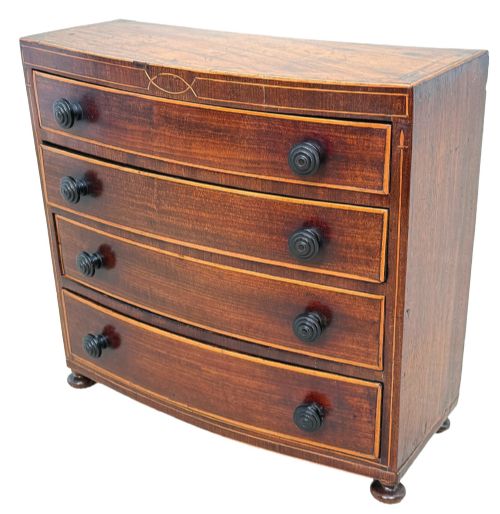
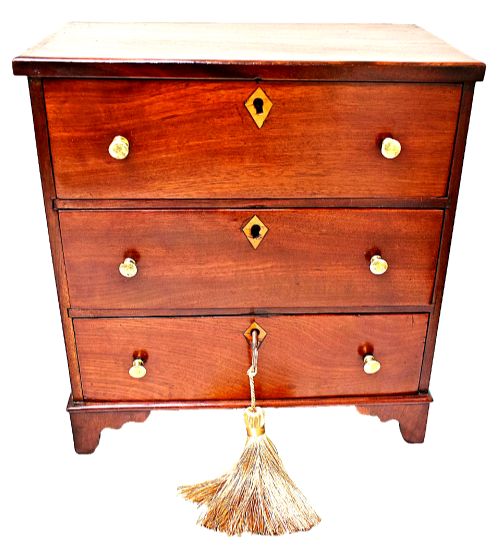
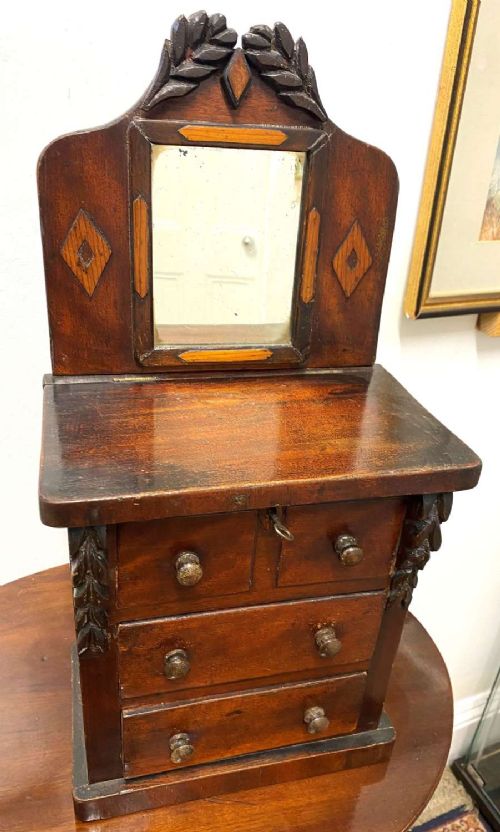
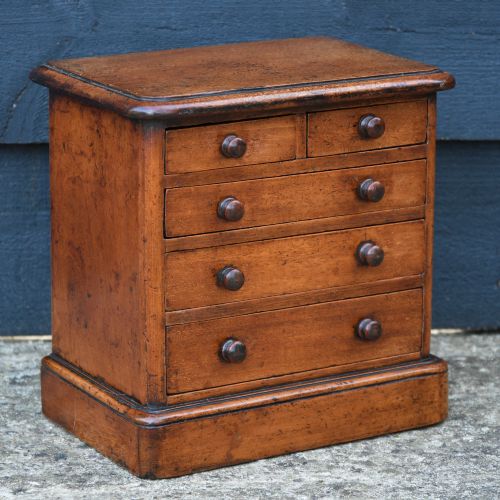
These miniature wood chest examples are small-scale pieces of furniture spanning centuries, built for display, travel, or safekeeping.
Miniature Wood Chest
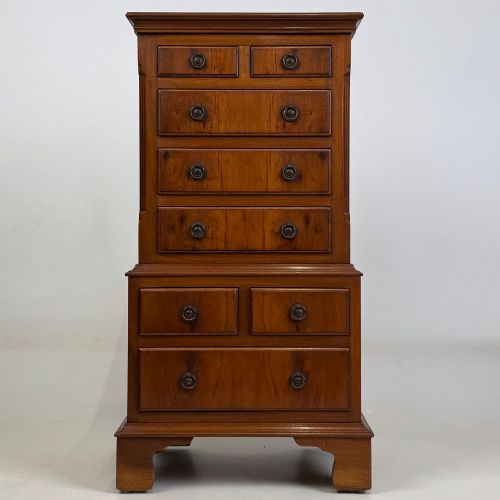
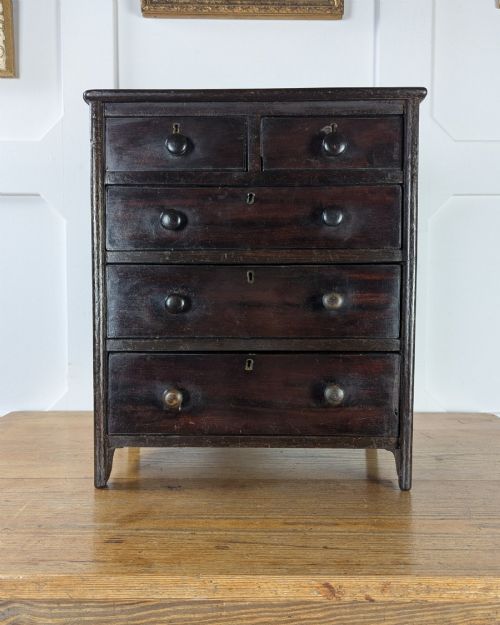
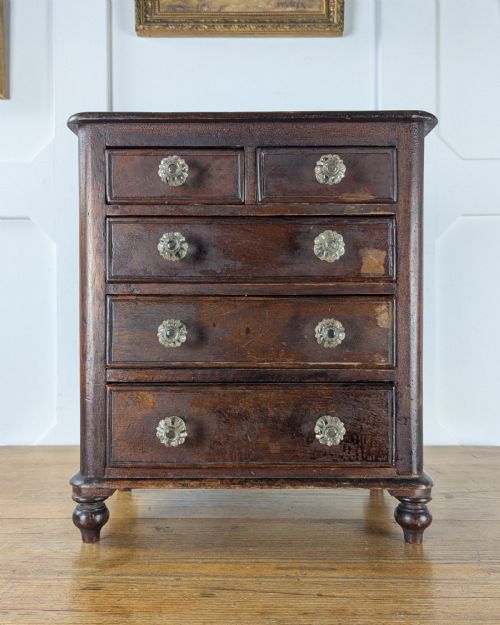
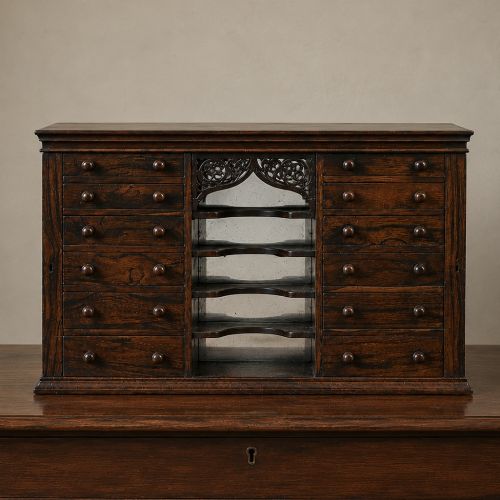
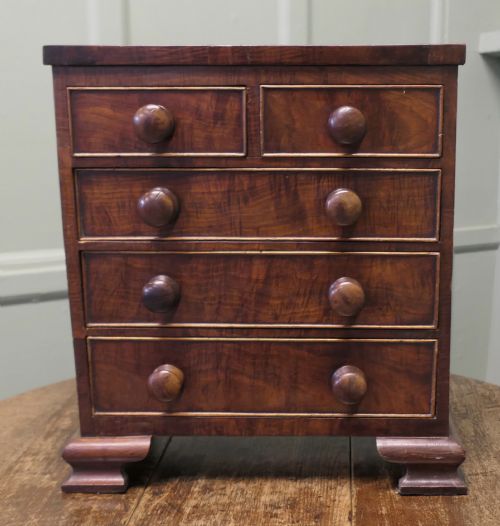
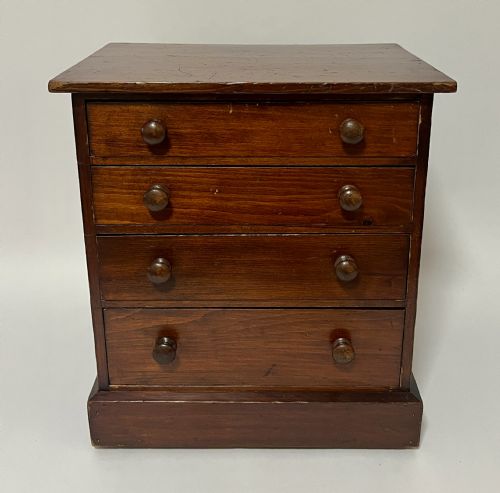
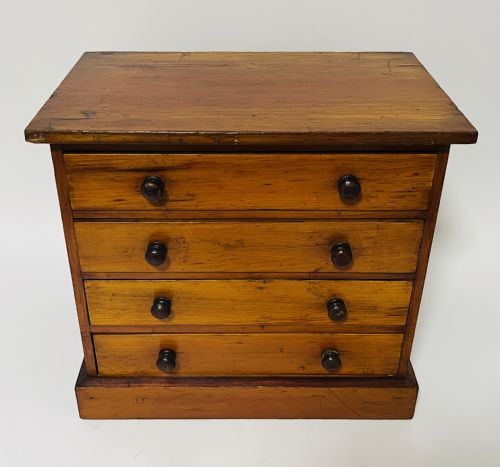
A miniature wood chest represents a smaller version of domestic storage, appearing across the Georgian, Victorian, and Edwardian periods in forms ranging from apprentice pieces to specialised collectors cabinets.
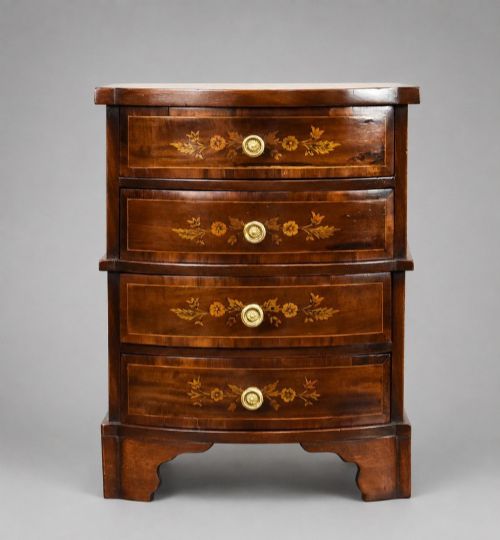
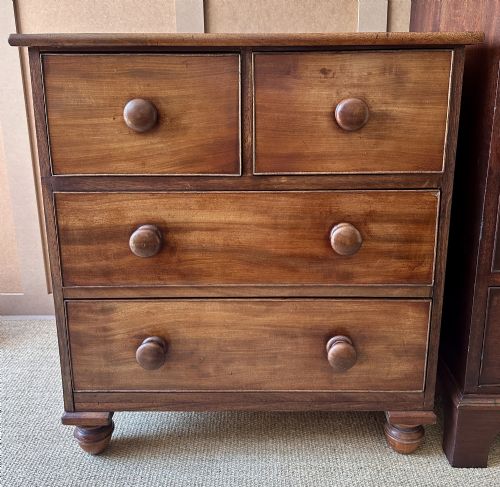
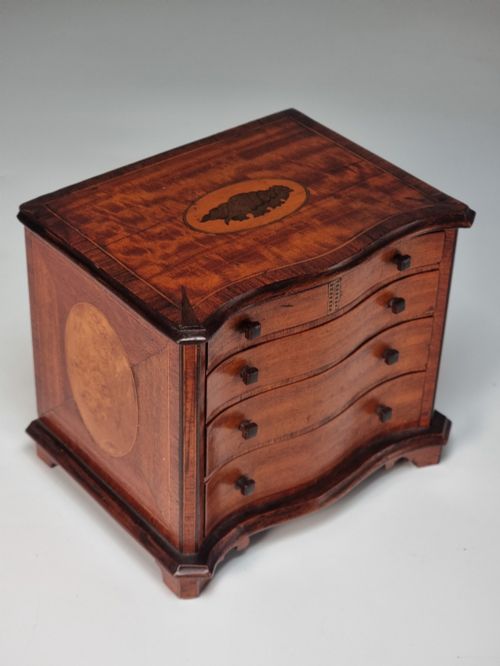
The selections on this page include miniature chest of drawers variants, tabletop chests, and coffer bach styles fashioned in walnut, mahogany, oak, and pine.
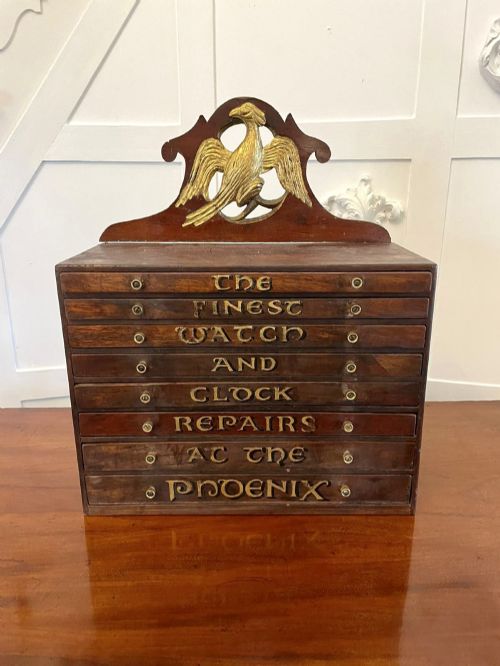
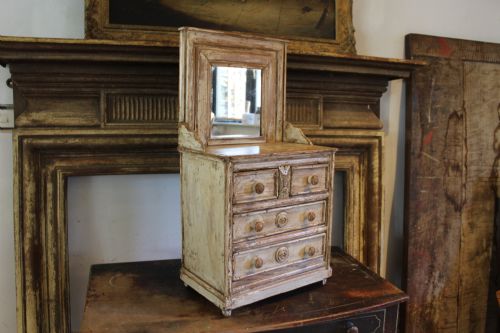
Makers designed these compact items for specific contents, yielding specialist objects such as microscope slide cabinets, watch repairer chests, and jewellery boxes.
Materials and Construction
Cabinet makers utilised dense hardwoods like mahogany, rosewood, and yew alongside regional softwoods like pine and deal to construct these small scale carcases.
Techniques relied on traditional joinery, incorporating brass hardware, mother of pearl inlay, and marquetry details to finish surfaces across Victorian and Georgian examples.
Miniature Wood Chest Retail Price Guide 2026
Typical asking prices for miniature wood chest among the pieces listed under this phrase on Sellingantiques today, from the lower quarter to the upper quarter. They describe what is for sale here now, not the wider market.
Some miniature chests include secret compartments hidden behind sliding panels or false drawer bottoms for concealing small treasures.
Quality and Construction
Construction standards separate standard utilitarian boxes from superior examples through the precision of dovetail joints, the selection of figured veneers like burr walnut, and the integration of functioning locks.
Proportion and execution define the hierarchy, where pieces displaying careful timber selection and subtle mouldings outclass simpler stained deal or pine constructions.
Reprodux·A. F. Lloyd, Bideford
The Miniature Wood Chest Glossary
- Apprentice piece
- A small item of furniture demonstrated by a craftsman to prove skill before gaining guild admission. These objects often mirror full sized chests in miniature detail.
- Coffer bach
- A small Welsh oak chest featuring panelled construction and a hinged lid, used historically for storing valuables. This regional form sits within broader domestic storage traditions.
- Collectors cabinet
- A multi drawer housing designed to organise natural history specimens, coins, or slides. These units feature numerous shallow drawers protected by locking doors.
- Marquetry
- The art of applying decorative veneer pieces to a structure to form geometric or pictorial designs. Craftsmen utilised contrasting timbers like satinwood and ebony for visual depth.
- Wellington chest
- A tall, narrow set of drawers secured by a hinged locking stile on one side. This mechanism locks every drawer simultaneously with a single key.
Miniature Wood Chest: Frequently Asked Questions
What is a miniature wood chest?
These objects are scaled down versions of larger furniture forms, built by cabinet makers as display pieces, travelling storage, or trade proofs.
They encompass chest of drawers formats, tabletop cabinets, and specialised boxes produced from the eighteenth century into the twentieth century.
How were apprentice pieces used?
Apprentice pieces served as practical tests of skill for woodworkers seeking mastery within their trade guild. Makers concentrated complex joinery techniques into a compact format to demonstrate proficiency.
Over time, these scaled items transitioned into domestic display objects and jewellery storage within polite interiors.
What timbers appear most often?
Mahogany, oak, and walnut dominate the construction of these pieces, providing stable surfaces for fine joinery and polished finishes. Regional variations incorporate pine, deal, and fruitwoods depending on the period and origin.
Exotic veneers such as rosewood and satinwood add decorative contrast to drawer fronts and top surfaces.
How do I date a miniature chest?
Dating relies on observing construction methods, timber choices, and hardware styles that align with specific periods like the Georgian or Victorian eras. Dovetail joint configurations and secondary woods offer clear chronological indicators.
Original brass pulls, locks, and feet provide further evidence of the exact manufacturing date.