



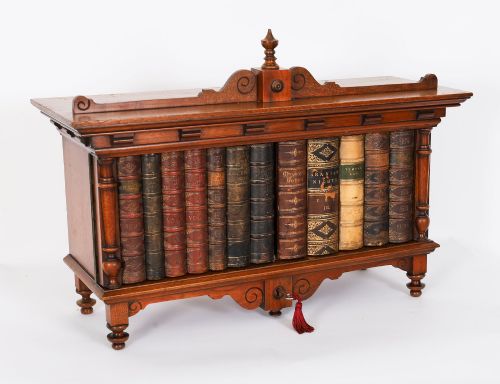
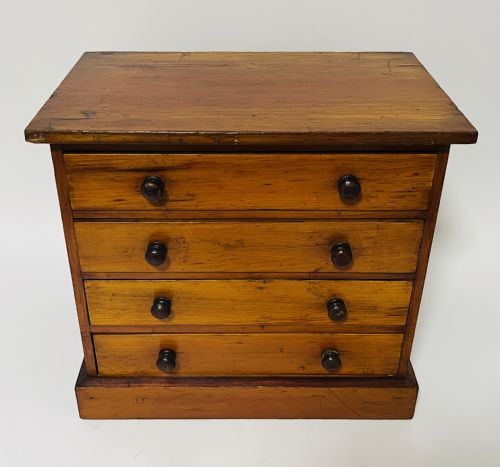
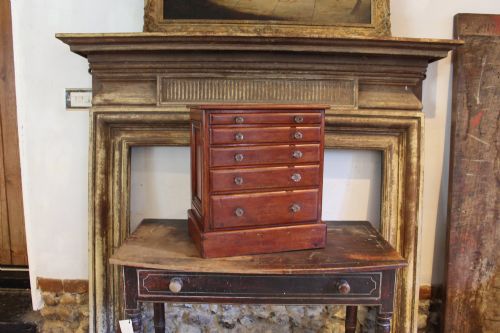
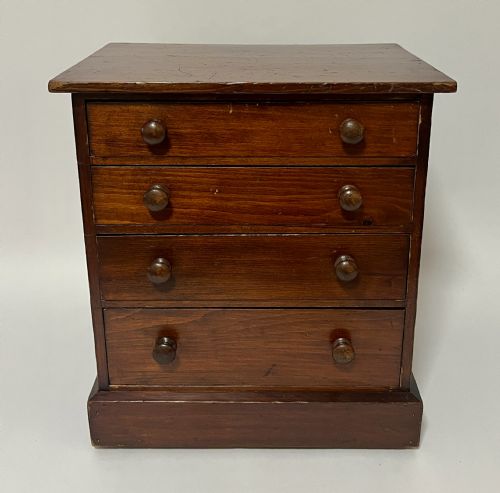


Miniature Storage Cabinet
These small pieces of furniture scale down full-sized storage for the tabletop, offering precise drawers and compartments for small items.
Miniature Storage Cabinet
A miniature storage cabinet provides compact organisation through small drawers, shelves and cupboards scaled down from larger furniture types. When exploring a miniature storage cabinet, buyers frequently encounter Victorian examples alongside earlier Georgian and 19th-century pieces designed for specific practical uses.
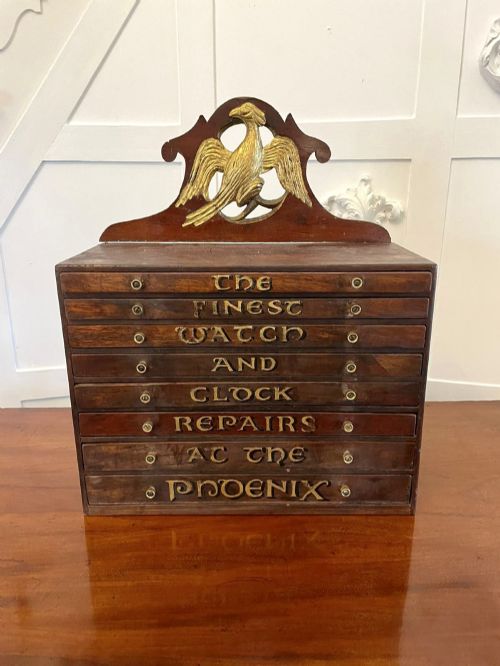
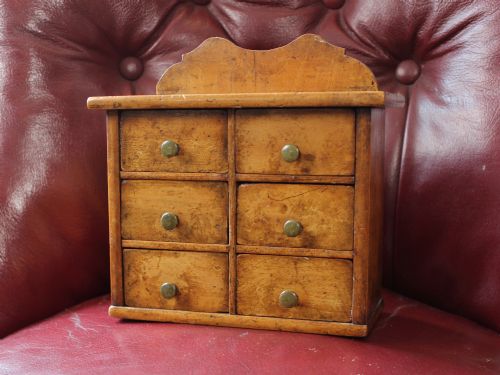
Makers produced these items for various trades and domestic tasks, resulting in specimen cabinets, apprentice pieces, spice boxes and watchmaker chests. Mahogany, oak and pine appear often as the primary timbers used to construct these tabletop and wall-hanging units.
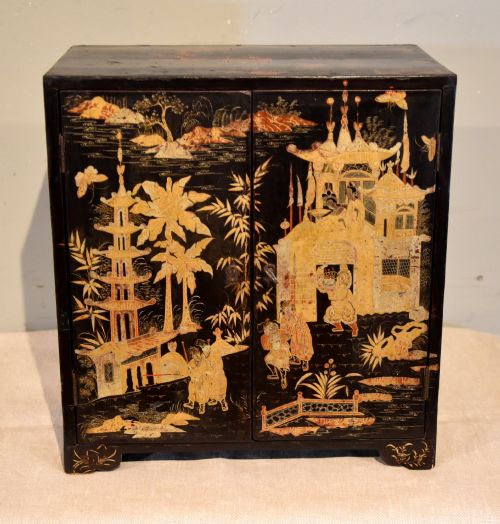
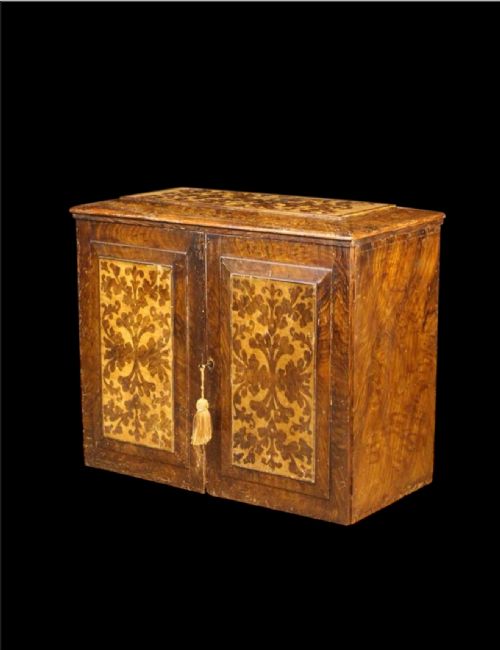
Styles range from utilitarian workshop designs to refined Regency chinoiserie and Flemish baroque expressions. The functional purpose dictates the internal arrangement, from shallow watchmaker trays to deeper drawers suited to collections.
Materials and Construction Methods
Cabinetmakers utilised hardwoods such as mahogany, walnut and oak alongside softer timbers like pine and fruitwood to build these small carcasses. Joinery typically involved dovetailed drawer construction and framed panels, ensuring durability despite the reduced scale.
Metal fittings in brass and iron provided functional handles, hinges and escutcheons, occasionally complemented by bronze animal decoration or specialised internal hardware.
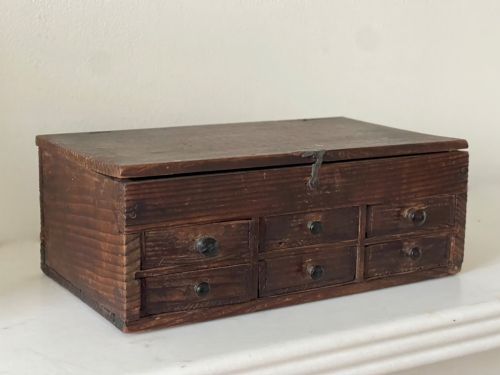
Surfaces received various finishes, from polished French polish on exhibition pieces to stained or bare timber on utilitarian workshop boxes.
Miniature Storage Cabinet Retail Price Guide 2026
Typical asking prices for miniature storage cabinet among the pieces listed under this phrase on Sellingantiques today, from the lower quarter to the upper quarter. They describe what is for sale here now, not the wider market.
Listings feature items constructed from eight distinct materials, including brass, mahogany, pine, oak, walnut and iron.
Evaluating Execution and Proportion
Quality rests in the fidelity of the scaling and the precision of the joinery rather than mere size. Superior examples exhibit carefully selected timber grains, such as figured walnut or matched mahogany, applied across small surfaces.
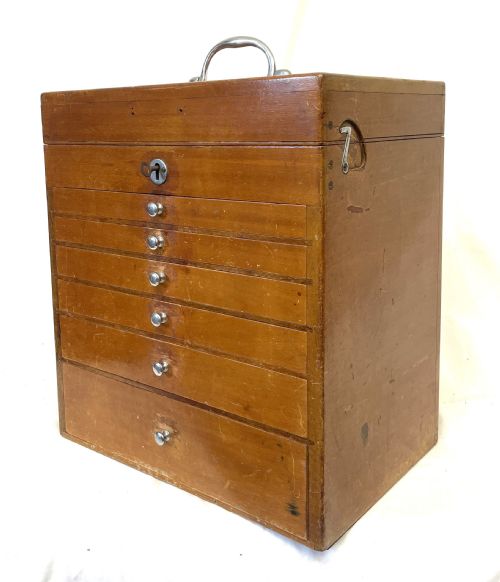
The refinement of internal divisions, such as fitted microscope slide trays or precisely partitioned watch repairer compartments, separates utilitarian workshop boxes from presentation pieces intended for display.
Original hardware, sound drawer action and intact timber patination distinguish pieces that retain their integrity from those altered or heavily restored over time.
The Miniature Storage Cabinet Glossary
- Apprentice piece
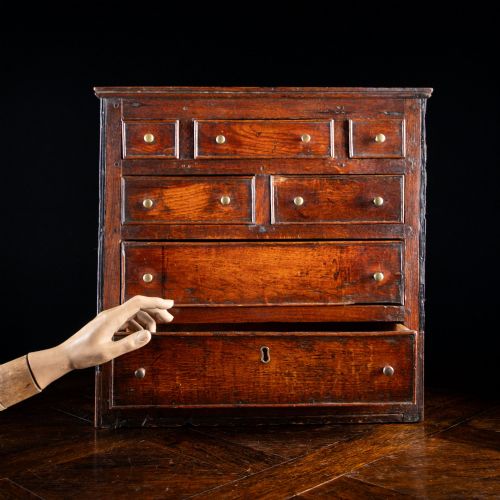
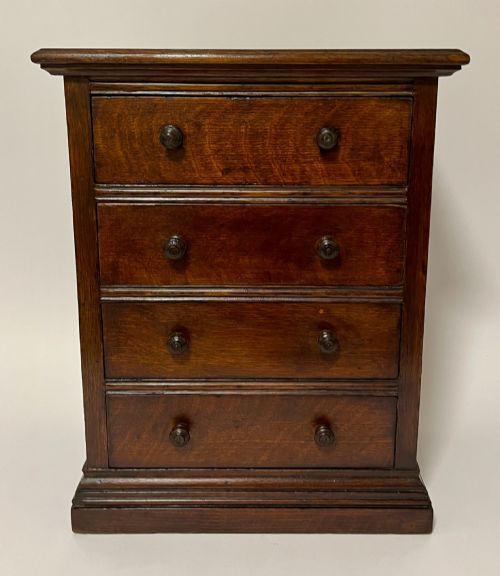
- A small-scale item created by a woodworker to demonstrate skill to a guild or master. These often mirror the design of full-sized chests of drawers.
- Specimen cabinet
- A piece built with numerous shallow drawers designed to hold natural history collections such as insects, minerals or botanical samples.
- Spice cabinet
- A small wall-hanging or tabletop cupboard housing a series of small drawers intended for culinary ingredients. They frequently date from the 18th and 19th centuries.
- Chinoiserie
- A decorative style reflecting European interpretations of Chinese art and motifs. It appears on select Regency period pieces in this category.
- Table cabinet
- A self-contained storage unit proportioned to sit upon a desk, table or surface rather than stand on the floor.
Miniature Storage Cabinet: Frequently Asked Questions
What were miniature storage cabinets used for originally?
These cabinets served specific trades, domestic tasks and personal collections. Watchmakers, apothecaries and naturalists utilised them to store delicate tools, medicines and scientific specimens.
Domestic users kept them on tables or desks to hold spices, jewellery, letters or sewing equipment. Some served as apprentice pieces to demonstrate woodworking proficiency.
How do I date an antique miniature storage cabinet?
Dating relies on examining the timber species, construction methods and architectural style. Georgian and Victorian examples display distinct hardware, moulding profiles and dovetail techniques characteristic of their respective eras.
Secondary woods inside the drawers provide further clues to the period and region of manufacture. Comparing the piece to standard furniture timelines helps narrow down the decade of production.
Are these cabinets sturdy enough for daily use?
Most of these pieces were built using traditional joinery and solid hardwoods like oak and mahogany, making them structurally sound for light modern storage. Their compact scale means drawer depths are limited compared to standard furniture.
Care should be taken with antique hinges, locks and delicate decorative elements. Placing them on stable surfaces prevents tipping or strain on the structure.
How should I care for timber miniature cabinets?
Keep wooden cabinets away from direct sunlight and heat sources to prevent timber splitting and veneer lifting. Maintaining stable indoor humidity protects the original joints and drawer movement.
Dust gently with a dry cloth and avoid harsh chemical polishes. Occasional application of appropriate wax preserves the historic finish of the wood.