



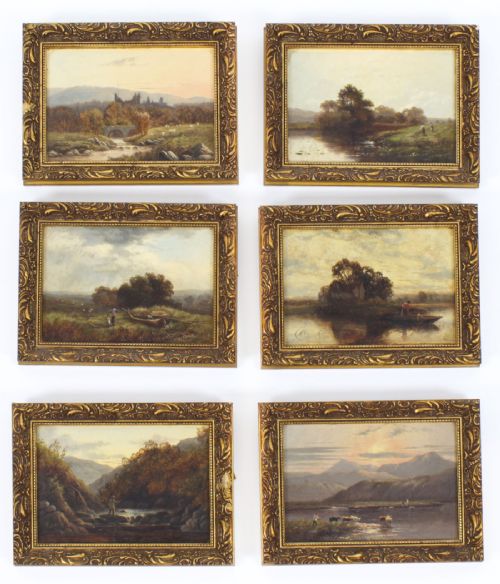


Miniature Oil Artwork
Miniature oil artwork brings together small-scale portraiture, landscapes, and still life executed in oil on panel, canvas, or copper.
Miniature Oil Artwork
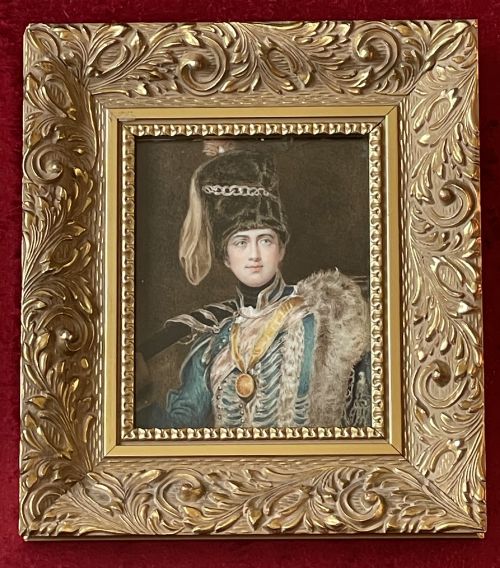
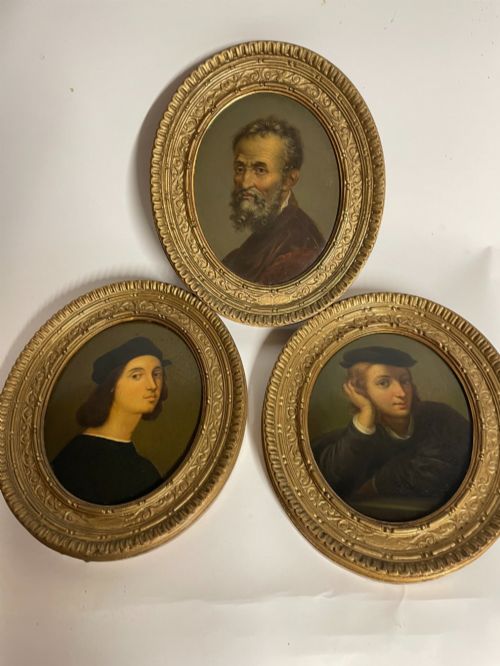
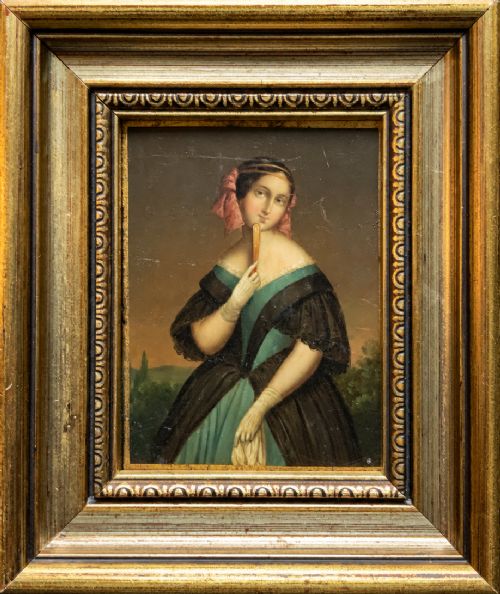
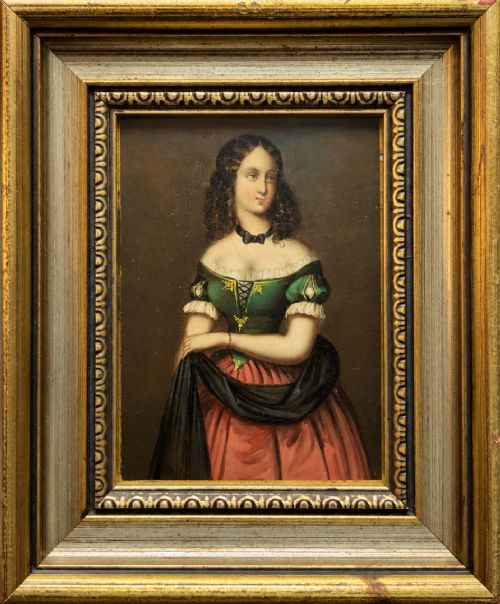
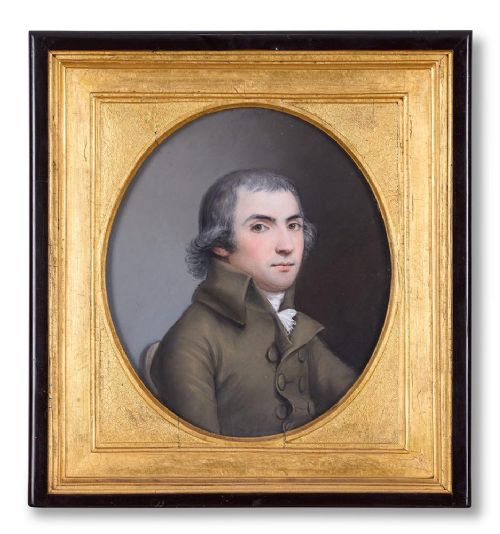
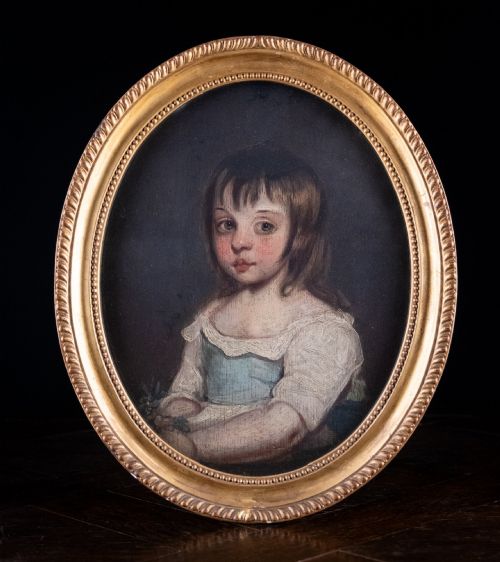
Miniature oil artwork comprises small paintings created in oil paint across centuries ranging from the seventeenth to the mid twentieth century. These pieces encompass detailed portrait miniatures, coastal scenes, floral still lifes, and romantic ruins.
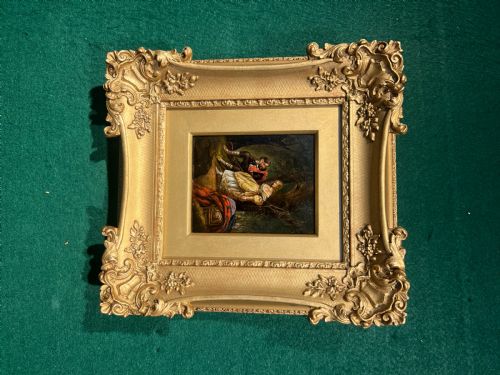
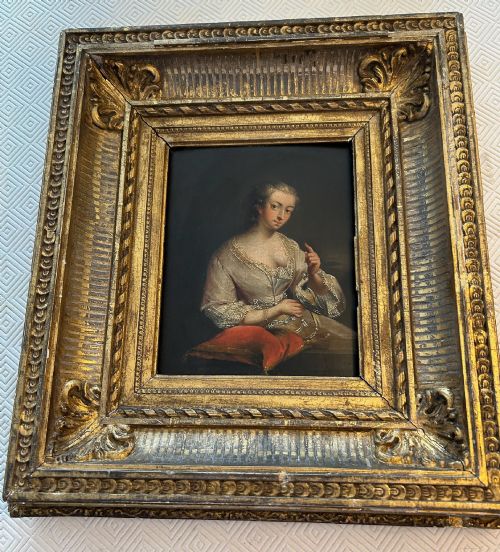
The selections on this page are dominated by eighteenth and nineteenth century portraiture alongside regional landscapes. Buyers encounter works rendered on wood panels, copper plates, and canvas, often housed within period frames.
What varies in quality
Quality rests upon the skill of the brushwork and the precision of the subject's execution within a confined space. Finer examples display careful anatomical proportion or atmospheric depth in landscapes, whereas lesser pieces show rushed application.
The preservation of the original paint surface and the matching quality of the period frame contribute significantly to the standing of an individual piece. Works attributed to documented artists or distinct schools carry greater contextual interest.
Miniature Oil Artwork Retail Price Guide 2026
Typical asking prices for miniature oil artwork among the pieces listed under this phrase on Sellingantiques today, from the lower quarter to the upper quarter. They describe what is for sale here now, not the wider market.
Napoleon Bonaparte watches quietly from a nineteenth century miniature, keeping company with seventeenth century theologians and eighteenth century duchesses.
Fernando Del Basso·William Egley·Louis Leopold Boilly·John Scougall·Francis Alleyne
The Miniature Oil Artwork Glossary
- Oil paint
- A slow drying paint made by combining pigments with a drying oil, typically linseed oil. This medium allows for smooth blending and rich depth of colour.
- Gesso
- A plaster mixture used as a prepared surface on wood panels or canvas before applying oil paint. It provides a stable base for the fine details characteristic of miniature works.
- Copper plate
- A thin sheet of metal used as a rigid painting support, popular in the seventeenth and eighteenth centuries. Painting on copper allows for exceptional smoothness and luminosity.
- Panel
- A flat piece of wood used as a structural support for paintings. Wooden panels offer a stable alternative to canvas for smaller formats.
Miniature Oil Artwork: Frequently Asked Questions
How were miniature oil paintings displayed?
These small works were designed to be hung in intimate domestic spaces, often grouped together in pairs or series as seen in sets of landscapes and portraits.
Their compact scale allowed owners to arrange them closely on panelled walls or within smaller rooms where larger canvases would overwhelm the interior.
What subjects appear most frequently?
Portraits dominate the selection, ranging from seventeenth century figures to eighteenth century ladies and gentlemen.
Landscapes, seascapes, floral still lifes, and classical ruins also appear, reflecting the varied decorative tastes of the Georgian and nineteenth century periods.
How do I identify the period of a miniature painting?
Dating relies on costume details, hairstyles, painting techniques, and the framing materials associated with specific eras like the Georgian or Regency periods.
Inscriptions, signatures, and the type of support used, such as copper plates or specific wood panels, provide further chronological evidence.
Are these works signed by the artists?
Some pieces feature legible signatures, artist inscriptions, or attribution notes recorded on the reverse or within the composition.
Others belong to defined regional schools, such as the English or Scottish school, where the specific hand remains anonymous but the stylistic period is clear.