

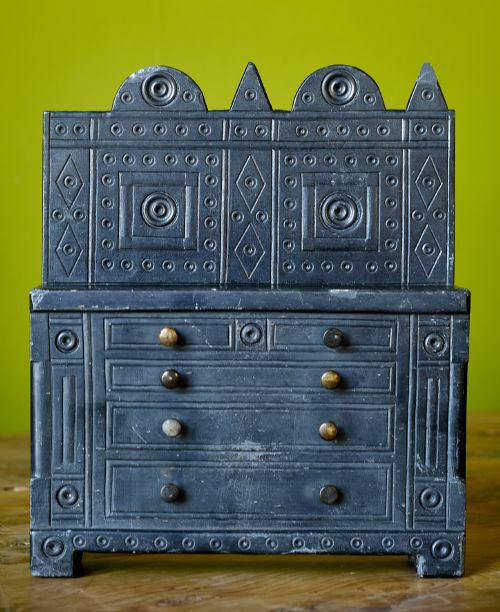

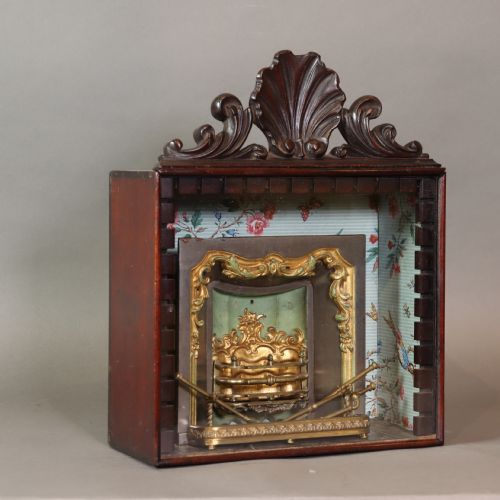


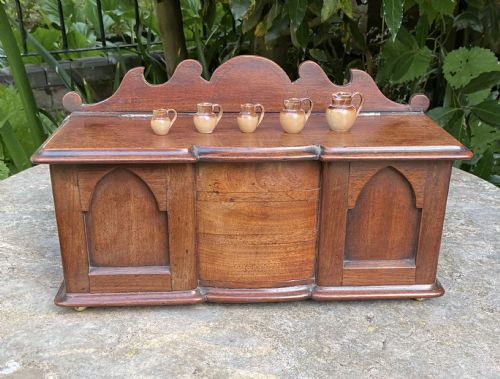


Miniature Carved Box
A miniature carved box is a small storage piece offering intricate detail, prized for its portability and fine craftsmanship.
Miniature Carved Box
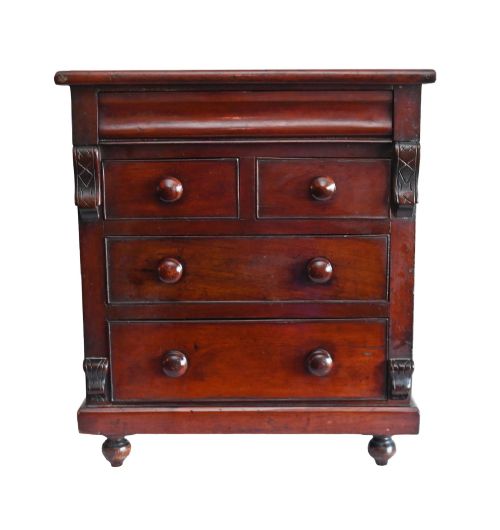
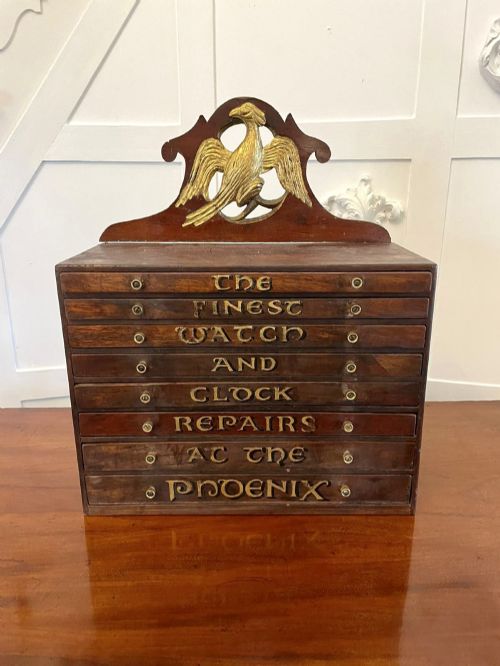
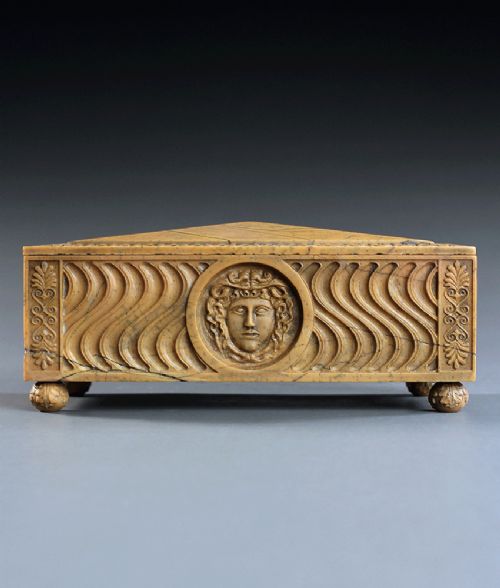
A miniature carved box gathers diverse small containers designed for domestic utility and display. The selection spans Georgian, Victorian, and early twentieth-century periods, showcasing forms from table cabinets to snuff boxes.
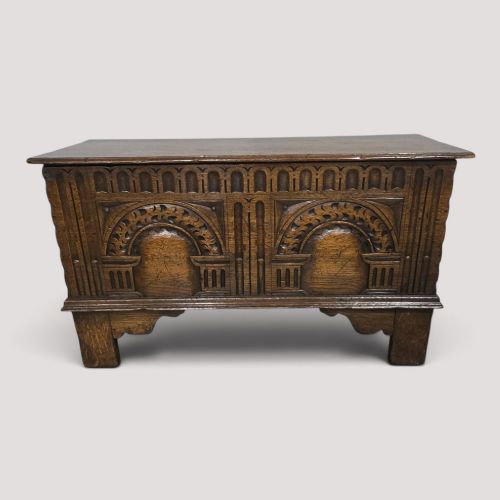
Buyers meet regional expressions such as the Welsh coffor bach alongside French tramp art cabinets and English apprentice pieces. Oak and mahogany dominate the timber choices, often accompanied by fruitwood and walnut.
These items serve as concentrated examples of period cabinet making, translating full-scale architectural and furniture forms into desktop proportions. Their survival reflects a historical preference for domestic containment on a small scale.
How they were made
Makers utilised native timbers like oak, mahogany, and fruitwood, shaping them with hand tools to build miniature carcases. Joinery methods mirror those of larger furniture, employing dovetails and pegging to ensure structural stability.
Carving and inlay work transform plain timber surfaces into textured panels, utilising gouges, chisels, and bone or brass accents. Polishing with wax or oil brings out the grain of the wood without masking the hand-cut tool marks.
Miniature Carved Box Retail Price Guide 2026
Typical asking prices for miniature carved box among the pieces listed under this phrase on Sellingantiques today, from the lower quarter to the upper quarter. They describe what is for sale here now, not the wider market.
The inventory records regional forms including Welsh coffor bach, French tramp art cabinets, and Scottish apprentice chests.
What varies in quality
Proportion and the fidelity of the miniature scale distinguish finer examples from standard work. A well-executed piece maintains architectural balance, where the reduction in size does not compromise the logic of the joinery.
The crispness of the carved detail and the selection of figured timber mark the upper tiers of the craft. Superior items display careful alignment of grain and restrained ornamentation that respects the small format.
The Miniature Carved Box Glossary
- Coffor bach
- A small Welsh oak chest traditionally made as a gift or dowry piece. These miniature coffers often feature drawers beneath a lidded compartment.
- Apprentice piece
- A small item of furniture demonstrating the skill required for a craftsman to join a guild. They replicate full-sized chests of drawers and sideboards.
- Tramp art
- A style of carving utilising notched and layered wooden chips, often sourced from discarded cigar boxes. This folk art creates high relief surface texture.
- Coquilla nut
- The hard seed of an Amazonian palm, carved into small containers like patch boxes. The dense material allows for fine, detailed lathe work and carving.
Miniature Carved Box: Frequently Asked Questions
What is a coffor bach?
A coffor bach is a Welsh miniature coffer, typically fashioned from oak during the eighteenth century. These small chests frequently incorporate one or two drawers beneath the main lidded section.
They served as presentation pieces or dowry chests within domestic settings, offering secure storage for valuables on a table or dresser.
How were apprentice pieces used?
Apprentice pieces were created by woodworkers to demonstrate technical proficiency to master craftsmen. They miniaturise larger domestic furnishings such as sideboards and chests of drawers.
These items allowed makers to practise complex joinery and carving techniques on a scale that conserved expensive timber.
What materials are common?
Oak and mahogany form the structural core of many English and Welsh pieces, whilst fruitwood and walnut appear in continental and later examples. Bone, brass, and slate provide decorative contrast.
Makers selected timber based on local availability and the specific demands of miniature carving or inlay.
How to date a piece?
Dating relies on timber species, construction methods, and stylistic markers associated with the Georgian and Victorian periods. Secondary woods inside drawers often confirm the regional origin.
Tool marks and wear patterns provide additional evidence of the era in which the box was constructed.