






Miniature Bureau
A miniature bureau is a scaled-down writing cabinet scaled for children, apprentices, or tabletop use, prized for its intricate joinery.
Miniature Bureau
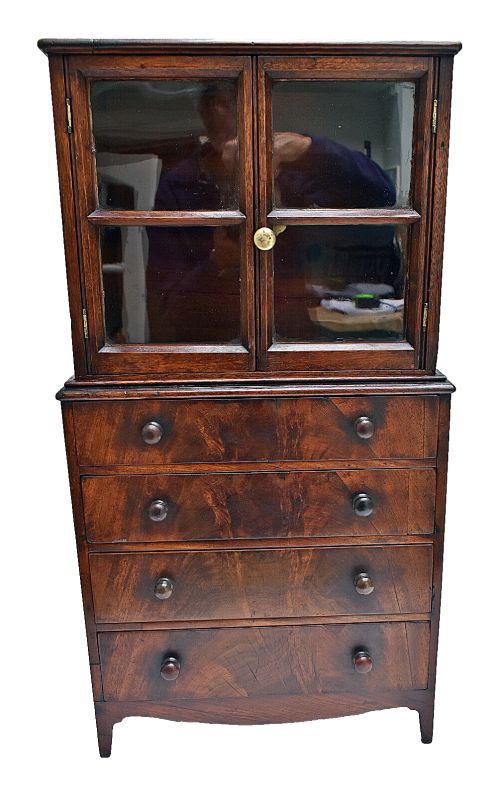
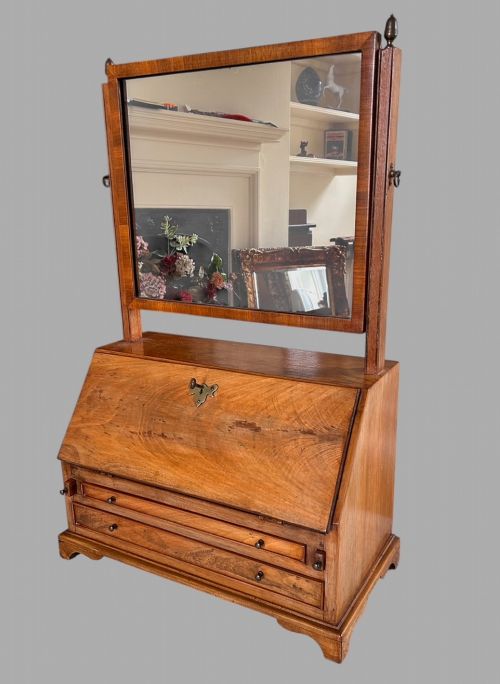
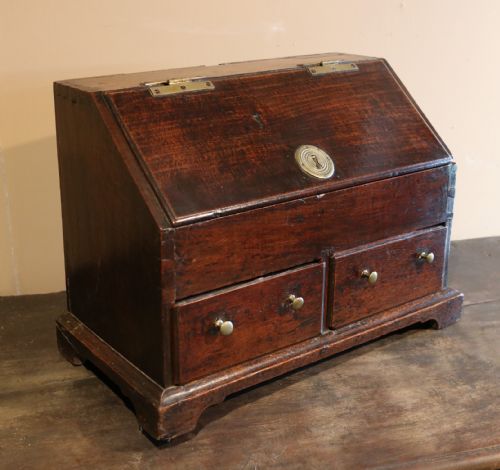
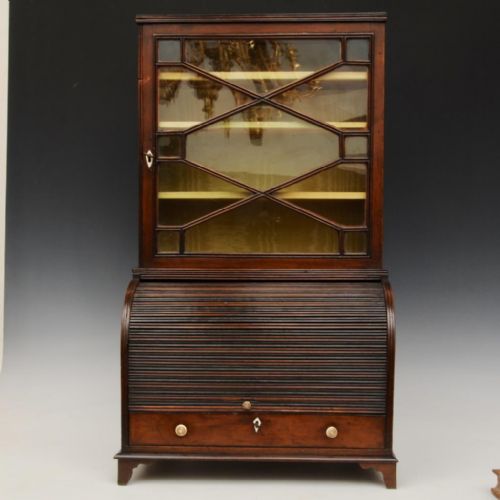
A miniature bureau is a diminutive writing desk designed with a sloping fall front or cylinder lid, offering functional compartments on a small scale. These charming pieces appear in forms such as table-top bureaux, escritoires, and bureau bookcases.
Most examples encountered here date from the 18th and 19th centuries, spanning the Georgian, Victorian, and Edwardian periods. Makers produced them as apprentice pieces, salesman samples, or specialised children's furniture.
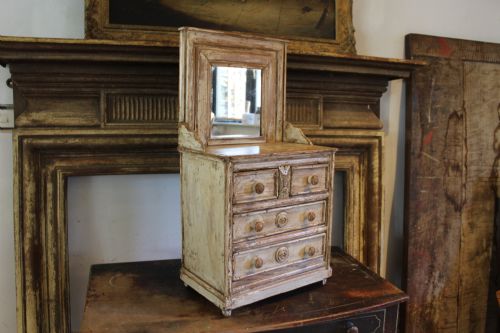
Styles range from simple oak and mahogany constructions to elaborate French Provincial, Baroque, and Edwardian Sheraton Revival designs. Some feature supplementary elements like dressing mirrors, revolving tabernacles, or display cabinets.
Materials and construction
Cabinetmakers utilised timber such as mahogany, walnut, oak, satinwood, and pine as the structural foundation for these small desks. Finer examples display figured veneers, parquetry, and contrasting stringing to enhance the visual depth of the wood.
Hardware consists of small brass handles, escutcheons, and hinges scaled precisely to match the reduced proportions of the desk. Interior fitments include tiny pigeonholes and drawers assembled with traditional dovetail joints.
Miniature Bureau Retail Price Guide 2026
Typical asking prices for miniature bureau among the pieces listed under this phrase on Sellingantiques today, from the lower quarter to the upper quarter. They describe what is for sale here now, not the wider market.
Materials span mahogany, walnut, oak, satinwood, and pine, occasionally enhanced by mirror glass.
Distinctions in quality
The standard of timber selection and veneer matching defines the upper tier of these pieces, alongside the precision of the miniature dovetails and drawer linings. Superior examples maintain exact architectural proportions rather than looking merely like clumsy reductions.
Hardware authenticity and the complexity of the interior fitments, such as secret compartments or revolving tabernacles, elevate the workmanship. The smoothness of the fall front action and the crispness of any applied carving or parquetry further separate fine items from simpler workshop productions.
Edwards & Roberts
The Miniature Bureau Glossary
- Fall front
- A hinged writing flap that pulls down to reveal an interior fitted with small drawers and pigeonholes. It serves as the primary writing surface on a bureau.
- Escritoire
- A small writing cabinet featuring a sloping lid or fall front enclosing multiple compartments. The term derives from the French word for writing desk.
- Parquetry
- A geometric mosaic of wood pieces used for decorative surfaces on furniture. Craftsmen arrange contrasting timbers to create patterned geometric designs.
- Tabernacle
- A central architectural compartment within a desk interior, often framed by small drawers. It forms an enclosed focal point beneath the pigeonholes.
Miniature Bureau: Frequently Asked Questions
What is a miniature bureau?
A miniature bureau is a scaled-down writing desk featuring a sloping fall front and internal drawers. They replicate full-sized furniture designs for specific domestic or professional uses.
Craftsmen built them using the same traditional techniques and fine timbers found in standard furniture. Their compact dimensions allowed them to sit upon tables or chests.
Were these desks made for children?
Some small bureaux were indeed constructed as children's furniture for wealthy households. These pieces allowed young users to practice penmanship at a proportional height.
Other small examples served different purposes entirely, such as trade samples for travelling salesmen. Apprentices also built them to prove their technical proficiency to master craftsmen.
How do I date a miniature bureau?
Dating relies on identifying the primary timbers, construction methods, and prevailing decorative styles. Georgian pieces often feature solid mahogany or oak, while later Victorian and Edwardian examples might incorporate satinwood or elaborate veneers.
Hardware styles, dovetail construction, and secondary woods inside the drawers also provide clear chronological indicators. Comparing the piece to documented furniture styles helps narrow down its period of origin.
How should I display a miniature bureau?
These desks suit placement on sturdy tabletops, sideboards, or dedicated display cabinets where their small scale can be appreciated. Keeping them away from direct sunlight and radiators protects the aged wood and delicate veneers from drying out.
Internal compartments provide safe storage for small trinkets or stationery. The fall front can remain closed to display the exterior grain or opened gently to showcase the fitted interior.