




Millegrain Diamond Halo Ring
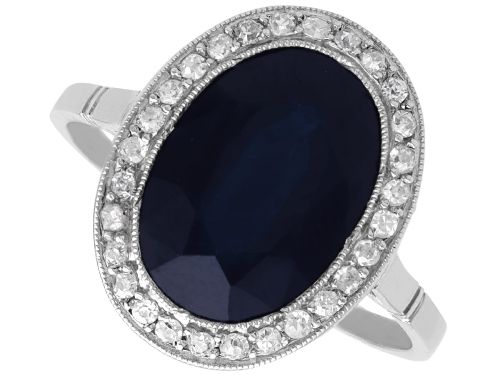
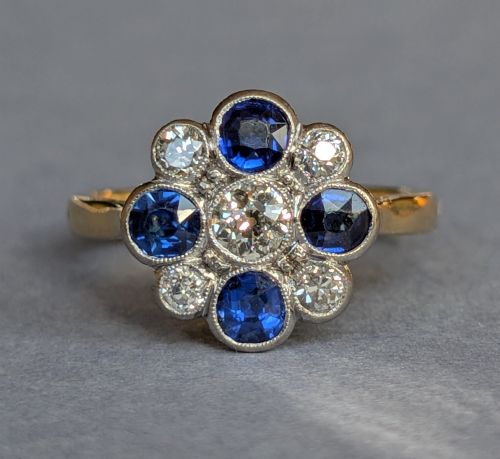
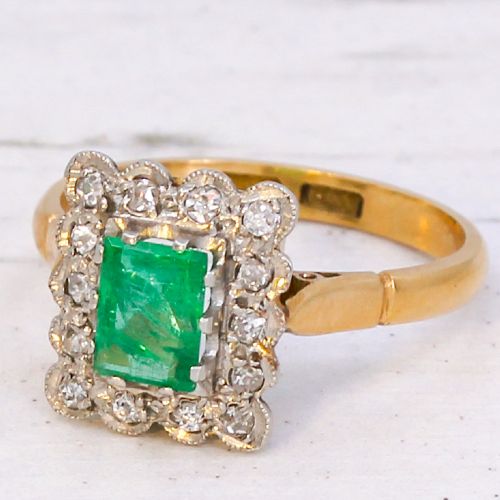
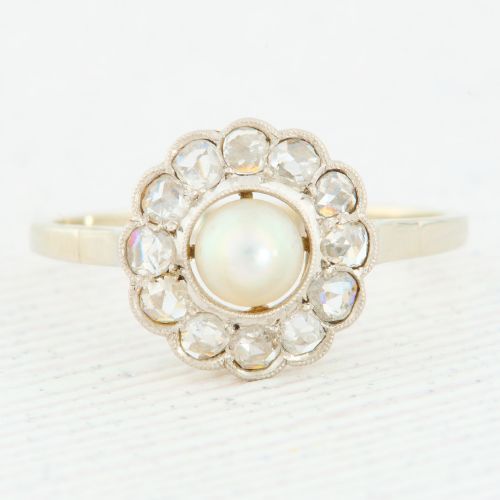
A millegrain diamond halo ring brings together delicate beaded platinum edges and clustered stones, offering a timeless geometric charm collectors seek.
Millegrain Diamond Halo Ring
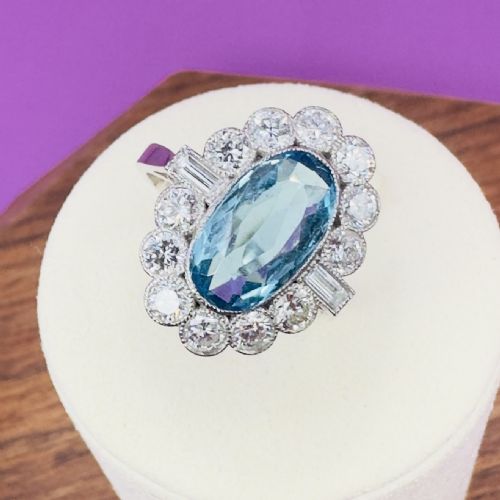
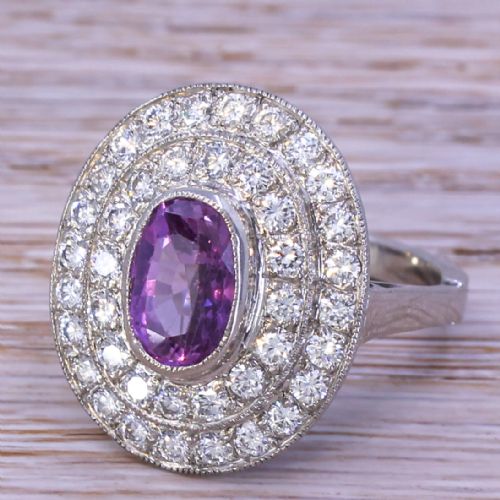
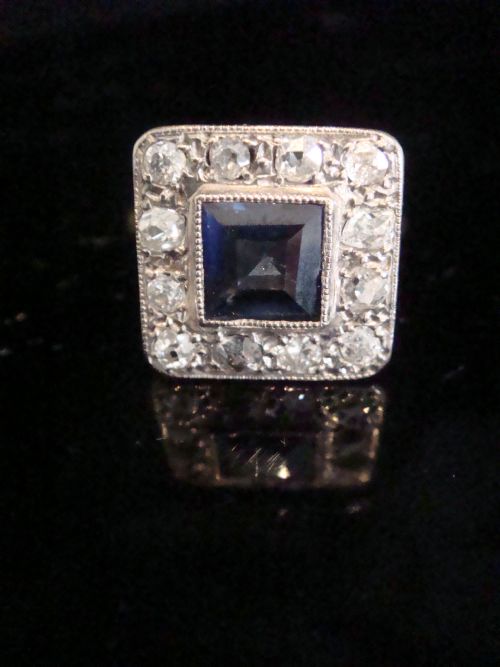
A millegrain diamond halo ring is an intricate piece of jewellery featuring a central gem surrounded by a border of smaller diamonds, defined by fine beaded metalwork along the bezel. These pieces appear frequently in Edwardian, Art Deco, and mid-century designs, spanning periods from nineteen-ten through to the nineteen-sixties.
The selections on this page encompass cluster rings and double halo arrangements, often combining diamonds with sapphires, pearls, or aquamarines. Settings utilise platinum, eighteen-carat white gold, and yellow gold to frame the central stones.
How they were made
Goldsmiths set diamonds and coloured stones such as sapphires and emeralds into platinum and eighteen-carat white gold mounts, using old cut and calibre cut stones tailored to geometric layouts. The characteristic millegrain finish involves rolling a specialised tool along the edge of the metal to raise tiny, uniform beads that frame the stones.
Craftsmen built these clusters by hand, mounting pearls and aquamarines alongside diamonds to create layered halos and elongated oval configurations characteristic of the early twentieth century.
Materials paired with diamonds across the available selection include natural pearls, aquamarines, and Ceylon sapphires.
What varies in quality
The refinement of the beadwork along the metal edges distinguishes finer examples, where each tiny dot remains crisp and evenly spaced under magnification. The precision of the stone-cutting, particularly in calibre cut sapphires and old cut diamonds, dictates the overall harmony of the halo.
The choice of supporting materials, such as heavy platinum settings versus lighter eighteen-carat gold, alters the structural integrity and presence of the ring on the hand.
The Millegrain Diamond Halo Ring Glossary
- Millegrain
- A decorative technique involving a tiny beaded border pressed into the edge of the metal setting. This finish softens the transition between the metal and the skin, adding texture.
- Halo
- An arrangement of smaller gemstones encircling a larger central stone. This layout enhances the perceived scale and brilliance of the centre gem.
- Cluster ring
- A design grouping multiple stones closely together rather than featuring a single solitaire. These configurations often combine diamonds with pearls or sapphires.
- Old cut
- A diamond cutting style prevalent in the antique and Edwardian periods featuring a smaller table and higher crown. These stones produce a distinctive softer glow under candlelight.
- Calibre cut
- Gemstones specifically shaped and cut to fit tightly together in geometric patterns without visible metal between them. This technique is typical of Art Deco jewellery.
Millegrain Diamond Halo Ring: Frequently Asked Questions
What periods do these rings come from?
The pieces span several decades, primarily originating from the Edwardian era and the nineteen-twenties Art Deco period, alongside later mid-century and nineteen-fifties examples.
Each era brings distinct stylistic traits, from delicate platinum wirework to bolder geometric cluster formations.
How do I wear a halo ring daily?
Millegrain settings require mindful care due to the delicate beaded edges that frame the central stones.
Pairing the ring with a fitted wedding band or wearing it alone helps prevent excessive friction against other jewellery.
What stones accompany the diamonds?
Sapphires, pearls, and aquamarines frequently appear alongside diamonds in these cluster configurations.
Coloured gems are often shaped as cabochons or calibre cuts to fit the surrounding halo.
How do I identify Art Deco style?
Art Deco rings utilise symmetrical geometry, contrasting white metals, and tightly fitted calibre cut stones.
The aesthetic emphasises clean lines and intricate millegrain detailing around the diamond borders.