


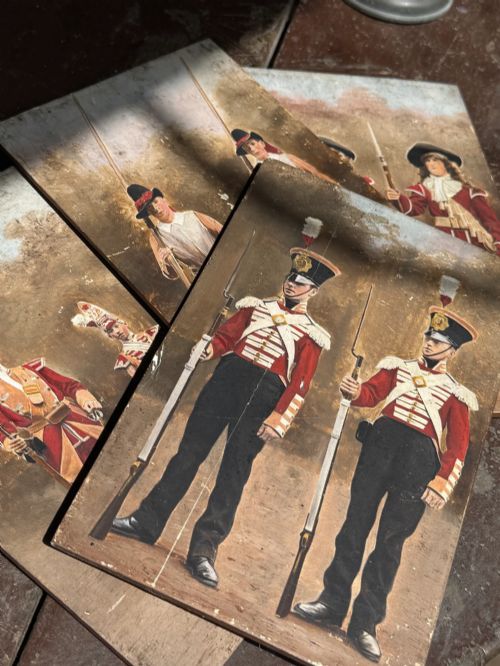


Military Uniform Painting
When you search for a military uniform painting, you encounter centuries of portraiture depicting soldiers, officers, and naval commanders in official dress.
Military Uniform Painting
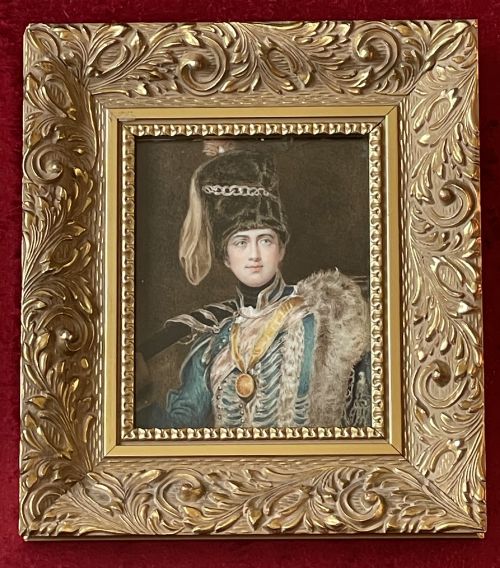
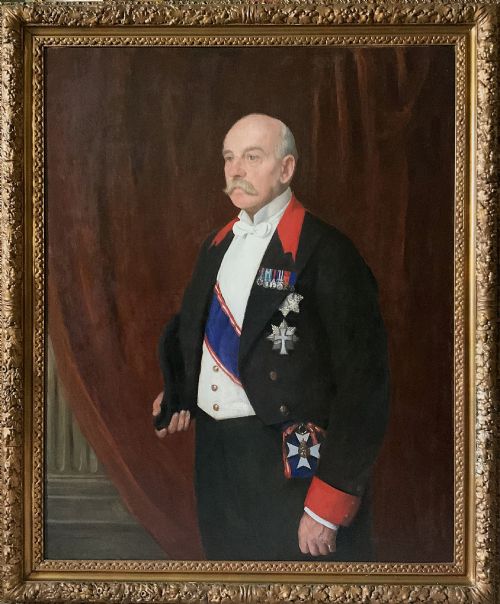
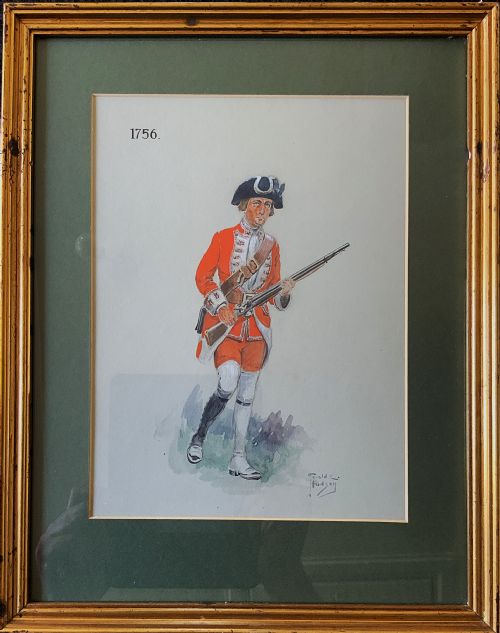
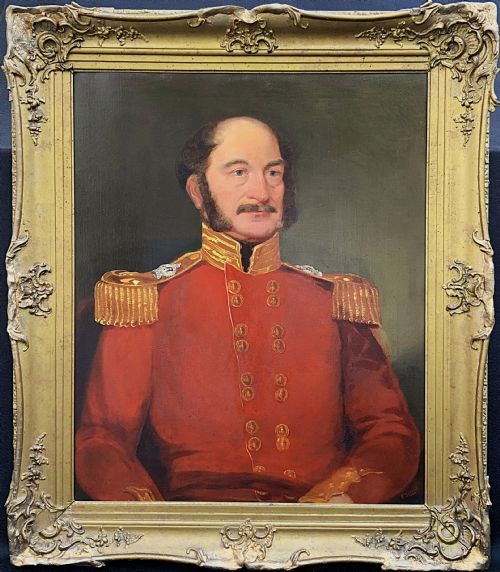
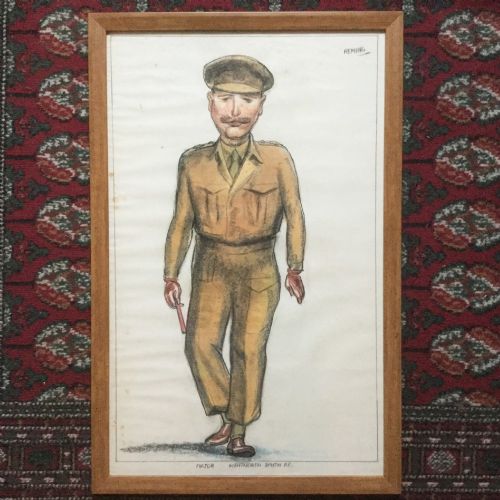
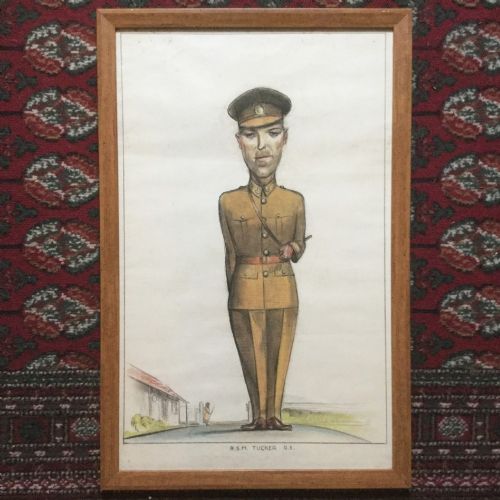
A military uniform painting captures individual service members, generals, and monarchs from the eighteenth century through to the mid-twentieth century. These works appear primarily as oil paintings on canvas, delicate watercolours, pastels, and gouache sketches on paper.
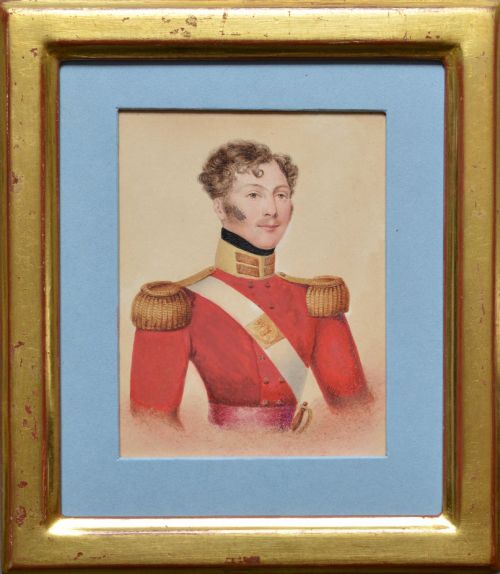
The subjects wear the precise regalia of their regiments, ranging from red coats and naval jackets to ceremonial tunics and wartime service dress. Victorian and Georgian examples sit alongside twentieth-century depictions of officers and commanders.
Works on this page span diverse schools, including British and French traditions, capturing figures like admirals, generals, and regiment personnel in formal portraits or field sketches.
Materials and technique
Artists relied primarily on oil paint applied to canvas or wood panels for formal commissions, allowing for rich depictions of gold braid, medals, and fabric textures. Watercolours, pastels, and gouache on paper served for rapid sketches, wartime drawings, and intimate portrait miniatures.
Support materials range from traditional stretched canvas and paper to wooden panels, paired with mediums selected for durability and precision in rendering intricate military insignia and facial likenesses.
Military Uniform Painting Retail Price Guide 2026
Typical asking prices for military uniform painting among the pieces listed under this phrase on Sellingantiques today, from the lower quarter to the upper quarter. They describe what is for sale here now, not the wider market.
Certain military gentlemen found time amidst campaigning to pose alongside their King Charles Spaniels.
Quality variations
Quality rests in the precision of the uniform details, the accuracy of the regalia, and the anatomical competence of the portrait. Master painters render medals, lace, and facial expressions with sharp clarity and depth.
Weaker examples rely on formulaic brushwork and generic uniform rendering, whereas superior works capture the specific psychological presence of the sitter alongside exact regimental distinctions.
Sir Thomas Lawrence·Henry Hoppner Meyer·John Irvine·Albert Ferdinand Le Dru·Aubrey Sykes
The Military Uniform Painting Glossary
- Regalia
- The distinctive clothing, medals, and insignia worn by military personnel to denote rank and regiment. These details help date and identify the sitter in historical artwork.
- Portrait miniature
- A small, highly detailed painting, often executed on vellum, card, or ivory, popular for intimate likenesses of officers before photography.
- Gouache
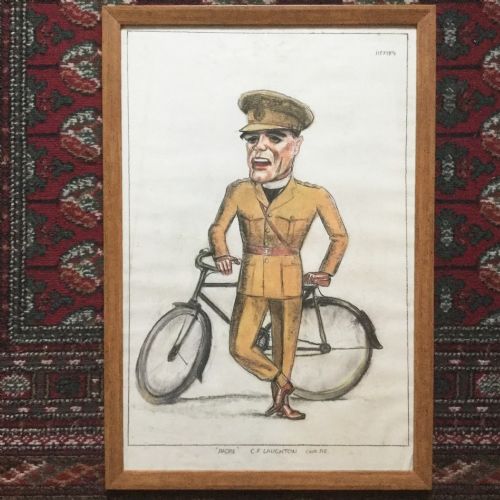
- An opaque water-based medium that provides solid blocks of colour and sharp detail, frequently utilised in wartime sketch drawings.
- Pastel
- A dry drawing medium of powdered pigment and a binder, used to capture soft textures in swift officer studies.
- Provenance
- The documented history of a artwork's ownership and origin, establishing authenticity and historical context.
Military Uniform Painting: Frequently Asked Questions
How do I identify the regiment?
Examine the specific colours of the facings, the pattern of the lace, and any visible cap badges or shoulder belt plates shown in the artwork.
Matching these details against military dress regulations of the stated period usually reveals the specific regiment or service branch.
Are these works always contemporary to the sitter?
Most pieces represent the sitter during their active service or lifetime, painted from direct observation or formal sittings.
Some examples reflect retrospective or commemorative depictions created decades later by artists working in historical styles.
How should I display works on paper?
Watercolours, pastels, and gouache require protection from direct sunlight to prevent fading of the delicate pigments used in uniforms and backgrounds.
Utilise acid-free mounts and UV-filtering glass when framing to preserve the paper support over time.
What distinguishes an oil painting from a sketch?
Oil paintings on canvas or panel involve layered applications of viscous paint designed for permanent, formal display in institutional or domestic settings.
Sketches in pastel or watercolour on paper were often executed rapidly in the field or as preparatory studies for larger canvases.