



Military Enamel Silver
Military enamel silver combines regimental insignia with precious metal work, offering collectors tangible pieces of operational history.
Military Enamel Silver
Military enamel silver encompasses items bearing official regimental badges, patriotic flags, and service insignia rendered in coloured glass paste upon sterling silver. Buyers find objects ranging from utilitarian trench accessories to presentation pieces commissioned for officers.
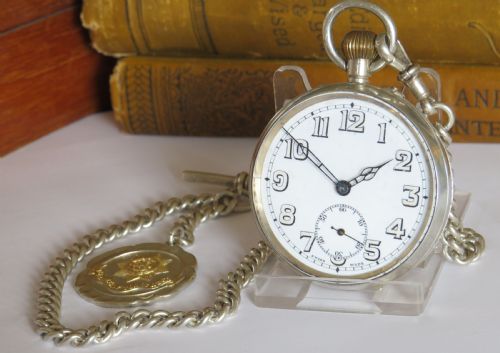
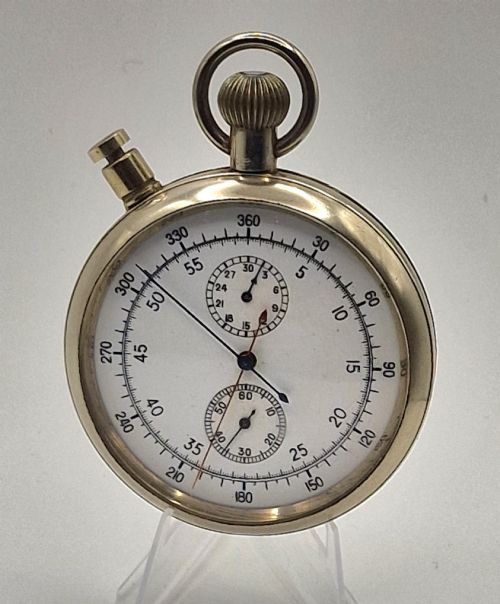
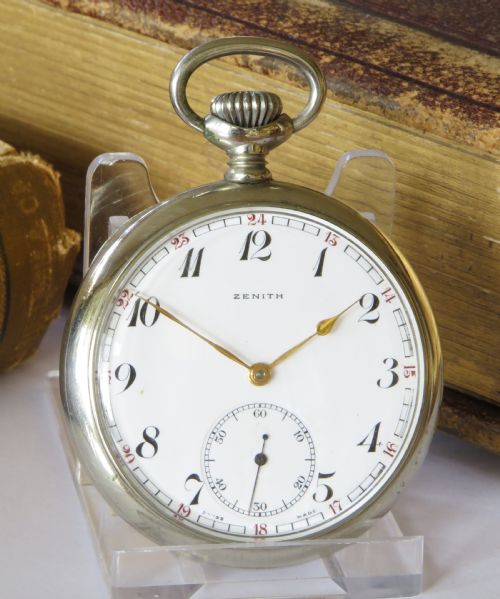
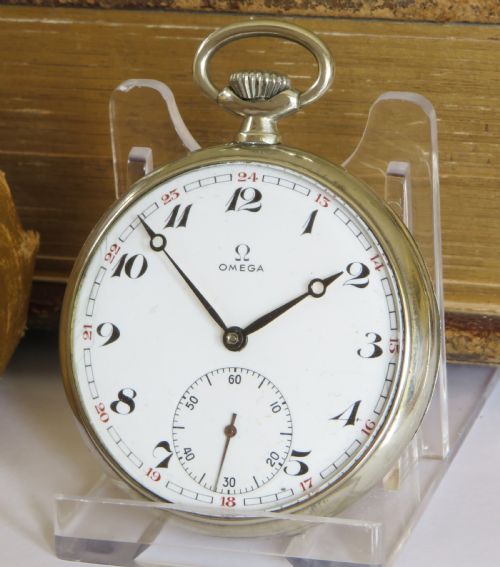
The selections span late Victorian origins through the First and Second World Wars, alongside mid-century pieces. Common forms include vesta cases, cigarette cases, menu holders, decorative boxes, and pocket or cockpit watches.
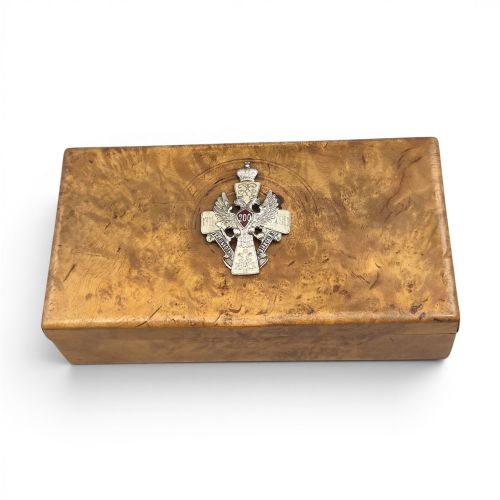
Imperial Russian, British, French, and Ottoman forces all feature within this category, reflecting international military traditions. Enamelled regimental colours and crests serve as the primary unifying motif across these diverse functional items.
Materials and construction methods
Silversmiths constructed the foundational bodies using sterling silver, sometimes pairing the metal with glass, steel, nickel, or Karelian birch. Cases and boxes rely on robust silver hinges and bezels designed for field durability.
Enamel work involves fusing powdered glass to metal surfaces under high heat to create vitreous coloured designs. Regimental badges often utilise translucent or opaque champlevé and guilloché enamelling techniques set directly into the silver mount.
Military Enamel Silver Retail Price Guide 2026
Typical asking prices for military enamel silver among the pieces listed under this phrase on Sellingantiques today, from the lower quarter to the upper quarter. They describe what is for sale here now, not the wider market.
Listings incorporate items from the 1880s through the 1950s, spanning Victorian, Edwardian, and mid-century design periods.
Quality and craftsmanship variations
The clarity and precision of the enamel work dictate overall quality, where tight borders around colours and unblemished surfaces separate superior pieces from simpler output. Hand-painted regimental details and multi-coloured flags demand high skill from the enameller.
The weight and gauge of the sterling silver foundation influence durability and feel. Maker attribution to known firms like Sampson Mordan or Elliott Brothers elevates a piece above unmarked workshop productions.
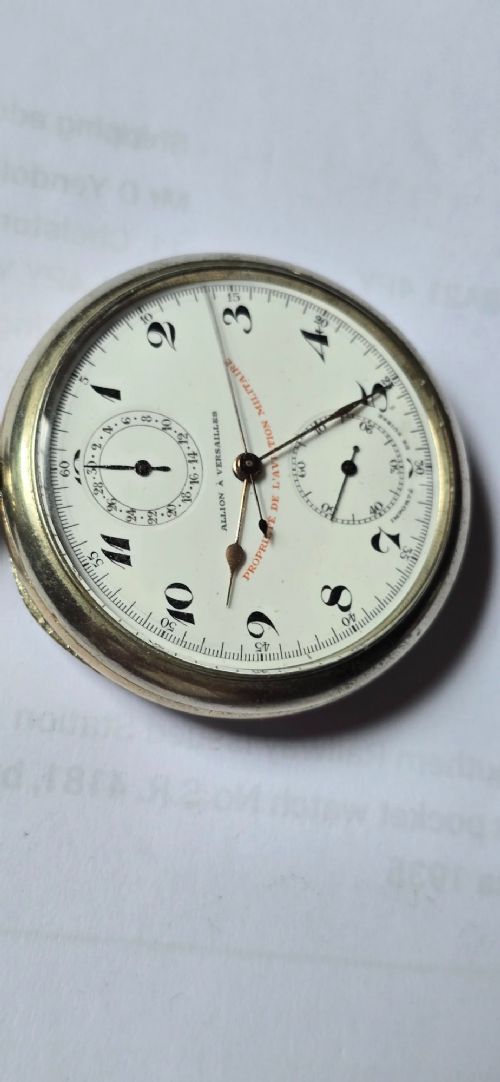
Allion of Versailles·Sampson Mordan·West End Watch Co·Elliott Brothers London
The Military Enamel Silver Glossary
- Vesta case
- A small portable container designed to hold matches, typically fitted with a striking strip on the base. Victorian examples in this category often feature spring-loaded lids and applied enamel crests.
- Menu holder
- A small desk or dining accessory used to display place settings or meal options. Military sets frequently incorporate enamelled regimental flags or unit insignia.
- Cockpit watch
- A specialised timepiece mounted within an aircraft instrument panel during active service. These mechanical watches utilise robust steel and silvered housings to withstand flight vibrations.
- Guilloché
- A decorative technique where a precise repeating pattern is mechanically engraved into the underlying metal before translucent enamel is applied. This creates a shimmering, light-reflective background beneath the colour.
Military Enamel Silver: Frequently Asked Questions
How do I identify a regimental enamel badge?
Regimental badges display specific unit mottos, crowns, and animals or crests associated with particular branches of service. The coloured enamel highlights the official heraldic colours of the regiment.
Matching the symbols to historical military records confirms the specific unit and operational context of the piece.
Were these items issued or private purchase?
Many pieces were private purchases acquired by officers through regimental tailors and silversmiths. Others served as presentation items or mess property.
Watches and specific timing instruments were frequently official military issues, while decorative boxes and cigarette cases lean toward personal acquisition.
How should I clean silver with enamel?
Silver components require gentle polishing with a soft cloth to avoid abrading the adjacent glass enamel. Chemical dips must be avoided as they can damage vulnerable enamel fills.
Keeping the pieces dry and storing them away from direct sunlight protects the integrity of the coloured glass work.