



Mid Victorian Bench
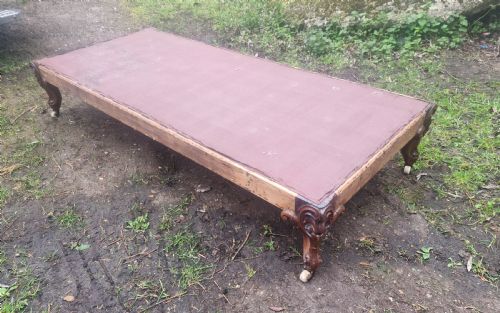
These mid victorian bench examples are solid timber seating pieces designed for hallways, windows, and formal rooms, offering sturdy construction and period upholstery.
Mid Victorian Bench
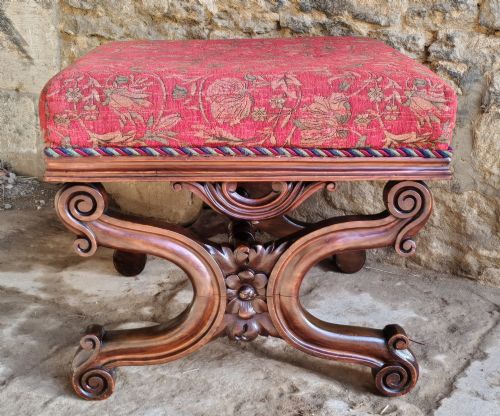
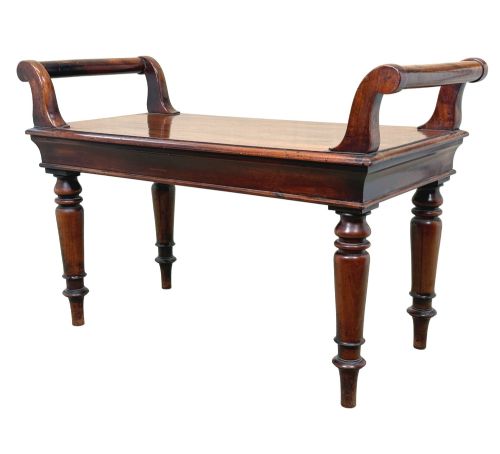
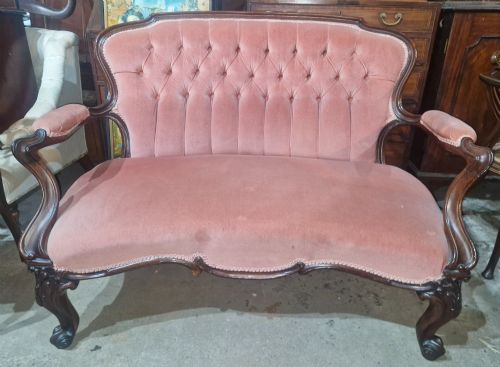
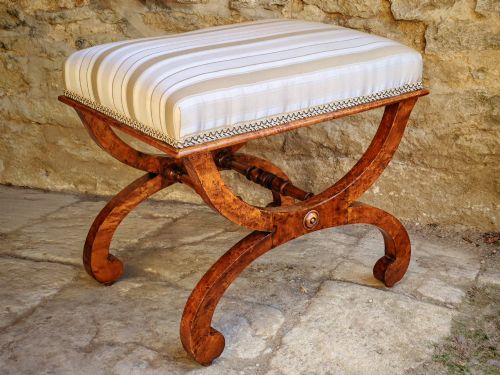
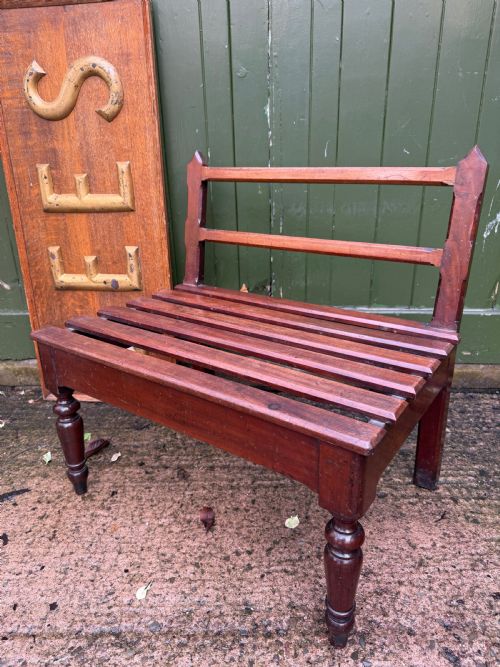
A mid victorian bench serves as practical seating for hallways, bedroom ends, and window recesses, taking forms such as window seats, hall benches, ottomans, and luggage stands. These pieces reflect the varied domestic functions of the nineteenth century, ranging from country-house luggage stands to carved rosewood centre stools.
The most common versions on this page are mahogany and oak window seats or hall benches, often featuring upholstered tops and carved wooden frames. Pieces span the Victorian era with influences from Regency, Louis XV Revival, and Reformed Gothic styles.
How they were made
Cabinet makers utilised dense hardwoods including mahogany, rosewood, oak, walnut, and burr elm for the structural frames, often incorporating decorative carved details. These timbers were selected for their durability and grain pattern, forming stable supports for daily use.
Upholstered elements involved fabric and textile coverings applied over lift-out seats or fixed frames. Brass hardware and cast iron also appeared on specific utility pieces like garden benches and luggage stands.
One robust luggage stand arrived equipped with a raked rear upstand specifically to stop trunks from sliding off.
What varies in quality
The refinement of the timber carving and the choice of secondary woods set superior examples apart from standard utility items. Selecting figured timbers such as burr maple or burr elm indicates a higher tier of production.
Structural integrity of the joint work and the preservation of original frame details determine the standing of each piece. Surviving upholstery systems and intact carved mouldings reflect the initial investment in craftsmanship.
The Mid Victorian Bench Glossary
- Window seat
- A long, narrow bench designed specifically to fit within the architectural recess of a window. These pieces typically feature upholstered tops and low backs or arm supports.
- Hall bench
- A rigid wooden seating item placed in entrance hallways, occasionally incorporating panelled backs or storage. They were built to withstand heavy traffic near the front door.
- Centre stool
- A freestanding stool designed to be viewed from all sides, frequently placed in the middle of large rooms. They often share stylistic traits with matching settees and window seats.
- Luggage stand
- A low bench-like stand with a raised rear upstand support, used in country houses for placing trunks and bags. They utilise deep proportions and sturdy timber frames.
- Reformed Gothic
- A nineteenth-century design style that reinterpreted medieval architectural motifs with structural honesty. Furniture in this manner displays geometric lines and disciplined carved ornament.
Mid Victorian Bench: Frequently Asked Questions
Where did people put a mid victorian bench?
These benches were placed in entrance halls, bedrooms, and along window bays depending on their specific form. Hall benches sat near entryways for convenience, while window seats utilised natural light.
Larger centres stools and luggage stands served reception rooms and guest chambers across country houses.
How do I date a mid victorian bench?
Dating relies on observing the combination of timber choices, construction methods, and decorative styles visible across the frame. Stylistic markers range from Regency survivals to Reformed Gothic geometry.
Secondary woods and carving depth help narrow the period of production within the nineteenth century.
Are these benches comfortable to sit on?
Many examples feature padded textile or fabric upholstered surfaces designed for functional seating. Lift-out seats and generous proportions provide practical comfort for domestic use.
Some variants, such as luggage stands or un-upholstered hall benches, were built primarily for supporting objects rather than long seating.
What is the difference between a stool and a bench?
Benches generally offer a longer seating platform suited for multiple persons or extended window spaces. Stools tend to be more compact, functioning as centre seats, footstools, or movable perches.
Both categories utilise similar timber frames and upholstery methods from the Victorian period.