


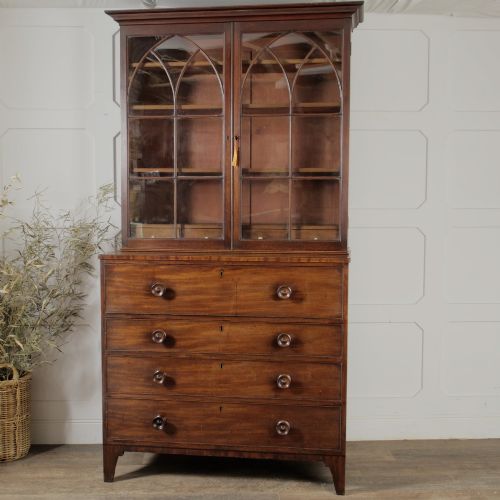
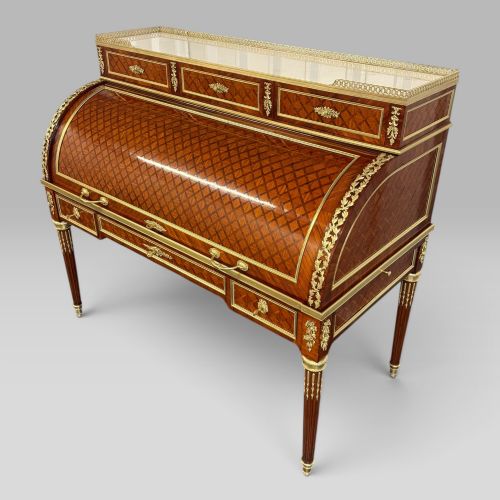
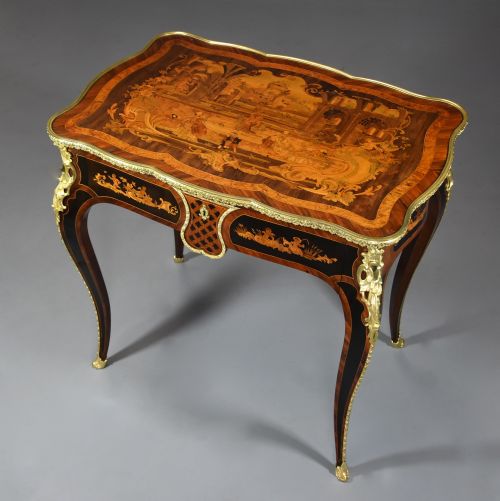
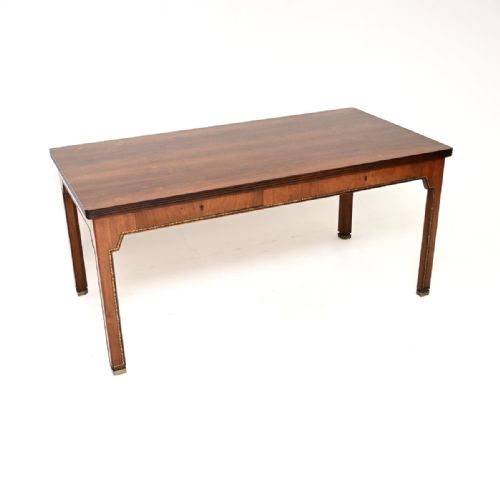


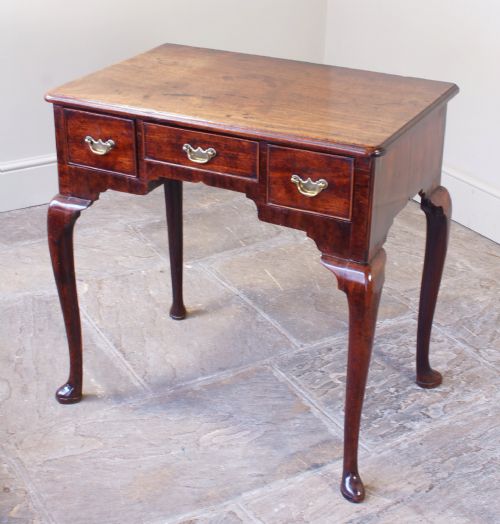
Mid Century Writing Desk
A mid century writing desk brings centuries of cabinetmaking skill into a room, offering functional workspace finished in mahogany, walnut or oak.
Mid Century Writing Desk
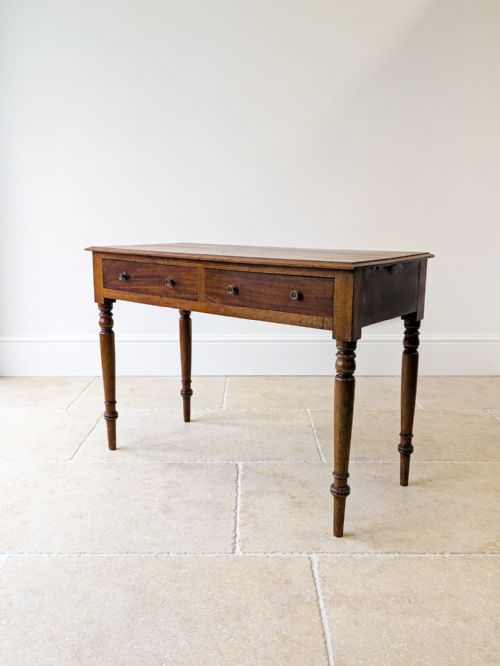
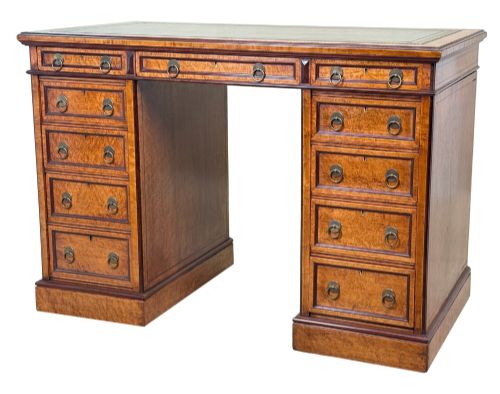
A mid century writing desk encompasses compact Davenport desks, bureau bookcases, pedestal desks and writing tables originating from the eighteenth, nineteenth and twentieth centuries. Buyers seeking a mid century writing desk encounter campaign writing slopes, pedestal desks in mahogany or walnut, and Art Deco designs in oak and rosewood. These pieces served diverse roles in period homes, from grand libraries to travelling officers' quarters.
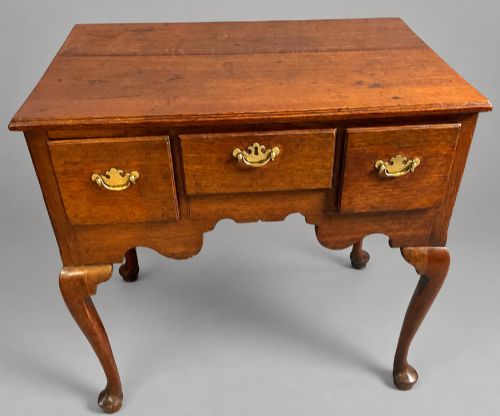
The selection ranges from Georgian lowboys and bureau cabinets to Victorian Davenport desks and Danish modern workspaces. Pieces frequently incorporate fitted interiors with satinwood, leather surfaces and brass mounts.
Most items on this page date from the nineteenth century, alongside eighteenth-century bureau tables and twentieth-century modernist desks.
Materials and construction
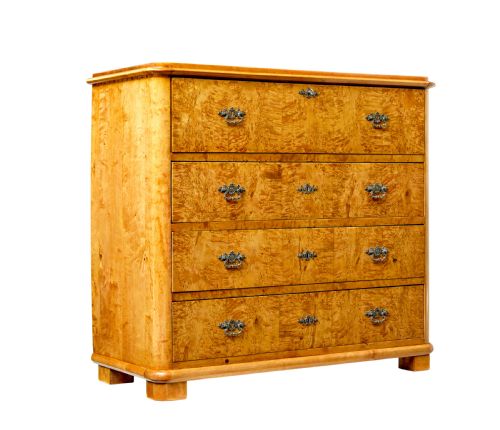
Construction relies on solid timbers and decorative veneers including mahogany, burr walnut, oak, kingwood and rosewood. Cabinetmakers utilised dovetail joints for drawers and applied brass hardware, leather writing inserts and hand-carved ormolu mounts.
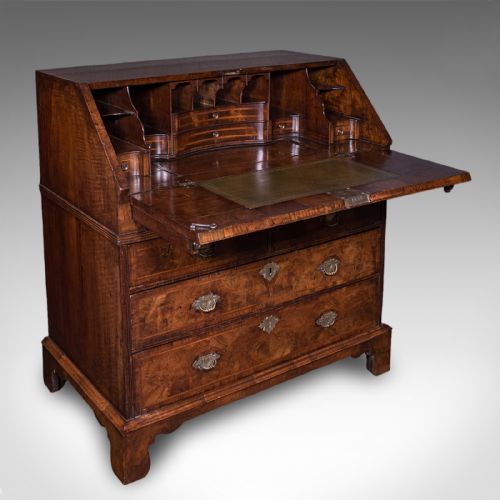
Surfaces feature parquetry, marquetry or polished wood grain, complemented by fitted pigeonholes and secret compartments within writing slopes and bureau chests.
Mid Century Writing Desk Retail Price Guide 2026
Typical asking prices for mid century writing desk among the pieces listed under this phrase on Sellingantiques today, from the lower quarter to the upper quarter. They describe what is for sale here now, not the wider market.
Listings feature woods such as mahogany, walnut, oak, kingwood and rosewood across multiple centuries.
Evaluating the standard
Quality depends upon the choice of timber figure, such as burr walnut or birdseye maple, and the precision of the cabinetmaker's joinery. Superior examples display balanced proportions, original brass handles, intact leather writing surfaces and refined internal satinwood drawers.
Lesser pieces exhibit mismatched veneers, replaced hardware or crude structural alterations that diminish the integrity of the original design.
Whitefriars·Étienne Kohlmann·BVRB
The Mid Century Writing Desk Glossary
- Davenport
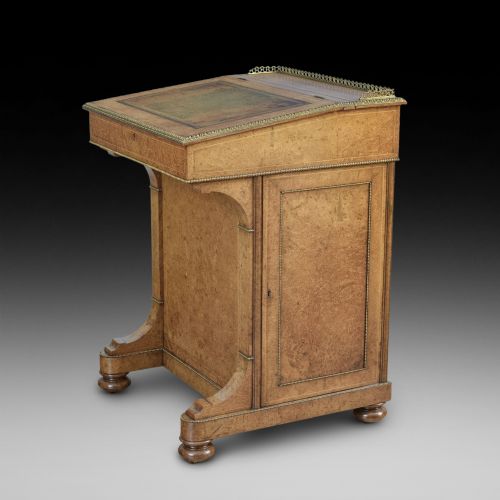
- A small compact desk featuring a sloping writing surface above a pedestal of side drawers.
- Campaign writing slope
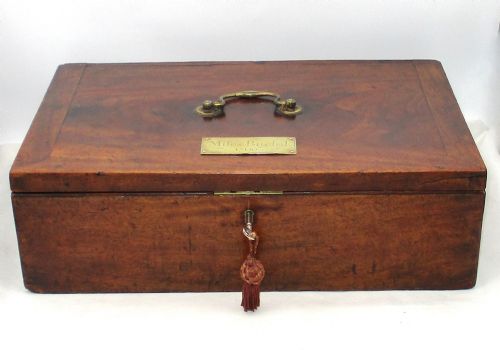
- A portable hinged box fitted for writing, reinforced with brass corners for travel.
- Bureau plat
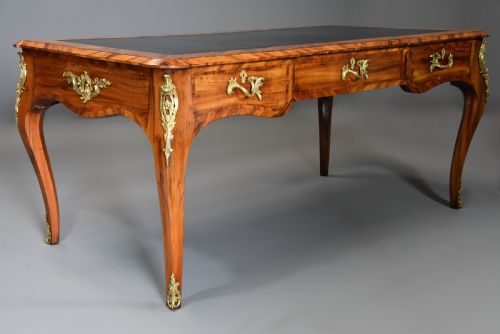
- A freestanding French writing table with a finished back and a leather-lined top.
- Lowboy
- A small seventeenth or eighteenth-century dressing or writing table with one or more rows of drawers.
- Secretaire bookcase
- A tall cabinet combining upper shelving with a pull-out writing drawer or drop-front desk.
Mid Century Writing Desk: Frequently Asked Questions
What is a Davenport desk?
A Davenport is a compact writing desk featuring a sloping, leather-inset top above a pedestal of drawers. The design originated in the late eighteenth century and remained popular through the Victorian era.
Most examples include side drawers that open away from the seated writer and small internal compartments for stationery.
How do I use a campaign slope?
Campaign writing slopes are portable wooden boxes designed for travel by officers and officials. Opening the hinged lid reveals a sloping leather writing surface and storage compartments for inkwells and pens.
Place the closed box on a stable table, release the catches, and unfold the writing surface for use.
Where should I place a bureau plat?
A bureau plat is a freestanding writing table finished on all sides, designed to sit in the centre of a room rather than against a wall. Ensure there is adequate clearance around the table for a chair and movement.
Pair the piece with a low-backed chair to complement its proportions.