


Mid Century Woman Portrait
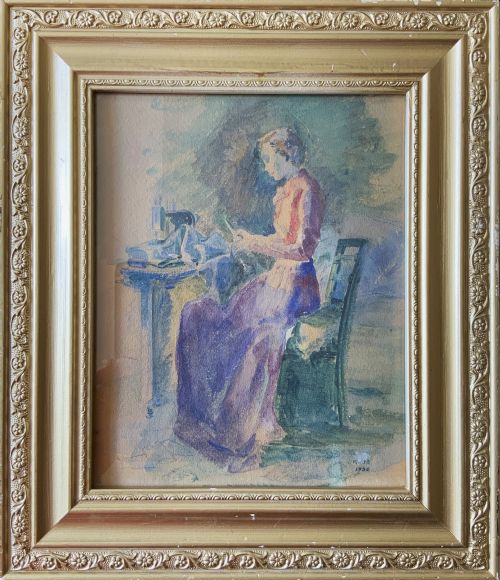
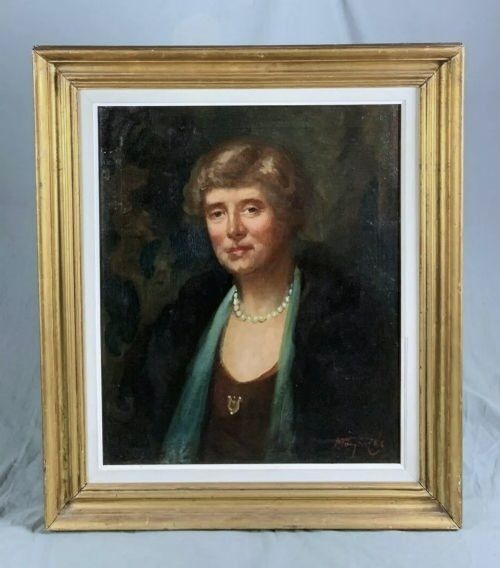
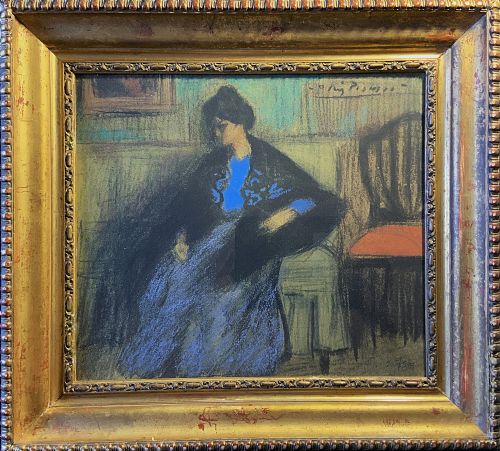
A mid century woman portrait brings character to a room through expressive brushwork and direct gazes captured across various decades.
Mid Century Woman Portrait
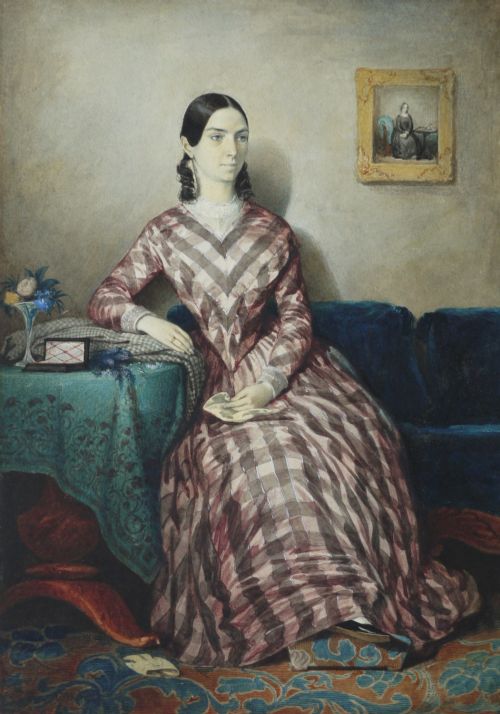
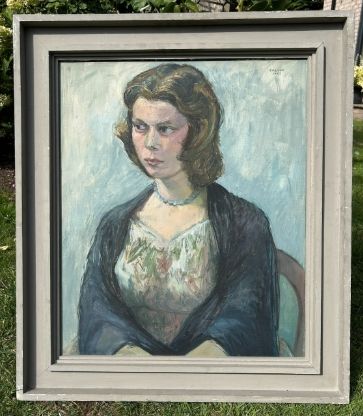
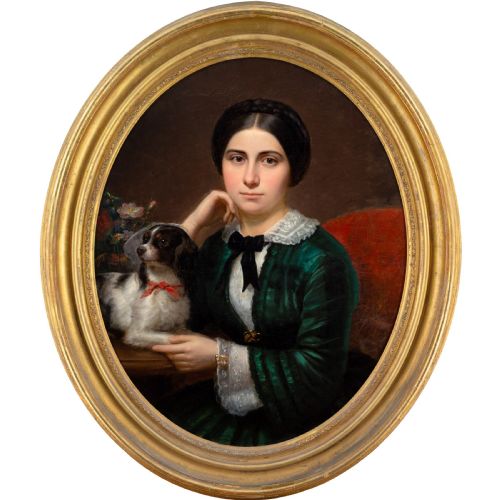
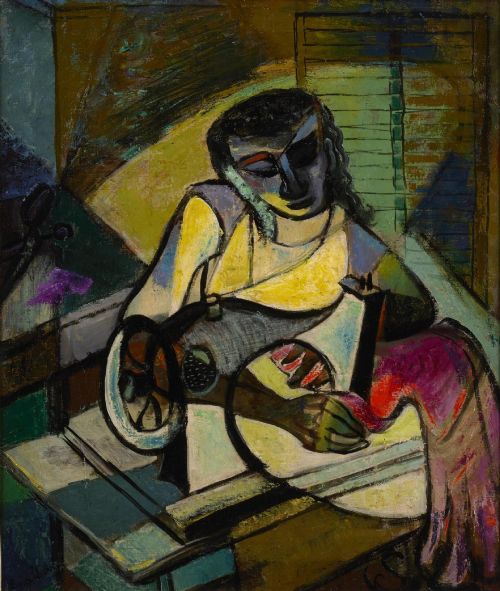
A mid century woman portrait encompasses original paintings, oil paintings on canvas, watercolours, prints, and sculpted busts depicting female subjects. These pieces span multiple decades from the nineteenth century into the mid twentieth century, reflecting shifting artistic approaches.
The version most commonly met on this page is the mid-century oil painting on canvas, often originating from British, French, American, or Russian schools. Artists working in styles such as Mid-Century Modern, Impressionism, and Realism populate the selection.
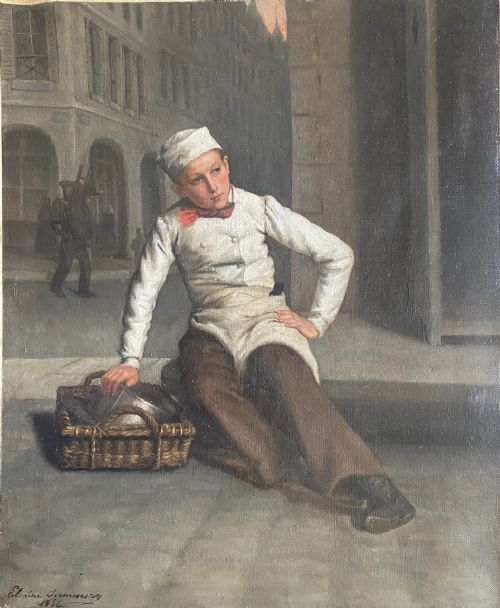
Buyers also encounter Victorian marble busts and nineteenth-century French or German school canvases alongside modernist works from the nineteen-thirties and nineteen-forties. Each object type carries the distinct material footprint of its specific period.
Materials and Techniques
The majority of these works utilise oil paint applied to canvas, wood, or board, accompanied by watercolours on paper and traditional printmaking techniques like lithography and pochoir. Canvases frequently sit within period frames, including gilded wood and giltwood mouldings.
Sculpted pieces rely on carved marble to render three-dimensional busts of female subjects with smooth finishes. Draughtsmanship appears through original drawings and stipple work paintings executed on canvas or paper surfaces.
Materials span oil paint, canvas, wood, paper, glass, giltwood, and marble across multiple decades.
Evaluating the Range
Quality in a mid century woman portrait rests on the sureness of the draftsmanship, the handling of medium, and the expressive strength of the subject's depiction. Works by listed artists and salon-exhibiting painters demonstrate a higher level of compositional confidence.
The relationship between the artist and the sitter dictates the emotional resonance of the piece, whether rendered in a modernist interior or a traditional nineteenth-century setting. Framing also plays a role, with original gilded surrounds enhancing the visual weight of the canvas.
Kenneth Cozens·Lena Gurr·Charles James McCall·Attilio Toro·Yo Mayer·Dod Proctor·Mariette Lydis·John Osborn·Sonia Mervyn·Murphy
The Mid Century Woman Portrait Glossary
- Oil on canvas
- Pigments bound in a drying oil, usually linseed, applied to a stretched fabric support. This combination allows for rich blending and textured brushwork.
- Giltwood
- Wood carved and surfaced with gold leaf or a metallic powder mixture. It provides a reflective, ornamental border for period paintings.
- Lithograph
- A print made from a planographic image on stone or metal plate. Artists use this method to produce multiple original impressions.
- Pochoir
- A stencil-based printing process used to apply crisp, vibrant colours by hand. It appears alongside lithography in illustrated editions and plates.
- Stipple work
- A technique of building up tone and texture through small dots and short touches of paint. It creates a soft, diffused surface appearance.
Mid Century Woman Portrait: Frequently Asked Questions
What periods do these portraits cover?
The selection spans from the nineteenth century through the mid-twentieth century, capturing Victorian aesthetics alongside modernism and mid-century realism.
Different decades bring distinct palette choices and painting techniques, ranging from nineteenth-century academic styles to avant-garde mid-century expressions.
Are these works original art?
Most listings feature original paintings, oil paintings on canvas, watercolours, and unique drawings created by listed artists and regional schools.
A smaller number of items comprise limited edition prints and lithographs produced during the mid-twentieth century.
How should I display a marble bust?
Victorian marble busts require a sturdy, stable surface such as a dedicated column, heavy sideboard, or low table where the weight is evenly supported.
Placement should avoid direct sunlight and fluctuating heat sources to preserve the carved stone over time.
What materials are common in these frames?
Frames frequently consist of wood finished with giltwood or gilding, designed to complement the period of the artwork within.
Some mid-century modernist paintings retain simpler wooden framing that reflects the pared-back aesthetic of the nineteen-thirties and nineteen-forties.