


Seated Lady Oil Portrait
A seated lady oil portrait captures a subject at rest across centuries, offering immediate character and historical presence for a wall.
Seated Lady Oil Portrait
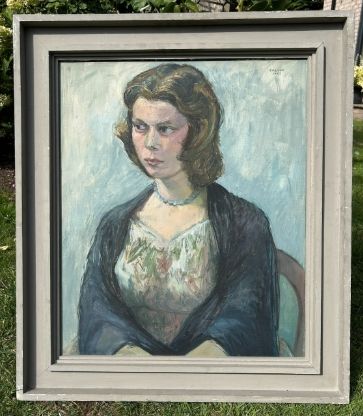
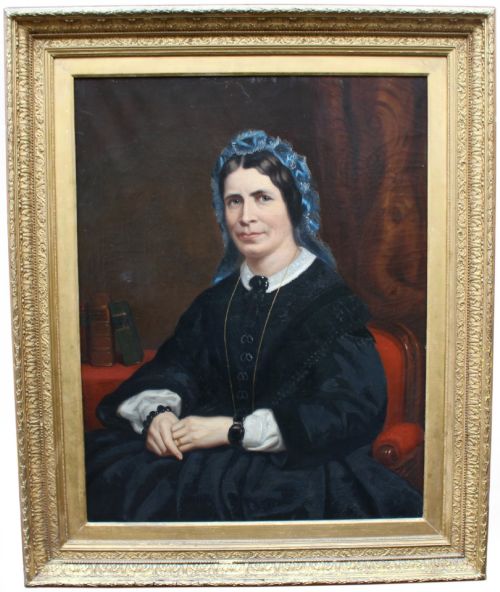
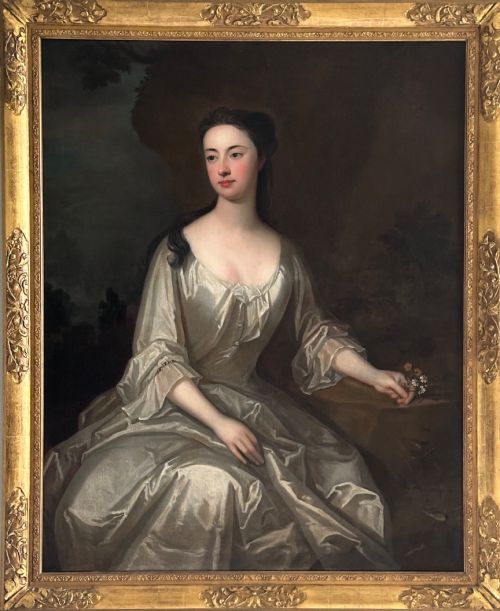
A seated lady oil portrait depicts a woman posed sitting, spanning periods from the early eighteenth century through to the mid twentieth century. These works appear in forms ranging from intimate head and shoulder studies to full length compositions set within landscapes or interiors.
The subjects wear period attire such as white dresses, coral necklaces, blue bonnets, and purple coats, sometimes accompanied by dogs or books. Many pieces originate from British and French schools, whilst others hail from Swedish and broader European traditions.
Buyers encounter works executed by named artists alongside unsigned pieces attributed to specific historical circles. The settings shift from formal garden terraces and classical plinths to simpler parkland backdrops and studio interiors.
Assessing quality
Quality rests upon the skill of the brushwork in capturing facial expression, textile weight, and atmospheric light within the setting. Finer examples display confident handling of anatomy and drapery that brings the subject to life on the canvas.
The preservation of both the oil surface and the original wood or giltwood frame influences the overall integrity of the piece. Works that retain their period framing without heavy restoration offer a more complete historical artefact.
Kenneth Cozens·W R Waters·Adriana Verelst·S Dennant Moss·Smith of London·J Cecil Bradshaw·Dod Proctor·William Owen RA·Willem Wissing·Caspar Netscher·Carl Ljungberg
The Seated Lady Oil Portrait Glossary
- Oil on Canvas
- A traditional painting medium where pigments suspended in drying oils are applied to a woven fabric support. This combination allows for rich colour blending and lasting durability.
- Giltwood
- Wood carved and coated with a thin layer of gold leaf or metallic powder. This material frequently frames antique portraits to enhance their visual presence.
- Gesso
- A plaster mixture applied to wooden frames as a smooth base before gilding or painting. It allows for intricate moulded decorative details.
- Plinth
- A heavy base or pedestal often painted into the background of formal portraits. Subjects are shown sitting near or leaning against this architectural element.
- Post Impressionism
- An artistic movement following impressionism that focuses on symbolic content and expressive use of paint. Works in this style break away from strict academic realism.
Seated Lady Oil Portrait: Frequently Asked Questions
How do I hang a heavy framed portrait?
Ensure your wall fixings engage directly with structural studs or use heavy duty wall anchors suited to plaster and brick. Hang the piece securely using robust picture wire rated well above the weight of the wood and gesso frame.
Position the centre of the canvas at roughly eye level to mimic gallery standards. Consider the surrounding light sources to avoid glare reflecting off the varnished oil surface.
What lighting suits an oil painting?
Display portraits away from direct, harsh sunlight to prevent the oil paint and canvas from fading or drying out over time. Warm, low voltage picture lights or targeted LED spots highlight the detail without generating damaging heat.
Diffuse ambient room light works well to maintain visibility across the canvas. Avoid placing these works directly above active heat sources like fireplaces.
How can I tell the period of a portrait?
Examine the subject's clothing, hairstyle, and accessories, as these details closely follow the fashion trends of their decade of creation. Elements like a coral necklace or a blue bonnet often point directly to specific nineteenth century eras.
Inspect the stretcher bars, canvas weave, and framing materials on the reverse of the work. Older stretchers often feature hand-cut wooden joints and oxidized nails that reveal their age.