




Mid Century Storage Box
A mid century storage box provides practical containment while bringing period character and tactile warmth to a room.
Mid Century Storage Box
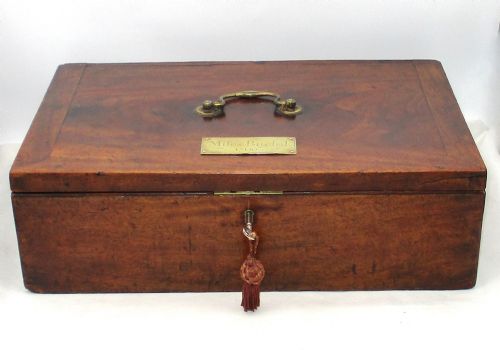
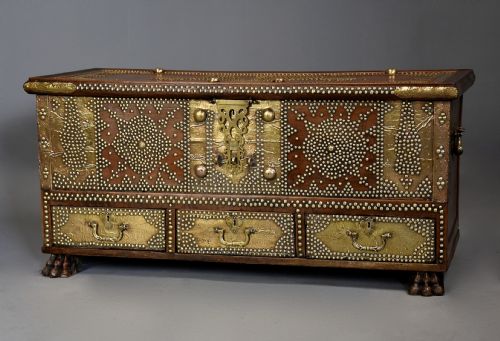
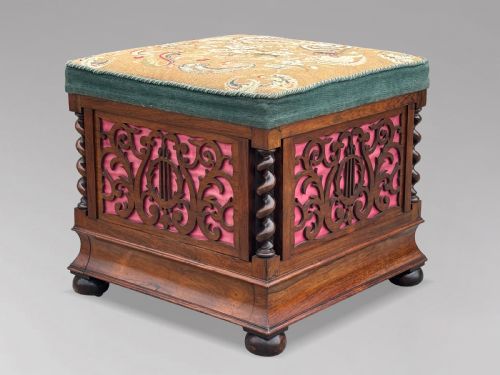
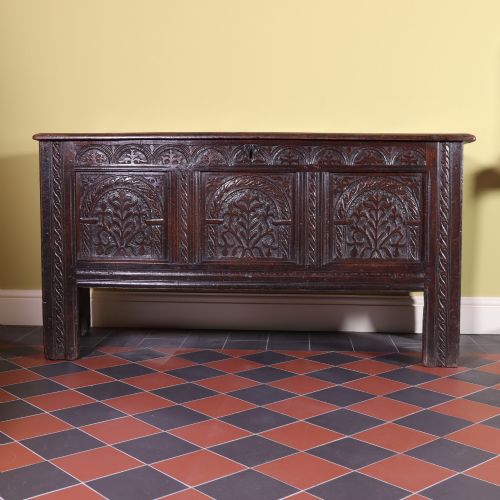
When buyers search for a mid century storage box, they encounter a diverse selection of antique and vintage containers spanning multiple centuries. The selection ranges from compact sewing boxes and document caddies to substantial painted pine coffers and dome top trunks originating from Britain, Scandinavia, and continental Europe.
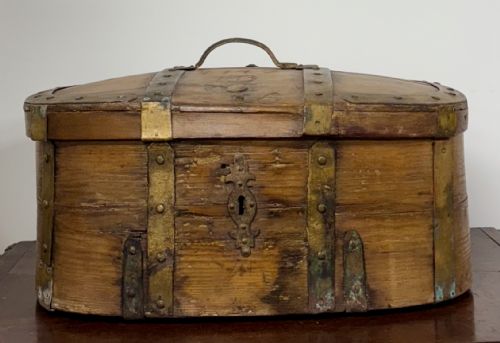
Rather than strictly adhering to the twentieth-century design movement, current listings often encompass earlier pieces originating from the middle periods of the seventeenth, eighteenth, and nineteenth centuries. Buyers frequently meet Swedish painted pine chests and utilitarian strong boxes alongside finely timbered mahogany and rosewood tea caddies.
Functional utility unites these objects, whether intended for holding precious papers, textiles, or valuables. The forms reflect their original purposes, appearing as benches with internal compartments, heavily bound travel chests, and decorative table boxes designed to sit openly in domestic interiors.
How they were made
Makers utilised solid timbers including mahogany, walnut, oak, and pine, often joined with traditional dovetail or panelled construction to ensure durability under heavy loads. Iron, brass, and wrought hardware such as studs, hinges, and lock plates provided structural reinforcement as well as decorative contrast against the wood grain.
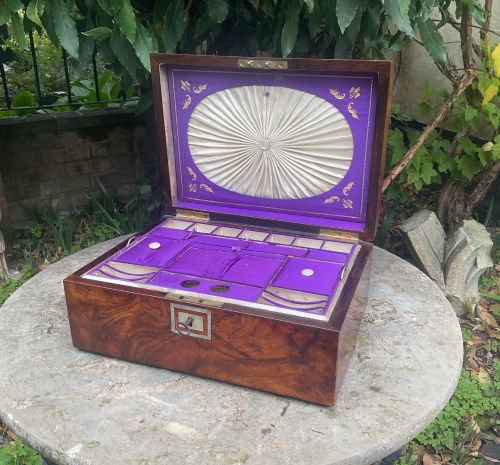
Surface treatments varied widely according to origin and era, ranging from clear polished finishes that highlighted the natural figure of rosewood and cedar to elaborate hand-painted folk art motifs in tempera or oil. Lacquerwork, silver inlay, and intricate marquetry also appear on specialised presentation boxes from both European and global workshops.
Mid Century Storage Box Retail Price Guide 2026
Typical asking prices for mid century storage box among the pieces listed under this phrase on Sellingantiques today, from the lower quarter to the upper quarter. They describe what is for sale here now, not the wider market.
Several survivalist pine strong boxes bear the exact scars of long sea voyages and locked contents.
What varies in quality
The degree of artistic execution in surface ornamentation marks the distinction between standard utilitarian items and superior examples. Hand-painted Swedish folk art and intricate walnut inlay demonstrate a higher level of artisan skill than plain functional containers.
The integrity of original fixings, locks, and internal compartments heavily influences the standing of a piece. Retaining period brasswork, original keys, and untouched interior silk linings elevates the desirability of boxes and chests.
Jennens and Bettridge·Crevillen Paris·Hermes
The Mid Century Storage Box Glossary
- Coffer
- A sturdy wooden chest traditionally used for storing valuables, textiles, or documents. These pieces often feature hinged lids and heavy iron or brass mountings for security.
- Strong box
- A heavily reinforced storage container designed to secure money, legal papers, or precious goods. They frequently incorporate iron straps, strong locks, and durable timber construction such as oak or pine.
- Tea caddy
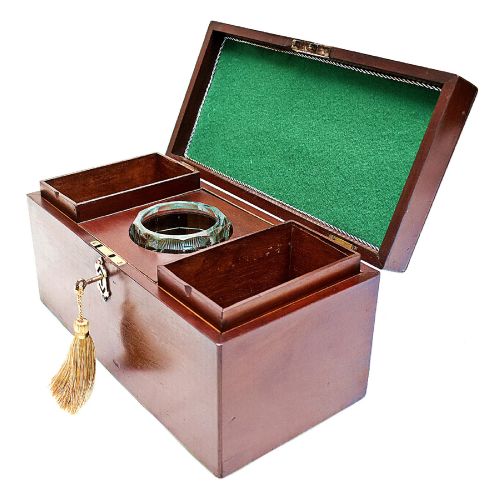
- A specialised small box made to store loose tea leaves, which were once an expensive commodity. Interiors typically contain lidded compartments or space for a mixing bowl.
- Document box
- A portable container proportioned specifically to hold letters, deeds, and important papers. They often feature sloping or flat lids with dedicated interior dividers.
- Dome top
- A curved lid construction utilised on chests and coffers to shed water and provide additional internal height. This form appears frequently on Scandinavian and continental travel trunks.
Mid Century Storage Box: Frequently Asked Questions
What were antique storage boxes used for?
These boxes served specific household functions, from holding tea leaves and sewing supplies to securing legal documents and family valuables.
Larger coffers and trunks accommodated heavy textiles, winter garments, and personal belongings during travel or domestic storage.
How do I identify the period of a wooden chest?
Examination of construction methods, such as hand-cut dovetails, panel thickness, and fastener types, provides the clearest indication of age.
Timber choice and decorative styles also align with distinct historical eras, ranging from seventeenth-century oak panelling to nineteenth-century painted folk art.
Can I use a vintage trunk as a coffee table?
Many sturdy chests and coffers function effectively as coffee tables while offering practical hidden storage for living spaces.
Flat-topped boxes and low benches with internal compartments adapt particularly well to this modern domestic use.
How should I care for painted wooden surfaces?
Painted folk art and lacquered finishes require gentle maintenance using a dry or barely damp microfiber cloth to remove dust.
Avoid chemical polishes and keep wooden pieces away from direct heat sources and strong sunlight to protect the original pigments.