

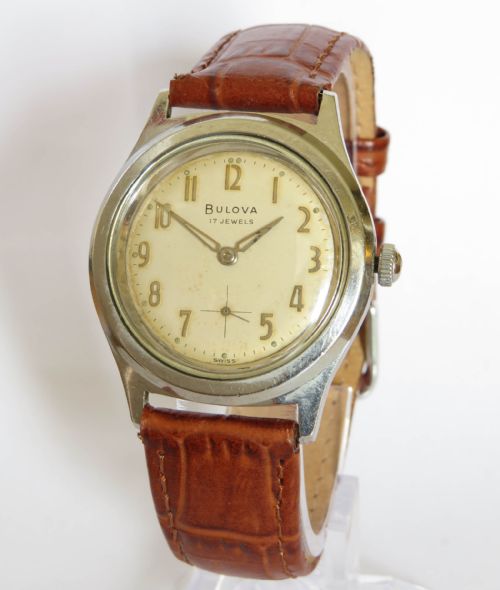
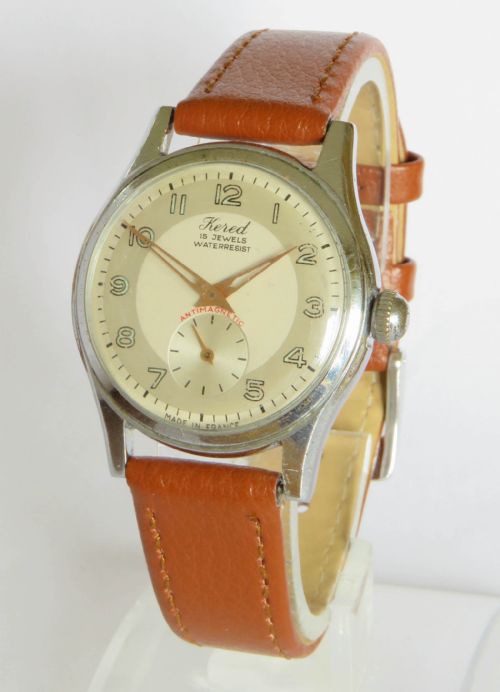


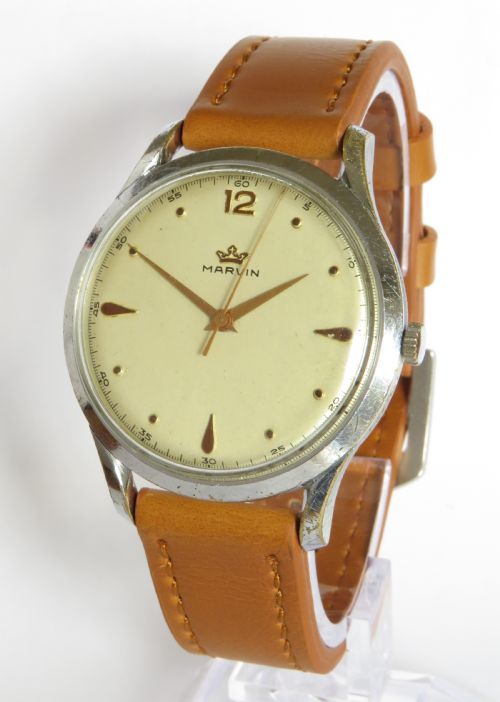
Mid Century Steel Wristwatch
A mid century steel wristwatch offers practical elegance, pairing durable metal cases with enduring mid-century design.
Mid Century Steel Wristwatch
A mid century steel wristwatch represents the functional design ethos of the 1950s and 1960s, a period spanning mid-century modern and mid-century modernist aesthetics. Buyers searching for a mid century steel wristwatch seek dependable timekeeping housed in resilient metal cases that have survived decades of daily wear.
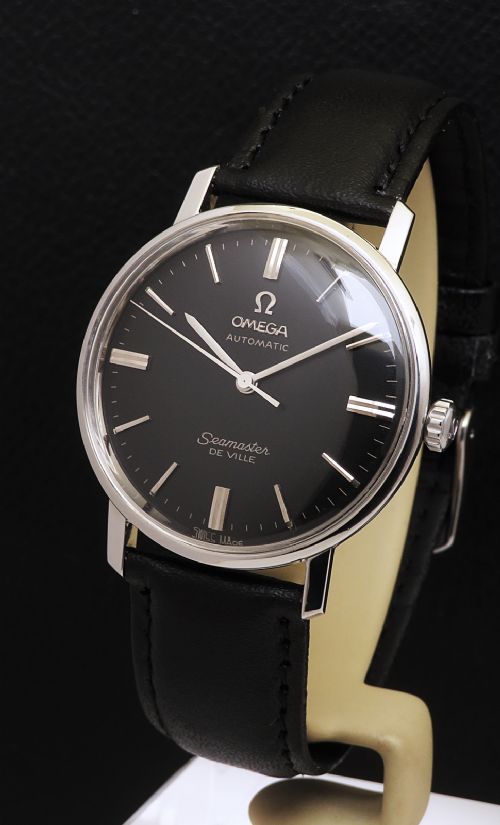
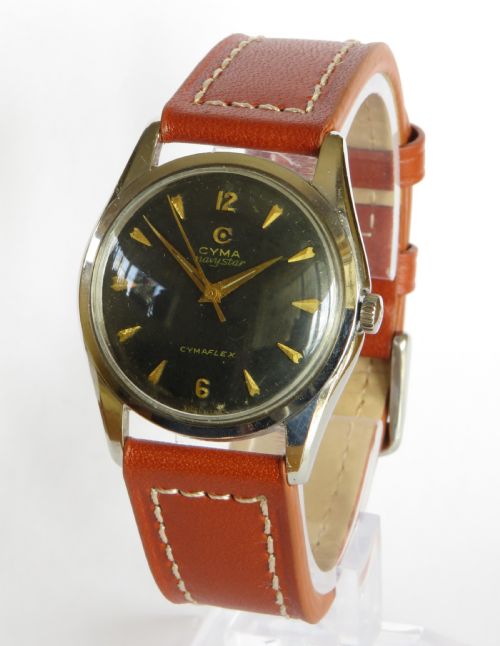
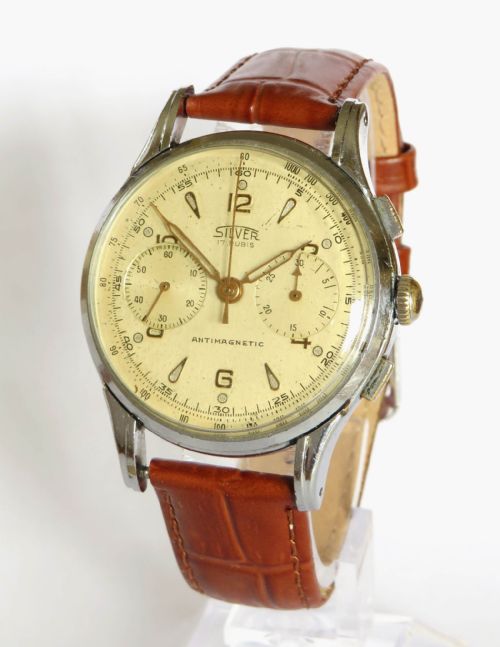
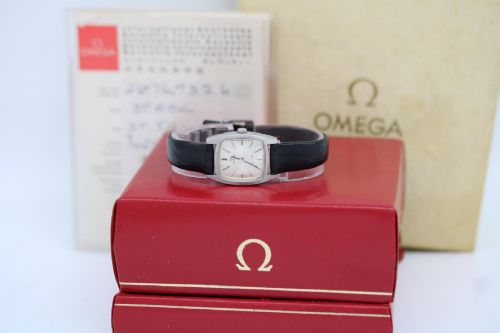
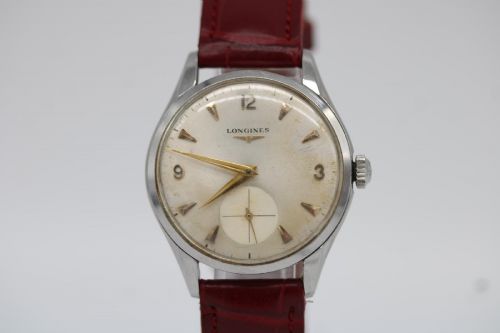
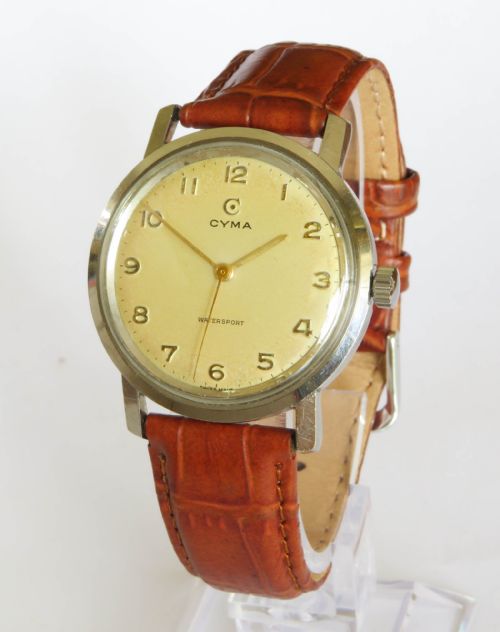
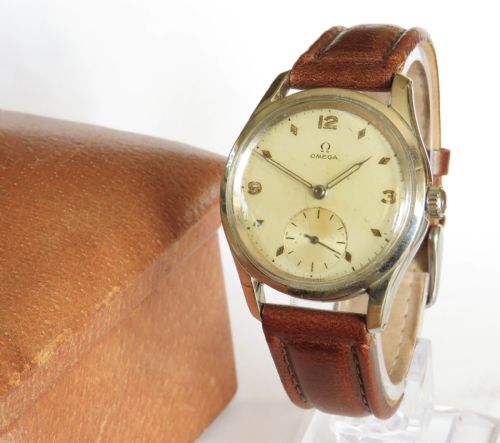
The pieces available here typically originate from the 1950s and 1960s, encompassing gents and ladies models with manual wind, automatic, and chronograph movements. Makers such as Omega, Cyma, Longines, and Bulova frequently appear, alongside British-produced examples like Smiths Empire.
Most items present standard wrist-worn formats, occasionally paired with leather straps and glass or acrylic crystals. These watches bridge the gap between utilitarian tools and collectible vintage accessories.
Evaluating craftsmanship and condition
Superior examples retain original components, unpolished case edges, and clean dials, whereas heavily restored or altered pieces may lose historical integrity. The precision of the internal movement and the clarity of the crystal significantly influence overall desirability.
Original packaging, such as boxes and papers, elevates a piece by confirming its provenance. Additionally, the reputation of the maker, from volume producers to esteemed Swiss houses, dictates the relative standing of individual watches.
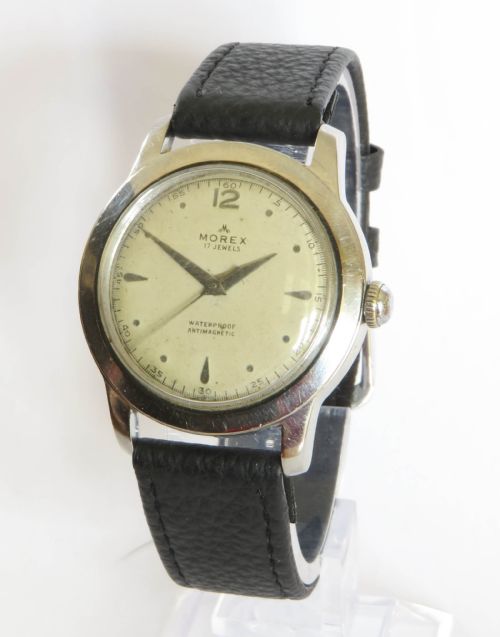
Listings feature stainless steel cases paired with leather straps, spanning production dates across the 1950s and 1960s.
Omega·Longines·Cyma·Bulova·Seiko·Smiths Empire
The Mid Century Steel Wristwatch Glossary
- Calibre
- The specific internal mechanism or movement of a watch, designated by the manufacturer. Understanding the calibre helps identify the exact production lineage of the movement.
- Chronograph
- A watch equipped with a display function for measuring elapsed time alongside standard timekeeping. These models feature additional sub-dials and pusher buttons.
- Manual wind
- A mechanical movement that requires daily hand-winding via the crown to maintain tension on the mainspring. This traditional system contrasts with self-winding automatic mechanisms.
- New Old Stock
- Unsold vintage items discovered in pristine, unworn condition long after their initial manufacture. Such pieces retain their original factory state.
- Automatic
- A self-winding mechanical movement that uses the natural motion of the wearer's arm to power the mainspring. This innovation became widespread during the mid-century period.
Mid Century Steel Wristwatch: Frequently Asked Questions
How do I wind a manual watch?
Rotate the crown gently between your thumb and forefinger clockwise until you feel slight resistance. Stop immediately to avoid damaging the mainspring.
Perform this action at roughly the same time each day to maintain consistent tension and accurate timekeeping.
Are these watches waterproof?
Mid-century timepieces generally lack modern waterproof seals and gaskets. Exposure to moisture, rain, or humidity can easily damage the delicate internal movement.
Keep these watches away from water entirely to preserve the metal case and paper dial components.
How do I date my watch?
Examine the case hallmarks, dial typography, and internal movement serial numbers against manufacturer records. Stylistic cues such as case geometry also point to specific decades.
Documentation like original papers can provide definitive confirmation of the production year.
Can I wear mine daily?
These robust steel cases suit regular wear, provided you handle the mechanical movement with care. Regular servicing by a professional watchmaker keeps the internal gears functioning smoothly.
Avoid wearing vintage pieces during strenuous physical activities or heavy manual labour.