

Mid Century Sketches
Mid century sketches capture immediate observations on paper through ink, pastel and charcoal from periods spanning the 1930s to the 1960s.
Mid Century Sketches
Mid century sketches comprise original works on paper originating from the 1930s through to the 1960s, encompassing drawings, landscape studies and portraiture. Buyers examine framed artwork and unframed sheets created in ink, pencil, pastel and watercolour by named artists and anonymous hands.
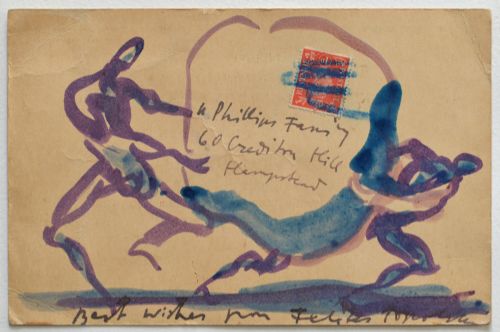
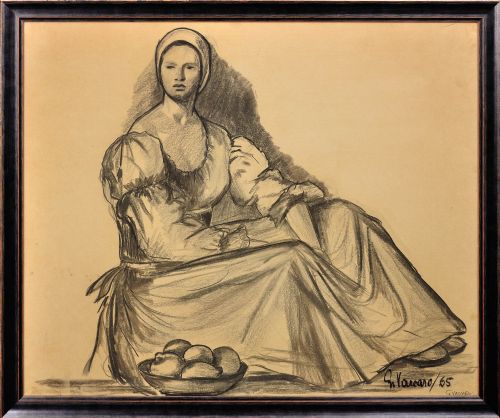
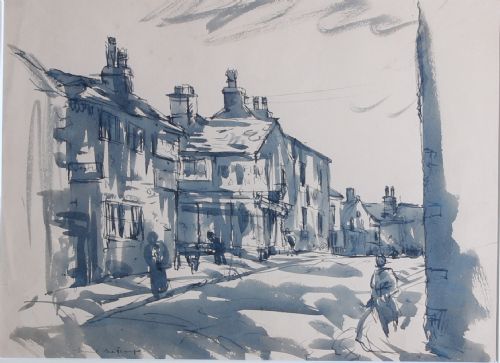
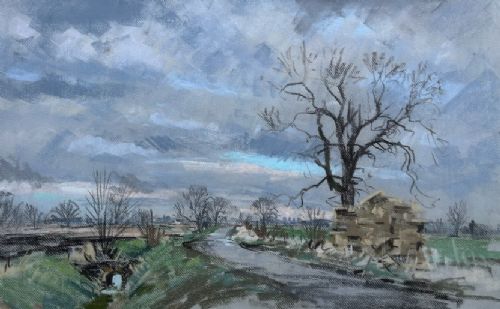
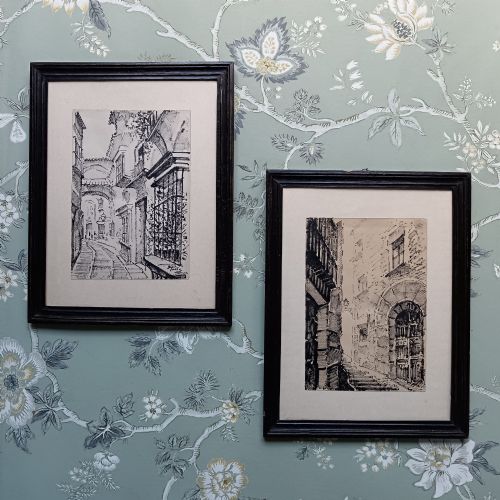
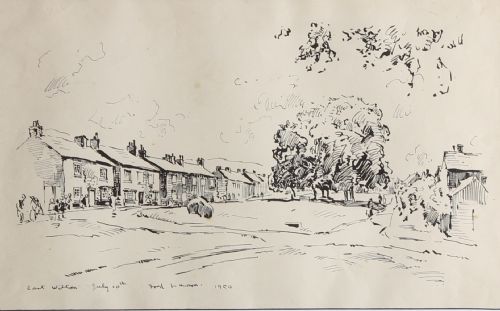
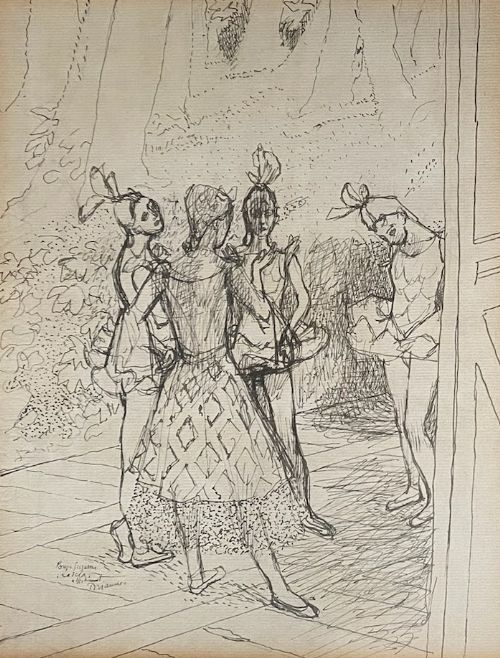
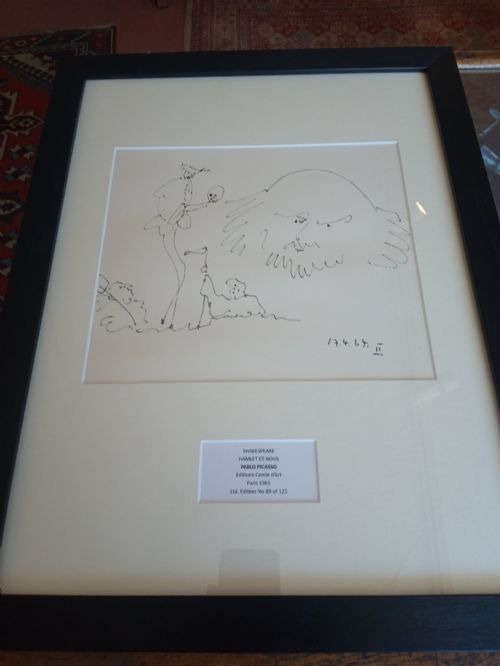
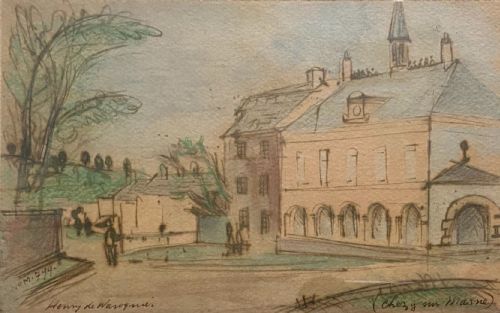
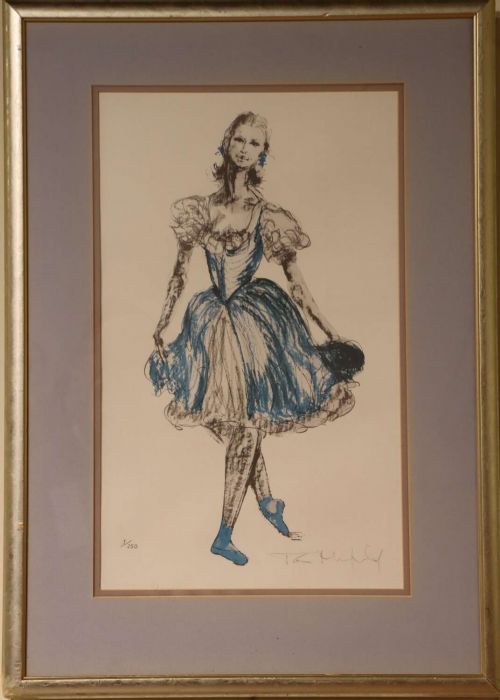
The most common examples on this page are mid-century modern British and continental European works on paper. These pieces range from rapid theatrical studies of ballet dancers to topographical landscapes and architectural ink drawings.
How they were made
Artists executed these works primarily on paper using dry media like graphite, charcoal, chalk and pastel alongside wet applications of ink and watercolour. Mixed media compositions combine these materials to build tone and line directly from studio portfolios.
Support materials include standard drawing papers and tinted sheets housed in original frames, occasionally accompanied by artist seals, signatures and studio annotations.
Mid Century Sketches Retail Price Guide 2026
Typical asking prices for mid century sketches among the pieces listed under this phrase on Sellingantiques today, from the lower quarter to the upper quarter. They describe what is for sale here now, not the wider market.
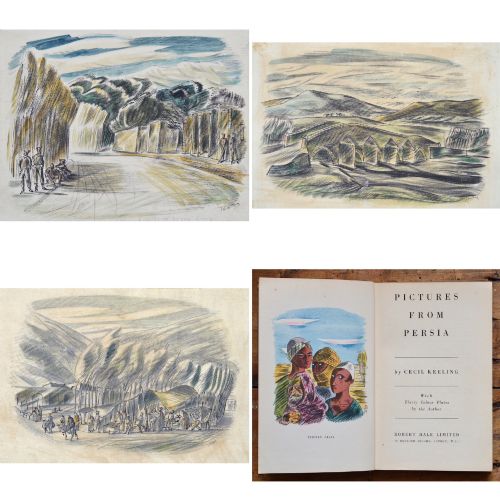
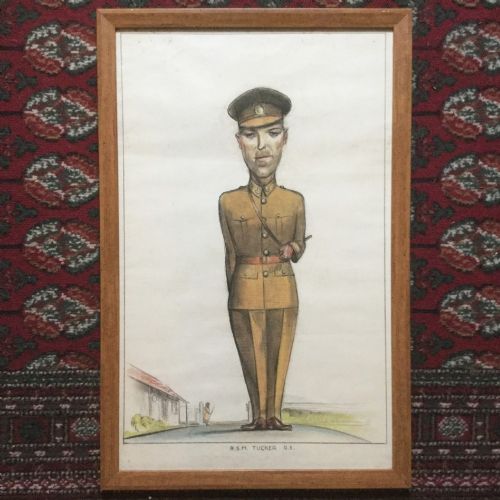
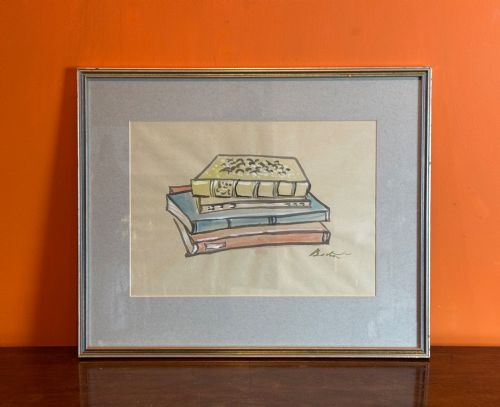
Cats appear alongside military officers, circus performers and architectural studies in this eclectic gathering of mid-century paper works.
What varies in quality
Quality rests upon the strength of the draughtsmanship and the decisiveness of the line work. Finished compositional studies demonstrate greater depth than preliminary trial marks.
Condition varies according to paper preservation and exposure to light. Intact sheets retaining vibrant pigment without heavy foxing represent the upper tier of works.
Angus Rands·Cecil Keeling·Fred Lawson·Maurice Brianchon·Samuel Rabin·John Meredith·Pablo Picasso·Henry de Waroquier·Cecil Beaton·John Rattenbury Skeaping·Hans Holbein·John Merrifield·Michael Lyne·J W Hogley·Raoul Millais·Arthur Todd·Denis William Reed·Lucien Freud·Lawrence Stephen Lowry·Dame Laura Knight·Mariette Lydis
The Mid Century Sketches Glossary
- Graphite
- A form of carbon used in pencils to produce grey monochrome lines and tonal shading. It forms the basis of many preparatory drawings.
- Gouache
- An opaque water-based paint that provides solid planes of colour in mixed media works. It differs from transparent watercolour through its chalky density.
- Pastel
- A powdered pigment massed into stick form for drawing. Pastels yield vibrant matte colours requiring protective framing.
- Triptych
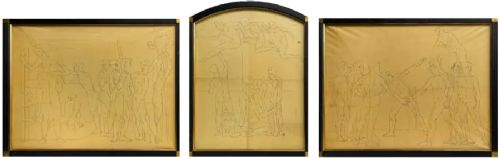
- A work divided into three separate panels or hinged sections. This format appears in thematic figure compositions.
- Academic life study
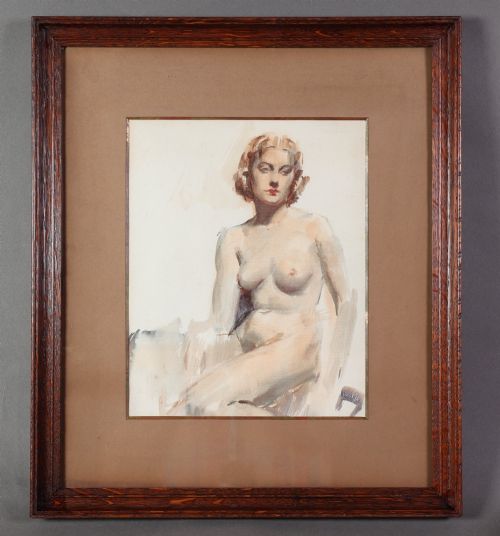
- A drawing executed from a live human model to practice anatomy and proportion. These works record traditional training methods.
Mid Century Sketches: Frequently Asked Questions
How should I frame an old sketch?
Framing requires acid-free mount board and UV-filtering glass to protect fragile paper and fugitive pigments from environmental degradation.
Keeping the paper from touching the glass prevents moisture accumulation and preserves the delicate surface of pastel or charcoal drawings.
Are these works signed by the artist?
Many sheets feature artist signatures, studio stamps or inscriptions recording dates and locations. Others remain unsigned but retain clear stylistic attributions.
Provenance often stems from artist estate portfolios and contemporary exhibition records.
What is the difference between a sketch and a painting?
Sketches rely primarily on linear marks and dry media like pencil, ink or pastel to capture rapid observations. Paintings employ fluid pigments to cover surfaces entirely.
Mid-century works on paper frequently blur this boundary through the use of gouache and watercolour washes.
How do I identify a 1950s drawing?
Mid-century pieces often display characteristic modernist shorthand, expressive brushwork or architectural abstraction typical of the period. Paper stocks and framing materials offer additional chronological clues.
Inscribed dates and contemporaneous labels provide definitive confirmation of the era.