
Mid Century Seating
Mid century seating spans diverse periods and forms, offering functional utility and historical craftsmanship for interior spaces.
Mid Century Seating
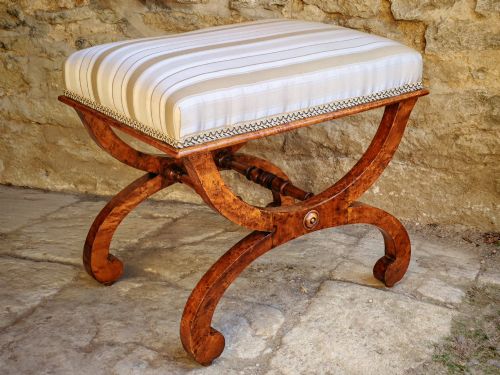
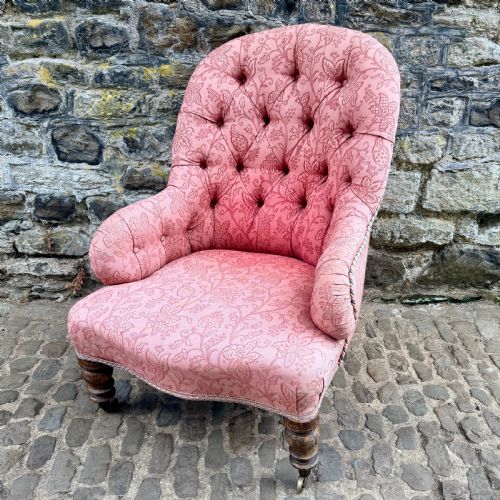
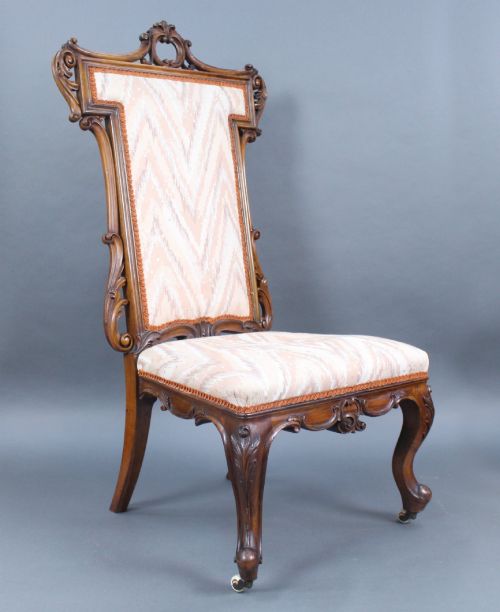
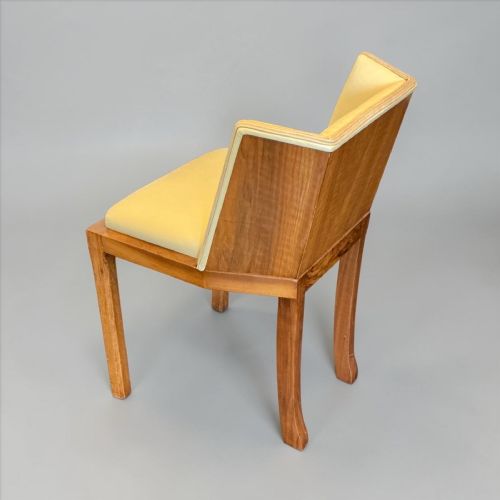
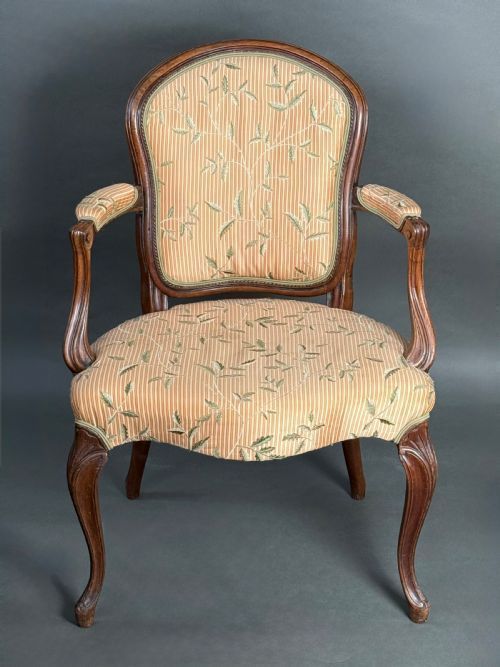
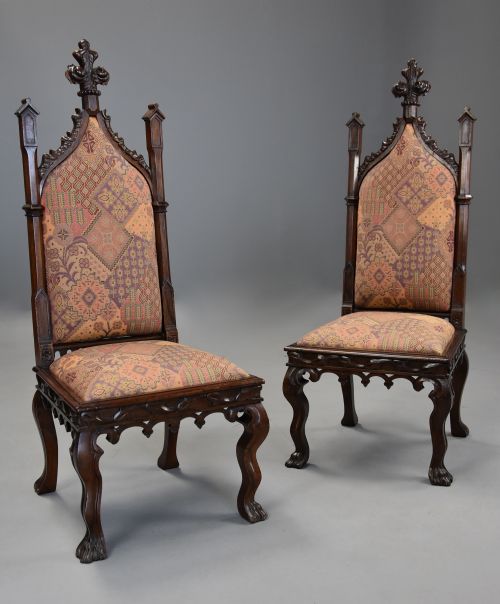
When searching for mid century seating, buyers encounter an eclectic mix ranging from 1950s modernist pieces to 19th-century items described with mid-century dating anomalies in the titles. The selection includes dining chairs, armchairs, occasional chairs, stools, and bench seating.
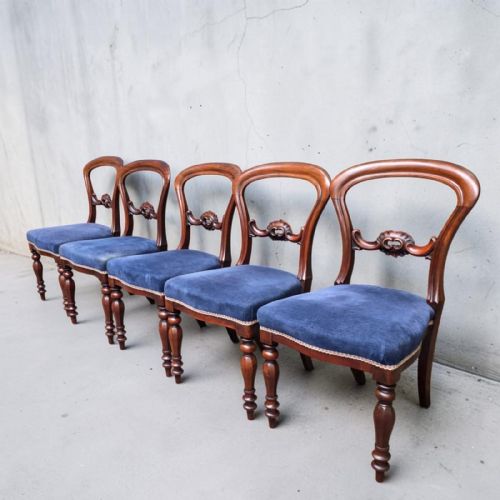
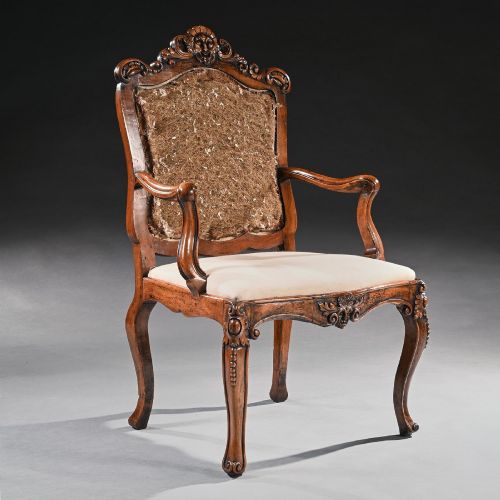
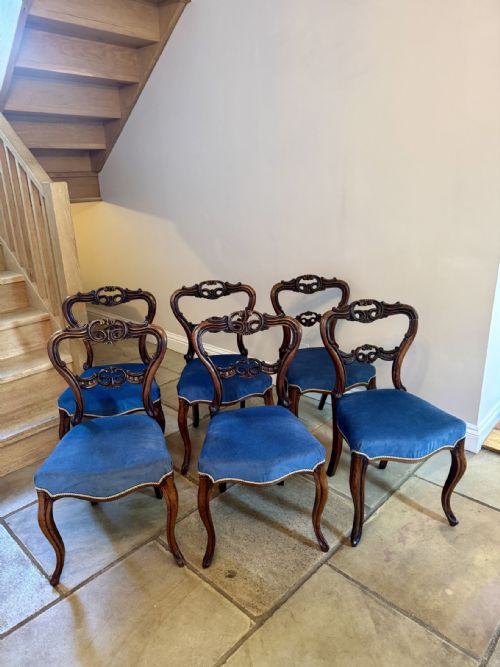
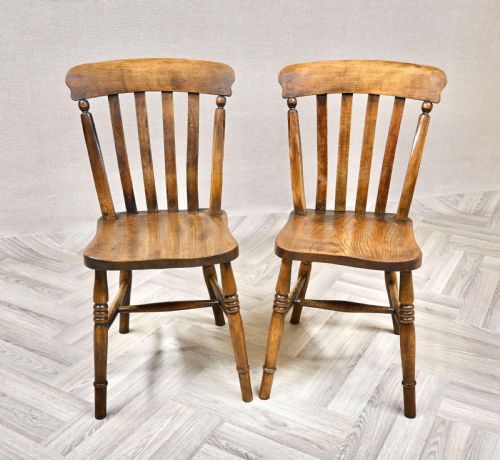
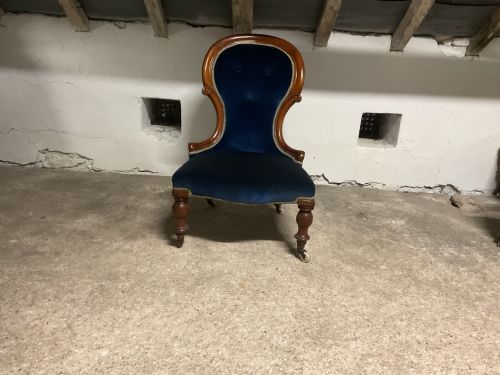
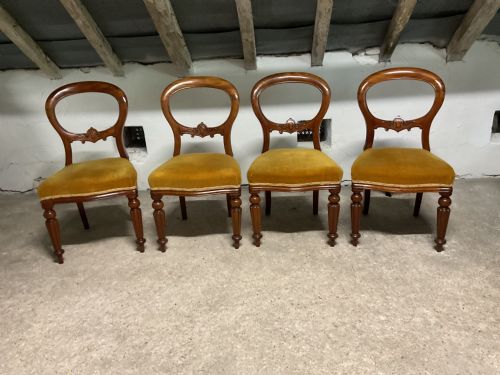
Victorian walnut and mahogany pieces sit alongside Art Deco armchairs, 18th-century walnut designs, and Windsor stickback chairs. Buyers frequently meet Victorian balloon back dining chairs and mid-19th-century bedroom or occasional chairs on this page.
Origins stretch across English, French, Italian, Anglo-Indian, and Channel Islands workshops, combining diverse regional cabinet-making traditions into a single category of domestic seating.
Materials and construction
Cabinet makers utilised dense hardwoods such as mahogany, walnut, rosewood, oak, and ash, often shaping them via turning, carving, or steam-bending techniques seen in bentwood bistro chairs and Windsor designs.
Upholstered items integrate traditional stuffing methods paired with diverse coverings, including velvet, leather, fabric, and silk, while structural joins rely on classic mortise and tenon or glued framing.
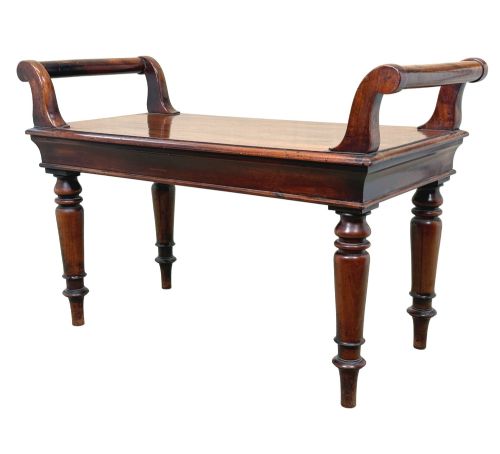
Object types span dining chairs, armchairs, hall benches, window seats, piano stools, and occasional chairs.
Evaluating construction and design quality
The degree of hand-carving intricacy and timber selection determines the distinction between standard utility items and exceptional decorative examples, such as burr maple or solid ebony frames.
Original maker labels, verified signatures, and cohesive matching sets carry greater weight among collectors than mismatched assemblies or heavily altered pieces.
W.A. Willcocks·Hille·Thonet·Gillows
The Mid Century Seating Glossary
- Balloon back
- A chair back shaped in a continuous oval curve resembling a balloon, popular during the Victorian era. This form provides ergonomic support while displaying figured mahogany or walnut grain.
- Windsor chair
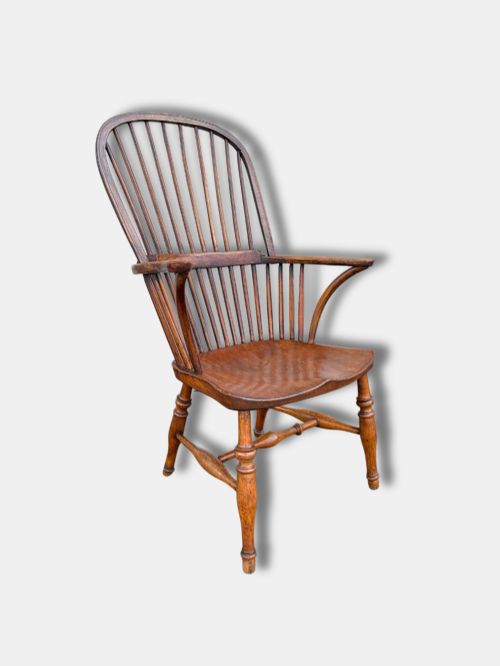
- A wooden chair constructed with a solid sculpted seat into which the legs and back spindles are wedged directly. Regional variations include stickback and comb-back formats.
- Occasional chair
- A light, movable chair designed for intermittent use in various domestic rooms rather than primary seating. These often feature decorative carving or distinctive upholstery.
- Cabriole leg
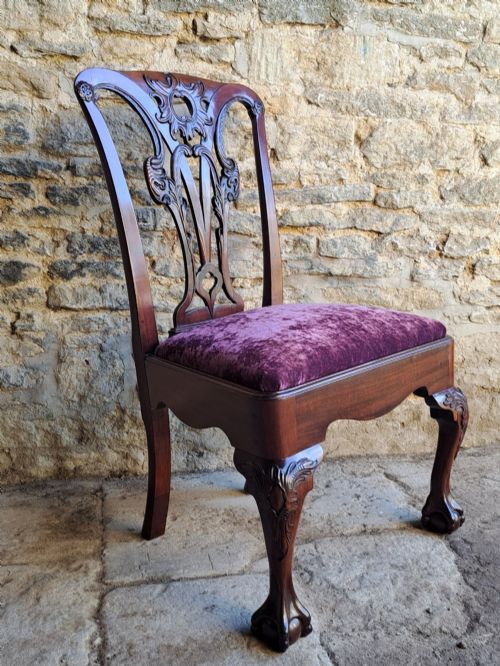
- A furniture leg that curves outward at the knee and tapers inward at the ankle, ending in a pad or claw foot. This style draws on 18th-century furniture design traditions.
- Wainscot armchair
- An early wooden armchair constructed primarily from oak with panelled backboards and sturdy arm supports. These heavy pieces originate from seventeenth-century domestic interiors.
Mid Century Seating: Frequently Asked Questions
What defines mid century seating?
Mid century seating encompasses items produced during the mid-twentieth century alongside historical pieces carrying mid-century cataloguing descriptions. The category ranges from 1930s Art Deco chairs to 1950s utility and modern designs.
Buyers encounter various woods and upholstered forms spanning multiple historical eras rather than a single unified aesthetic movement.
How do I identify a Windsor chair?
Windsor chairs feature a distinct thick wooden seat with legs and back spindles fitted directly into bored holes. Traditional variants include stickback, bow back, and low back formats.
Ash, elm, and oak are typical timbers used in their construction, originating from English regional workshops.
Where were dining chair sets used?
Dining chair sets served formal and everyday meals in domestic dining rooms across the eighteenth and nineteenth centuries. Sets commonly included four, five, or six matching chairs.
Mahogany, rosewood, and walnut were favored for formal dining furniture to display wealth and status.
How should I care for antique wood chairs?
Antique wooden chairs require stable indoor humidity levels away from direct heat sources and sunlight to prevent timber cracking. Regular dusting with a dry cloth preserves the polished surface.
Applying occasional wax feeds hardwood finishes like mahogany and walnut without damaging the grain.