

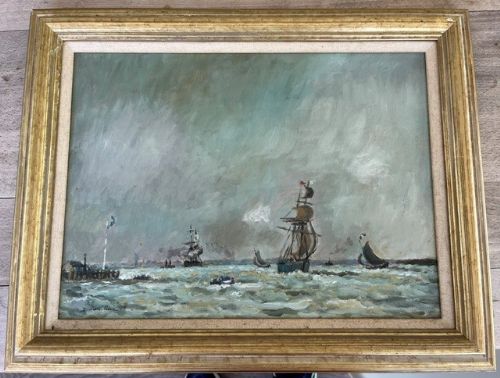


Mid Century Ocean Painting
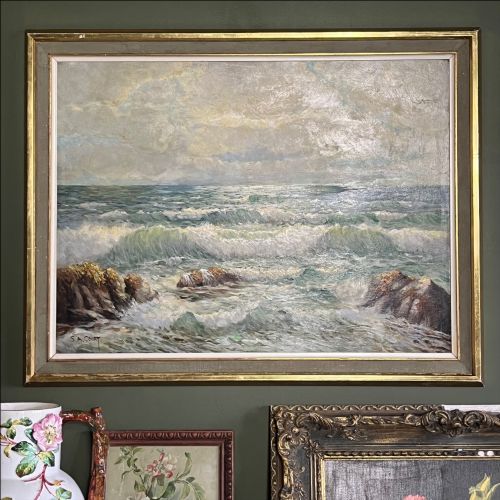
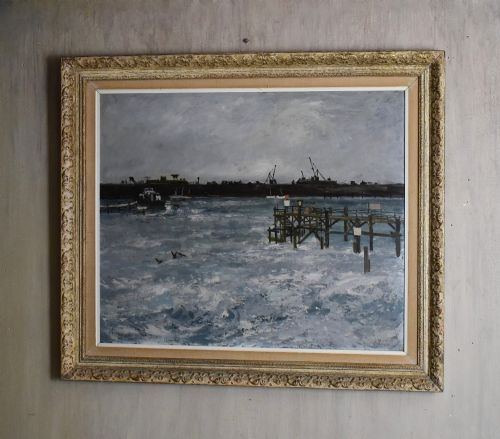
These mid century ocean painting works bring maritime movement and coastal light directly into a room.
Mid Century Ocean Painting
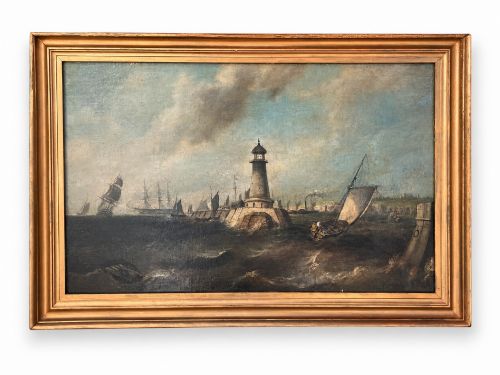
When searching for a mid century ocean painting, a buyer looks at coastal scenes, open seas, and harbour views captured through the lens of mid century aesthetic sensibilities. These artworks span various interpretations of the marine environment, from impressionist interpretations of moonlit waters to modernist depictions of sailboats at low tide.
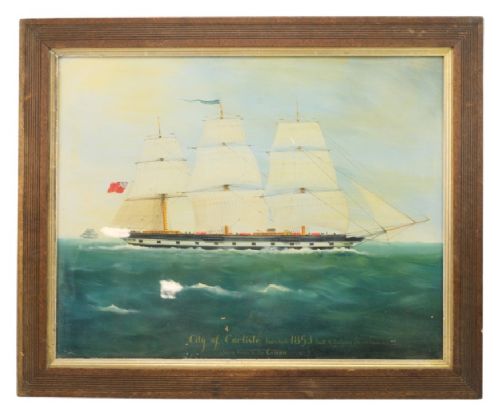
The pieces on this page lean heavily into mid century styles, though the evidence also shows Victorian and nineteenth century maritime works alongside them. Canvas and paper serve as the primary grounds, carrying oil paint, watercolour, and gouache across diverse British and French coastal subjects.
How they were made
Artists applied oil paint or watercolour to canvas, wood, or paper, often working en plein air to capture immediate atmospheric changes by the shore. The physical creation involves traditional brushwork across structured supports, utilising oil on canvas, gouache, and watercolour techniques.
Framing and mounting preserved these works, with many retaining wooden frames and gilt elements that complement the maritime subjects. The materials reflect standard artist supplies of their respective periods, from standard canvas stretches to heavy paper sheets.
Listings feature oil paint, watercolour, and gouache on canvas, paper, and wood, spanning Victorian times to the nineteen sixties.
What varies in quality
The distinction between works rests on the strength of the composition, the handling of light on water, and the sureness of the brushwork. Stronger examples convey the movement of the tide or the luminosity of coastal skies with evident skill.
Provenance and attribution also shape the standing of a piece, with named artists providing a clearer window into a recognised body of work. The subtlety of colour mixing and the preservation of the paint surface further distinguish individual paintings.
Sidney A. Court·Peter Brannan·Nicholas Condy·Roger de la Corbiere·Dion Pears·Sir William Russell Flint·Charles Cameron Baillie·S. J. Lamorna Birch·Donald McIntyre·Alastair Flatterly·Frank Holme
The Mid Century Ocean Painting Glossary
- En plein air
- Painting outdoors to capture natural light and atmospheric conditions directly. This method was frequently used for coastal landscapes and seascapes.
- Gouache
- An opaque watercolour medium that dries to a matte finish. It allows for vibrant colour blocking on paper.
- Provenance
- The documented history of ownership of an artwork. Good provenance establishes authenticity and past exhibitions.
- Impressionism
- A style of painting that focuses on the visual impression of the moment, particularly shifting light and colour. Works in this vein prioritise overall mood over precise linear detail.
Mid Century Ocean Painting: Frequently Asked Questions
What periods do these paintings cover?
The selection spans from the mid nineteenth century through to the mid twentieth century, with a strong concentration of pieces from the nineteen fifties and nineteen sixties. Earlier Victorian maritime works also appear alongside these mid century examples.
Buyers will find that mid twentieth century modernism and impressionism dominate the stylistic output of the available selection.
What materials were used?
Artists utilised oil paint, watercolour, and gouache applied to canvas, wood panels, or paper supports. Many pieces feature original wood and gilt frames that suit the maritime subject matter.
The physical media directly reflect the preferred techniques of British and French painters working during the mid twentieth century and earlier.
Where do these coastal scenes originate?
The locations depicted include Cornish harbours, Welsh bays, Pembrokeshire beaches, and broader French coastal waters. Some pieces record specific historical vessels and shipping scenes.
This geographical variety offers buyers a choice between specific regional British coastal views and wider European marine expanses.
How should I display a painting on paper?
Works executed on paper, such as watercolours and gouache, require framing behind glass to protect the delicate surface from moisture and dust. Direct sunlight should be avoided to prevent fading of the pigments over time.
Proper hanging away from direct heat sources ensures the paper support remains stable in a domestic environment.