


Mid Century Modernist
Mid century modernist items gather clean lines, sculptural forms, and experimental materials from the mid-twentieth century.
Mid Century Modernist
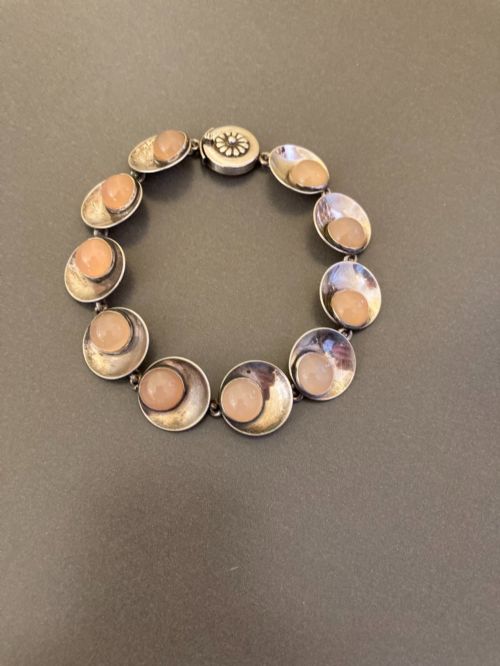
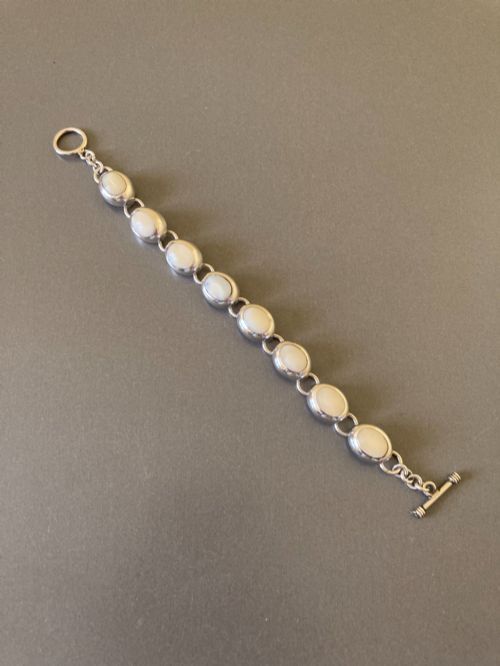
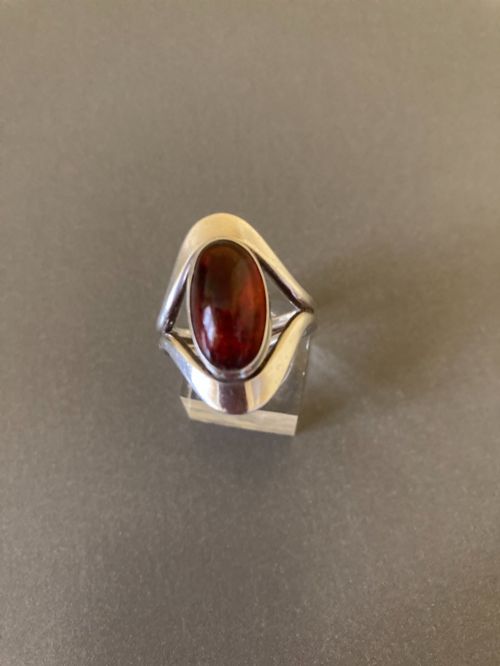
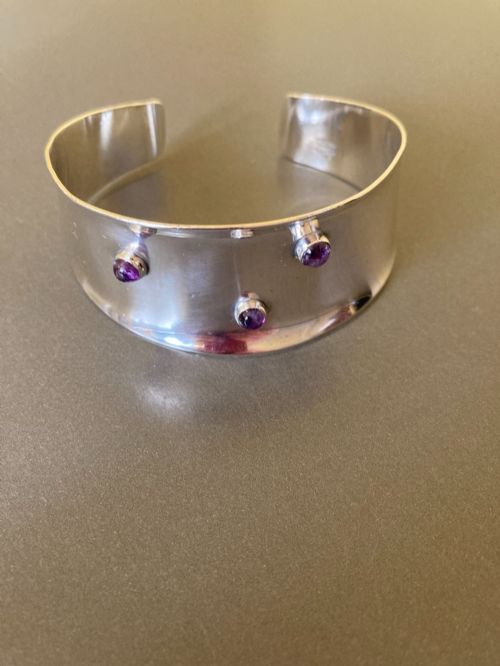
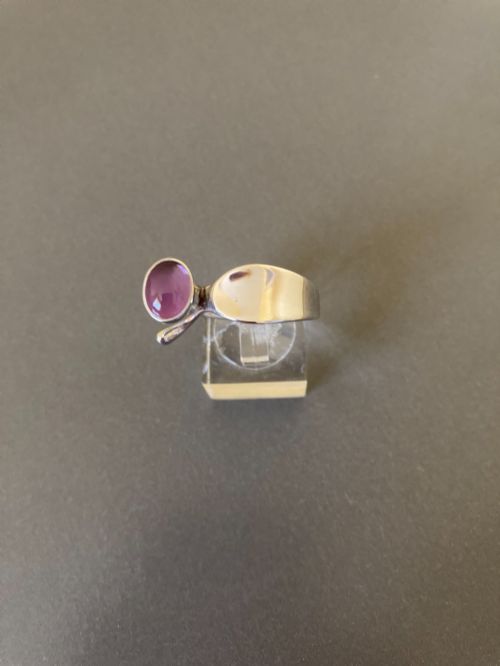
Mid century modernist objects span decades of bold design shifts, drawing heavily on mid-century modern, Scandinavian modern, and Art Deco traditions. You encounter everything from sterling silver jewellery and monumental sculptural lamps to oil paintings on canvas and board.
The pieces on this page lean heavily towards the nineteen-fifties and sixties, alongside earlier twentieth-century works originating from Britain, France, Denmark, and beyond. Forms range from functional tableware and striking wall art to intricate rings and bracelets set with amber, moonstones, and enamel.
How They Were Made
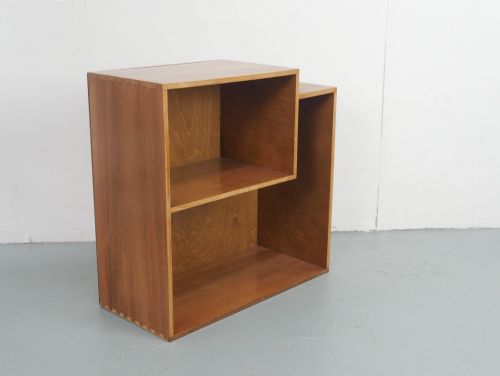
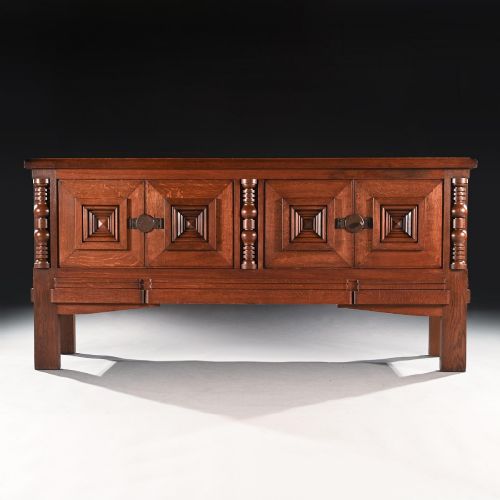
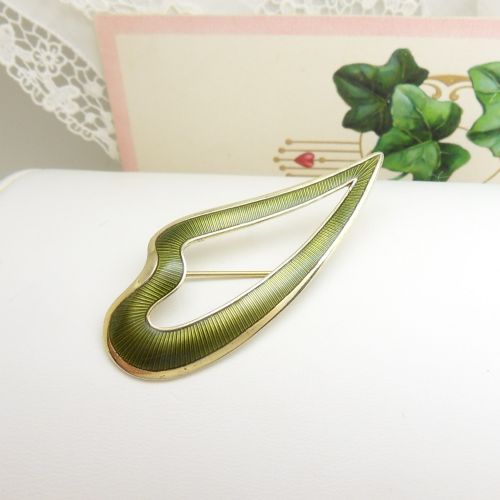
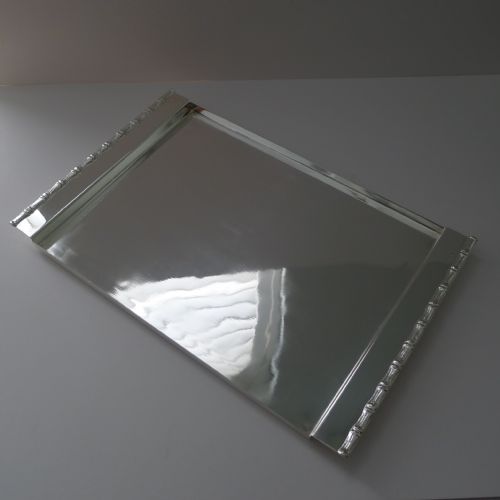
Makers utilised sterling silver, wood, brass, and glass, shaping metals through casting and silver-plating while carving timber into stylised figures and furniture. Sterling silver jewellery frequently incorporates cabochon gemstones, coloured enamel, and minimalist bezels.
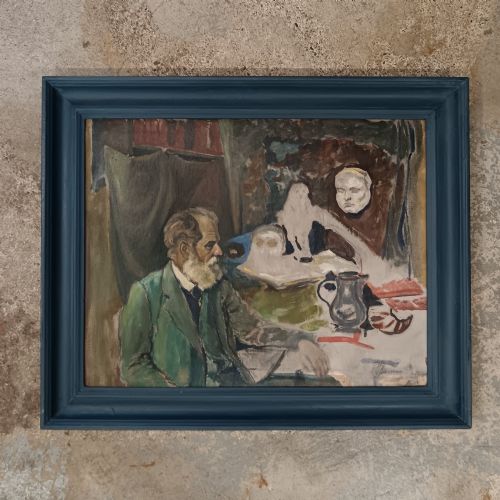
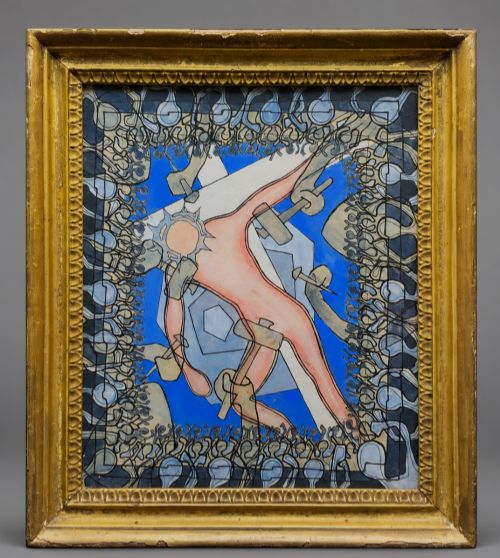
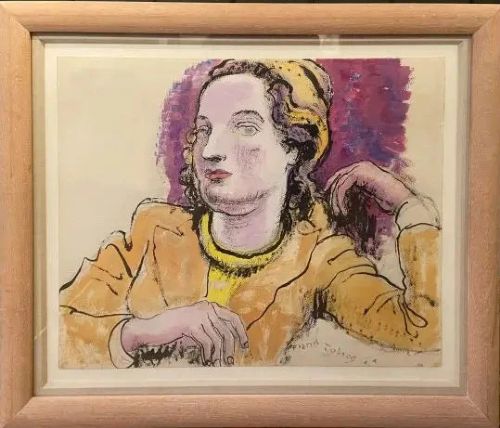
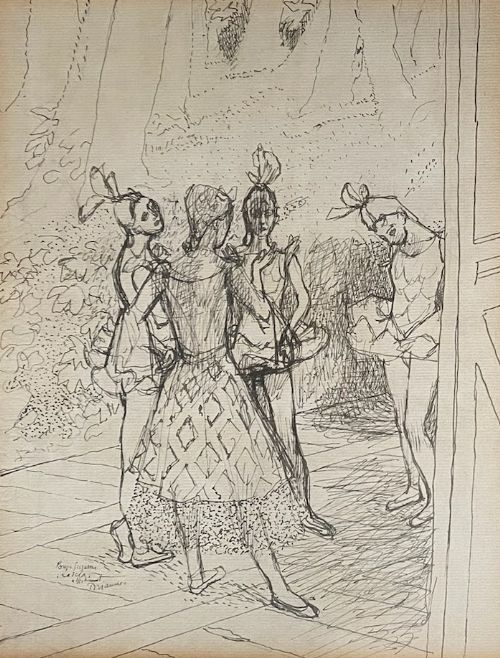
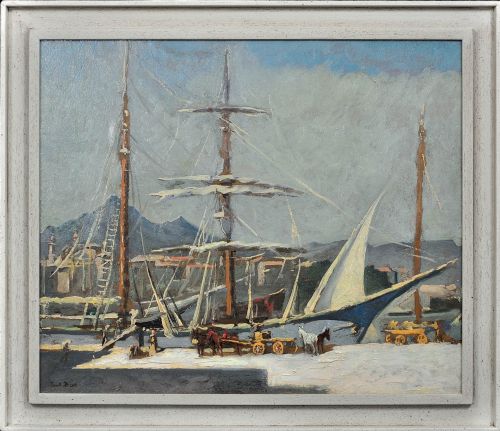
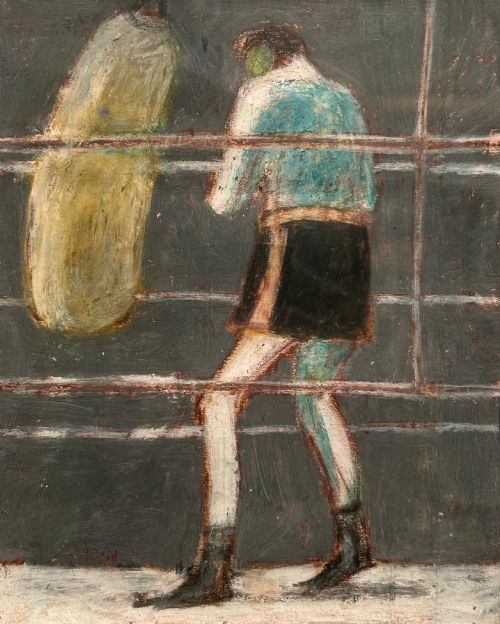
Paintings and prints rely on oil, ink, watercolour, and lithography applied to canvas, paper, and board. Artists built texture through impasto layers, balanced by the clean geometric lines characteristic of the period.
Mid Century Modernist Retail Price Guide 2026
Typical asking prices for mid century modernist among the pieces listed under this phrase on Sellingantiques today, from the lower quarter to the upper quarter. They describe what is for sale here now, not the wider market.
Listings feature periods spanning from the nineteen-twenties through to the nineteen-sixties, alongside works created later than nineteen-sixty.
What Varies in Quality
Quality rests in the precision of the maker's hand and the integrity of the materials. Jewellery and silverwork display variation in the crispness of casting, the depth of enamel, and the secure mounting of cabochon stones.
In paintings and works on paper, execution determines distinction through confident brushwork, composition, and preservation of the original surface. Signed works and pieces linked to notable design houses or workshops carry greater clarity of authorship.
N E From·Georg Jensen·Aksel Holmsen·Randers Silver·Vivianna Torun Bulow Hube
The Mid Century Modernist Glossary
- Cabochon
- A gemstone shaped with a smooth, convex upper surface rather than faceted edges. This style highlights the natural colour and lustre of stones like amber, turquoise, and moonstone.
- Impasto
- A technique where paint is laid on an area of a surface in thick layers, standing out visibly from the canvas. Artists use this to give texture and tactile weight to oil paintings.
- Lithograph
- A print produced by a planographic process in which a drawing is made on stone or metal with a greasy substance. The technique allows for fine detail and rich tonal range in mid-century prints.
- Pochoir
- A stencil-based printing process used to apply vibrant hand-coloured details to prints and illustrations. It yields sharp edges and saturated hues prized in Art Deco and modernist works.
Mid Century Modernist: Frequently Asked Questions
What defines mid century modernist design?
Mid century modernist design focuses on functional forms, clean geometric lines, and a deliberate departure from heavy historic ornamentation. It embraces both organic shapes and industrial materials.
Items range from sleek Scandinavian silver jewellery to bold abstract oil paintings and sculptural lighting from the mid-twentieth century.
How do I care for vintage silver jewellery?
Vintage silver requires gentle handling to preserve patinas, enamel work, and delicate stone settings. Avoid harsh chemical dips, especially on pieces with cabochon stones or enamel.
Store silver pieces individually in soft pouches to prevent scratching, and clean them sparingly with a soft microfibre cloth.
How should I display modernist art?
Modernist paintings and works on paper benefit from neutral wall spaces and simple frames that do not compete with the composition. Proper lighting helps highlight texture in impasto oil works.
Keep paper prints out of direct sunlight to prevent fading of the original pigments and lithographic inks over time.
Are these pieces signed?
Many silver pieces, sculptures, and paintings bear maker marks, hallmarks, or artist signatures. These identifiers help verify origin and connect the work to specific workshops or creators.
Unsigned pieces are attributed based on stylistic evidence, materials, and manufacturing techniques typical of their period.