

Mid Century Modernist Art
Mid century modernist art brings together bold canvases, works on paper and sculptural forms that define the character of twentieth-century interiors.
Mid Century Modernist Art
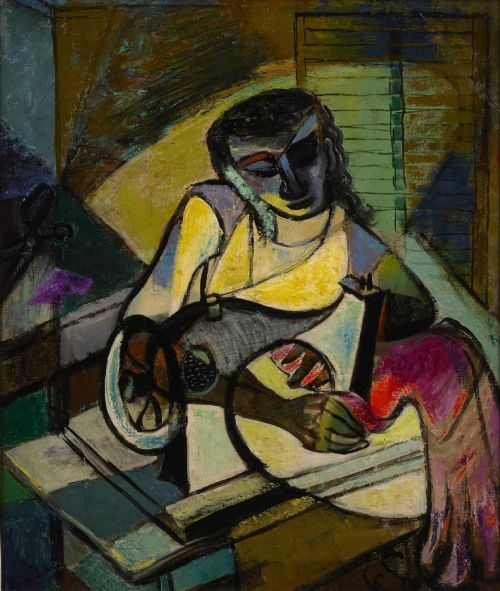
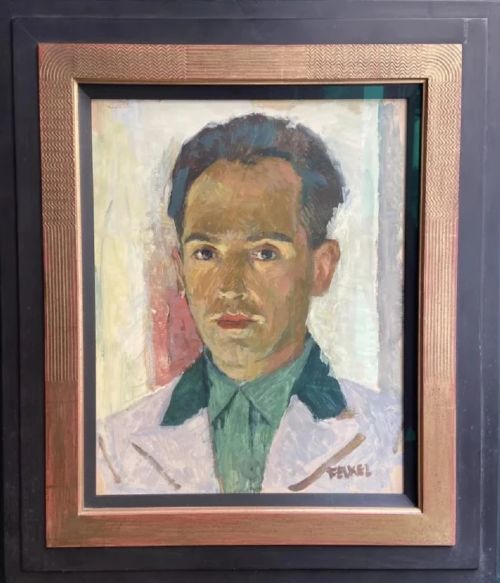
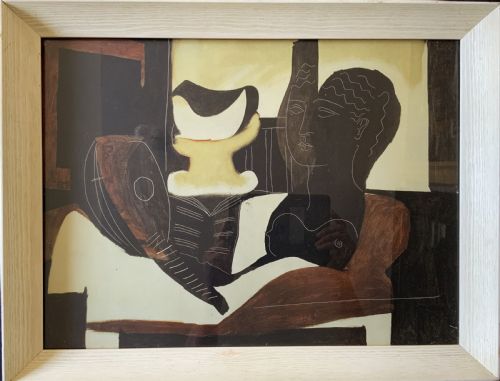
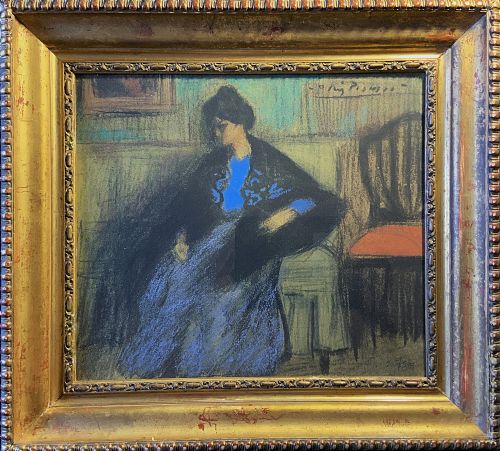
Mid century modernist art encompasses a diverse range of paintings, drawings and prints created across the twentieth century. These works frequently cross paths with styles like Art Deco and Modern British, reflecting decades of shifting aesthetic values.
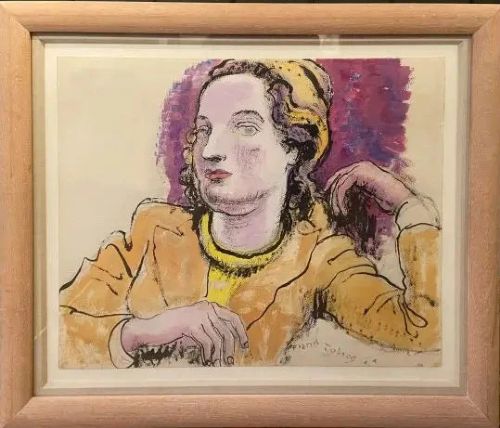
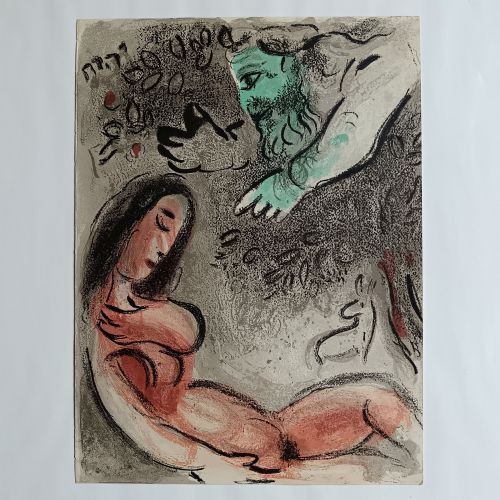
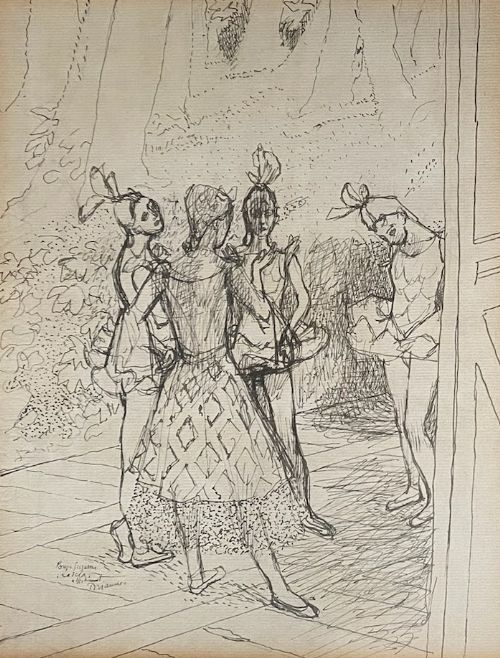
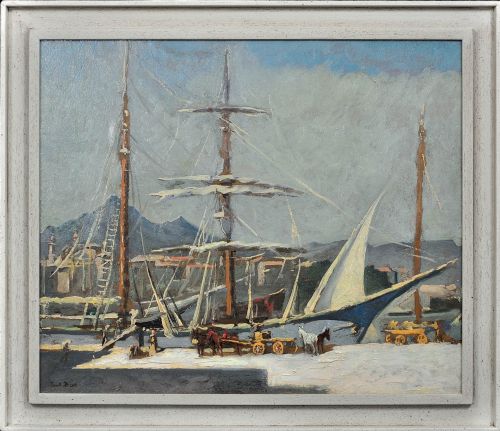
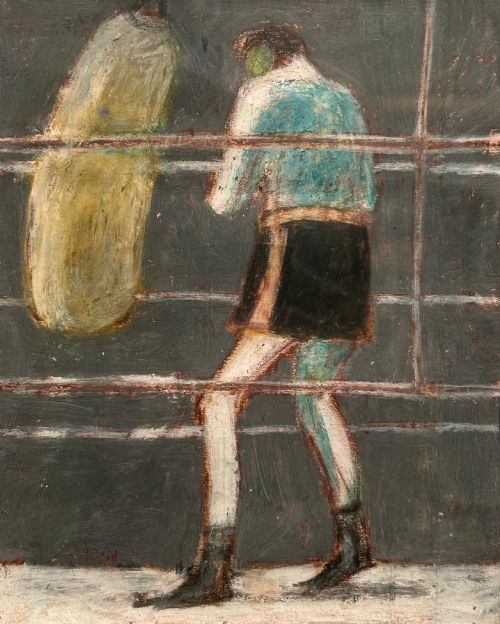
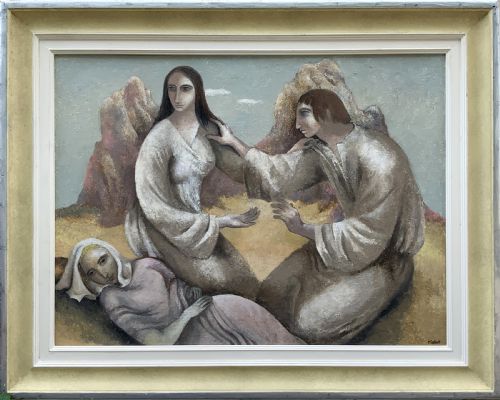
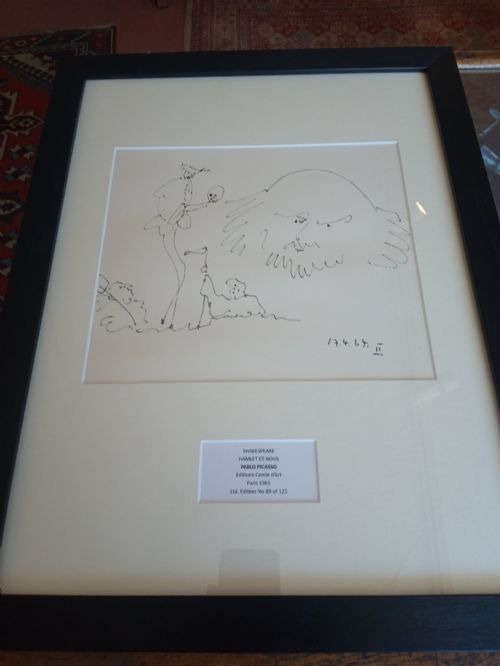
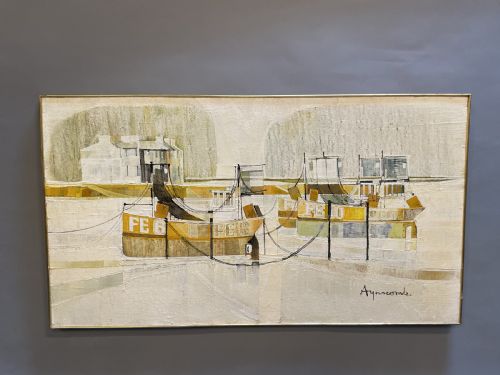
Buyers will encounter oil paintings on canvas and board alongside watercolours, gouache and ink drawings on paper. Lithographs and limited edition prints also feature strongly, offering accessible avenues into period collecting.
The selections span distinct decades from the 1920s through to the 1960s and beyond, capturing everything from quiet domestic interiors to vibrant abstract landscapes.
Materials and construction
Works are executed using traditional artist materials such as oil paint, gouache, watercolour and ink applied to canvas, wood panels and paper. The application ranges from smooth, precise linework to heavy impasto textures.
Framed presentation is common, often utilising wood, glass and brass elements that complement the era of the primary piece. Furniture items like sideboards and chests of drawers utilise oak and ebonised timber alongside brass details.
Mid Century Modernist Art Retail Price Guide 2026
Typical asking prices for mid century modernist art among the pieces listed under this phrase on Sellingantiques today, from the lower quarter to the upper quarter. They describe what is for sale here now, not the wider market.
The listings span from Edwardian portraits through to creations from the 1960s, executed in oil, canvas, paper, wood, glass and ink.
Judging quality in mid century modernist art
Quality rests upon the strength of the composition, the handling of the chosen medium and the clarity of the artist's vision. Works that demonstrate a confident command of colour and form stand apart from more derivative pieces.
Condition plays a part, with well-preserved surfaces, stable canvases and original framing enhancing the integrity of the piece. Provenance and attribution to documented makers or exhibitions add weight to individual works.
Charles Dudouyt·Marc Chagall·Paul Bret·Maurice Brianchon·Carl Felkel·Frank Dobson·Samuel Rabin·Lena Gurr·Christine Nesbit·Pablo Picasso·Sier Kunst·Dame Elisabeth Frink·Denis Mitchell·Barbara Hepworth·Gabriel Dauchot·Étienne Kohlmann·Derek Latimer Sayer·William McCance·Peter Jackson·Adrian Heath·Yo Mayer·Marcel Duchamp·Antonio Ferri
The Mid Century Modernist Art Glossary
- Impasto
- Paint applied thickly to a canvas or board, leaving visible brush or palette knife marks that add physical texture to the surface.
- Lithograph
- A planographic printmaking process using a stone or metal plate, enabling the production of multiple original impressions.
- Gouache
- An opaque water-based paint that dries to a matte finish, frequently used on paper for vibrant modernist studies.
- Pochoir
- A stencil-based technique used for applying hand-coloured prints, common in French graphic works of the period.
- Cubist
- A style characterised by the fragmentation of subjects into geometric planes and multiple viewpoints.
Mid Century Modernist Art: Frequently Asked Questions
What defines mid century modernist art?
These pieces reflect the departure from traditional academic representation towards abstraction, bold colour and expressive forms. They capture the spirit of innovation that swept through European and British art circles.
Works range from intimate ink drawings and watercolours to large-scale oil paintings and limited edition prints.
How do I choose between prints and paintings?
Original paintings and unique works on paper offer singular textures and brushwork created directly by the artist's hand. They provide a direct link to the creative process of the period.
Lithographs and limited edition prints allow collectors to acquire works by major figures from the era at a different scale of engagement.
Where do these pieces fit in a home?
These works suit contemporary and traditional interiors alike, acting as focal points on living room or hallway walls. Their varied palettes and compositional styles allow them to anchor a room or complement existing furnishings.
Porter pieces like sideboards and desks also offer functional surfaces that display smaller works or stand alone.
How are different decades distinguished?
Pieces from the 1920s and 1930s often share space with Art Deco influences and structured compositions. Works from the 1950s and 1960s lean further into abstraction and expressive gestural marks.
Signatures, dates and framing details frequently help pinpoint the exact era of creation.