

Mid Century Landscape Oil Painting
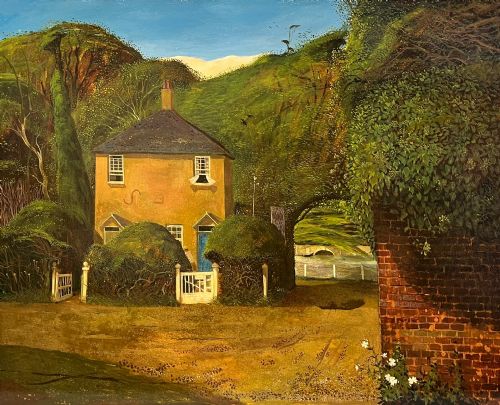
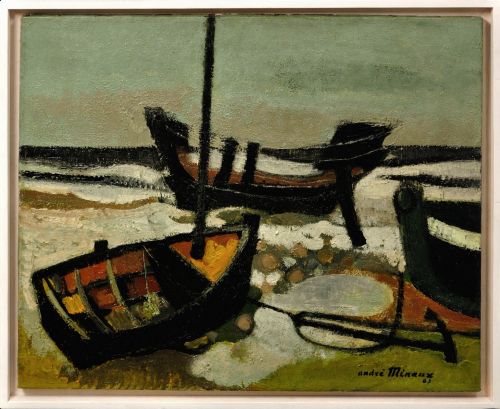
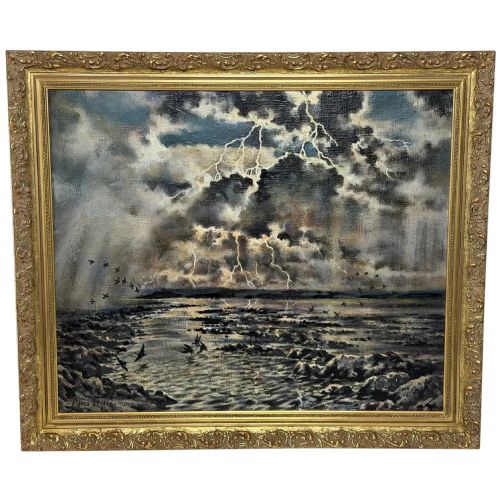
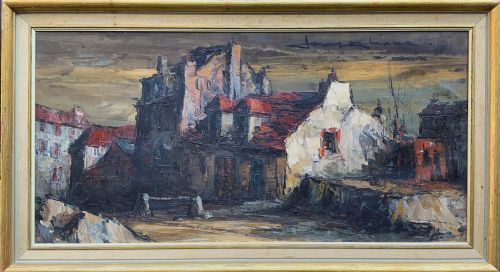
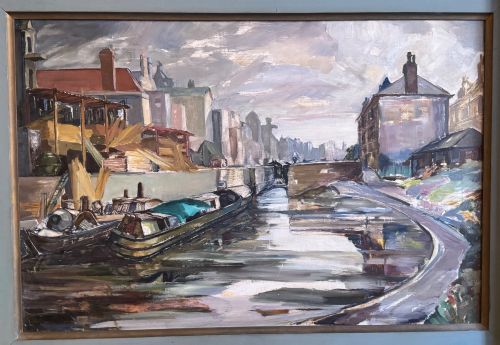
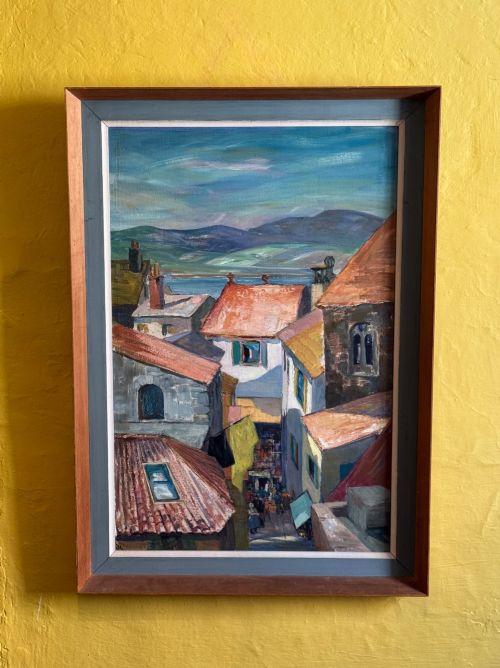
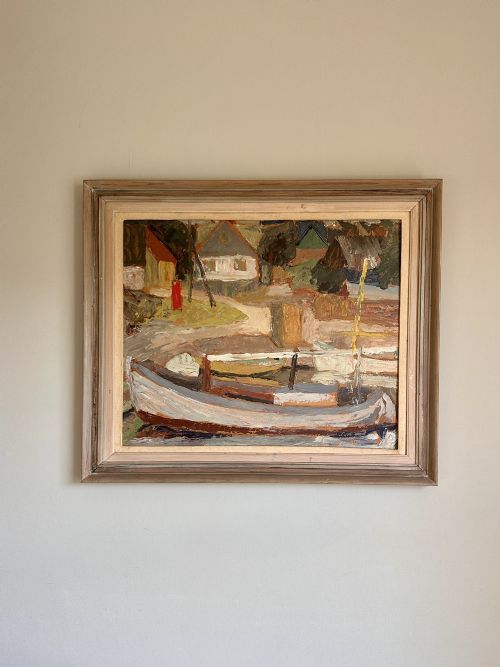
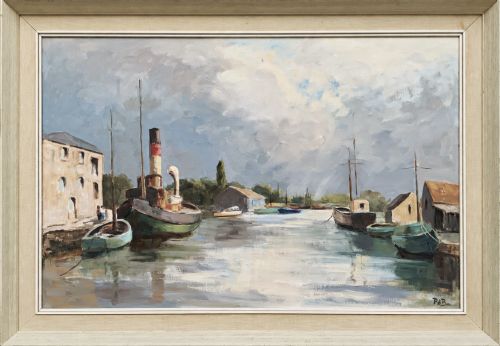
A mid century landscape oil painting captures the light and atmosphere of the mid-twentieth century through expressive brushwork and rich colour.
Mid Century Landscape Oil Painting
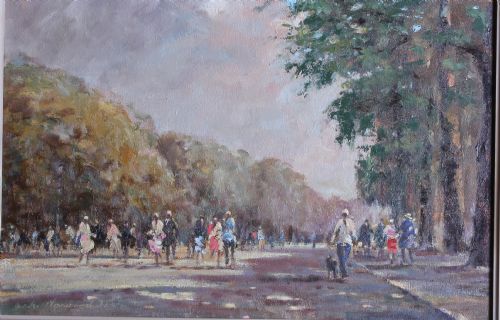
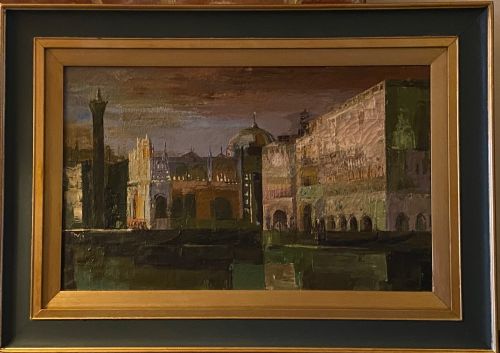
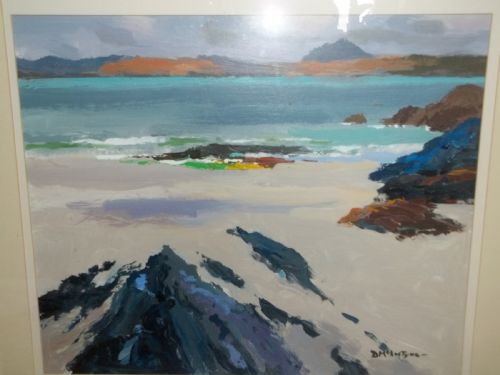
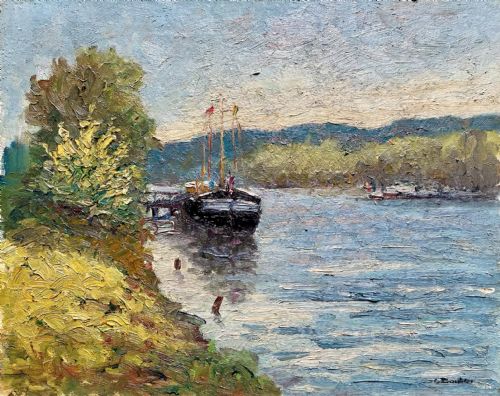
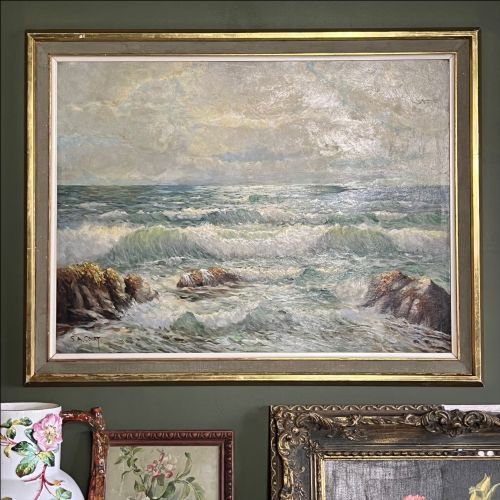
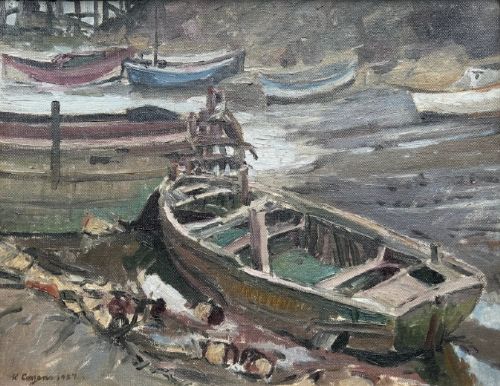
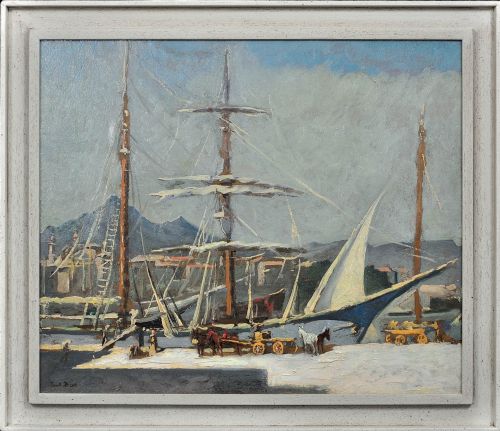
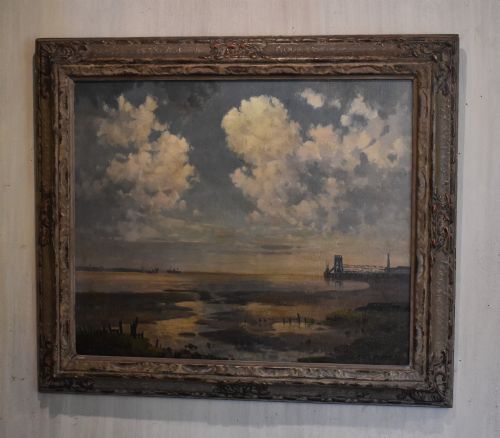
A mid century landscape oil painting records scenes from the nineteen-fifties and nineteen-sixties, alongside works from the nineteen-thirties and nineteen-forties. These pieces encompass coastal views, urban street scenes, and rural vistas captured by British and European artists.
The selections on this page lean heavily towards mid-century impressionism, post-impressionism, and modern British styles. Buyers encounter both intimate panels painted en plein air and larger canvases executed in the studio.
Subjects range from Cornish harbours and London parks to French riverbanks and Mediterranean ports. Each work offers a distinct window into the topography and aesthetic concerns of the twentieth century.
Materials and methods
Artists painted primarily using oil paint applied to either stretched canvas or rigid board. Many works incorporate thick impasto techniques, where pigment is laid on thickly to build physical texture and catch the light.
Supports often include wood panels and traditional canvas frames, sometimes housed in vintage wood or gilt frames that complement the period aesthetic. Painters worked both on location in the open air and indoors from preliminary sketches.
Mid Century Landscape Oil Painting Retail Price Guide 2026
Typical asking prices for mid century landscape oil painting among the pieces listed under this phrase on Sellingantiques today, from the lower quarter to the upper quarter. They describe what is for sale here now, not the wider market.
Listings feature works executed on canvas and board using traditional oil paint across the nineteen-fifties and sixties.
Distinguishing quality
Quality rests in the confidence of the brushwork and the artist's ability to capture atmospheric light. Superior examples demonstrate a decisive handling of pigment and a balanced compositional rhythm that anchors the scene.
The vitality of the mark-making separates routine topographical records from compelling artistic statements. Works that retain freshness in their execution and a coherent palette command stronger visual presence.
Evelyn Harris·Sushila Singh·Donald McIntyre·Joan Gillchrest·Helen Layfield Bradley
The Mid Century Landscape Oil Painting Glossary
- Impasto
- Paint applied thickly to a canvas or board, standing out in relief from the plane and retaining the marks of the brush or palette knife.
- En plein air
- The practice of painting outdoors directly from the subject, allowing the artist to capture transient effects of light and weather.
- Post-Impressionism
- An artistic movement following impressionism that extends its use of vivid colours and thick application while adding expressive or structural weight.
- Canvas
- A closely woven heavy fabric stretched across a wooden frame to serve as a durable foundation for oil paint.
Mid Century Landscape Oil Painting: Frequently Asked Questions
How do I identify a mid century landscape oil painting?
Look for characteristic twentieth-century palettes, modernist brushwork, and subject matter ranging from industrial townscapes to coastal harbours. The materials, including board or canvas supports, typically align with practices from the nineteen-fifties and sixties.
Signatures, framing styles, and biographical details of the artist further help confirm the period of execution.
Were these paintings created outdoors?
Many mid-century works were painted en plein air to capture immediate natural light, particularly coastal and rural scenes. Other larger or more complex compositions were finished in the artist's studio using earlier field sketches.
The presence of surface debris or spontaneous brush marks often points to direct outdoor creation.
How should I frame and display them?
Display these works away from direct sunlight and excessive humidity to protect the oil paint and canvas. Many retain their original wood or gilt frames, which historians and collectors prefer to keep intact.
Ensure adequate wall space allows the brushwork and scale of the canvas to breathe within the room.
What is the difference between canvas and board supports?
Canvas provides a flexible, woven surface that responds to atmospheric changes and often accommodates larger compositions. Board offers a rigid, stable panel favoured for smaller, spontaneous works painted outdoors.
Both materials were widely utilised by twentieth-century artists depending on the scale and intended location of the painting.