
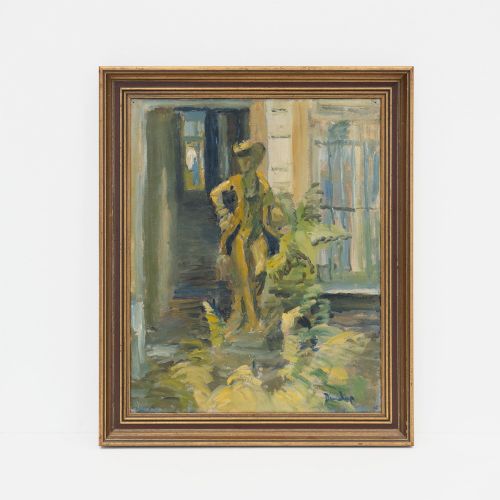

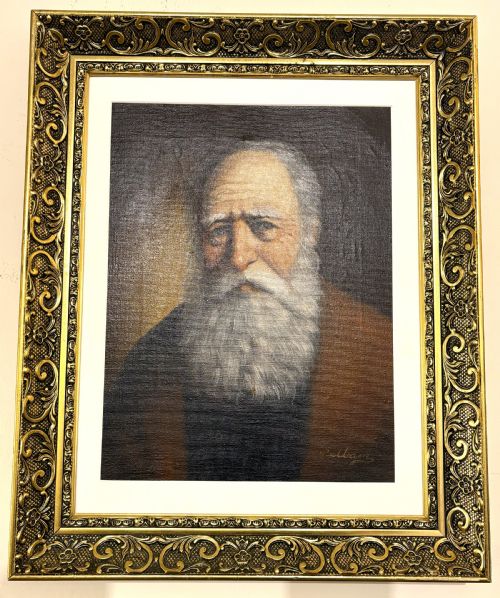


Mid Century Impressionist Portrait
A mid century impressionist portrait captures sitter and light with loose brushwork, offering character and vibrant twentieth-century style for your walls.
Mid Century Impressionist Portrait
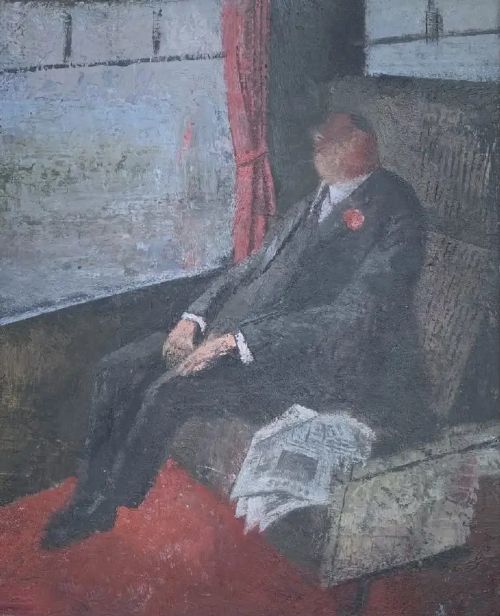
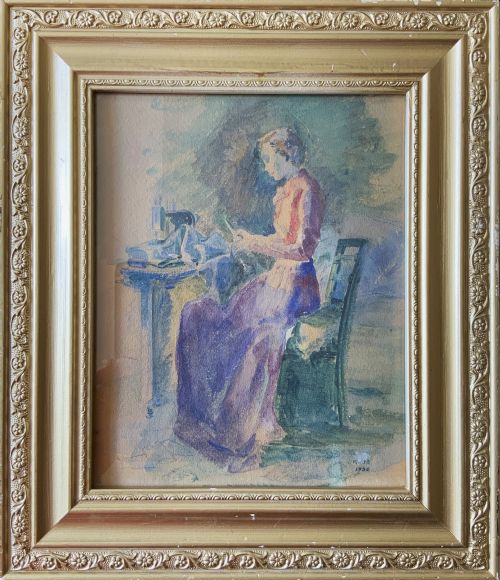
A mid century impressionist portrait brings together twentieth-century painting styles and expressive brushwork to depict sitters with immediate visual energy. When you browse this selection, you encounter works spanning from the nineteen-twenties through to the nineteen-sixties, alongside occasional nineteenth-century and Edwardian pieces.
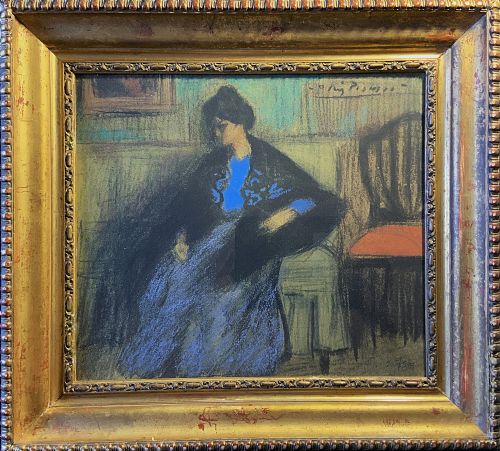
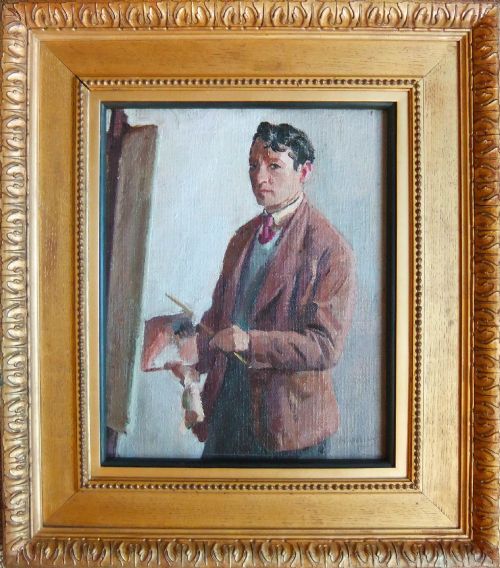
The subjects range from solitary female figures and children to dancers, ballerinas, and artists themselves. Canvases and boards dominate the selection, complemented by works on paper, watercolours, and pastels housed in various frames.
Most pieces lean towards mid-century impressionism, post-impressionism, modernism, and expressionism. They reflect British schools and international studios, offering varied interpretations of human character through loose paint application and atmospheric colour.
Materials and construction
Artists working on a mid century impressionist portrait typically applied oil paint onto canvas or wooden board, building texture through visible brush strokes and impasto techniques. Some creators utilised paper, watercolours, or pastels to achieve softer atmospheric effects.
Support structures involve wood and stretched canvas, occasionally paired with glass protection for works on paper. Frames frequently incorporate gilt finishes or simple wooden moulding to complement the painted surface.
Even ballerinas need a rest, as proven by the circus performer caught pausing between her performances.
Distinguishing quality in these works
Quality in a mid century impressionist portrait rests on the confidence of the brushwork and the expressive depth captured in the sitter's expression. Masterful handling of light and shadow elevates a composition far above a rigid likeness.
The harmony between the artwork and its surrounding frame also shapes the piece. Works that retain their original period framing or display distinct artistic provenance demonstrate greater integrity.
Pablo Picasso·Philip Naviasky·Ronald Ossory Dunlop·Attilio Toro·Philippa Maynard Romer·Roland Batchelor·Igor Talwinski·Yetta Kane·Christian Caillard·Bernard Meninsky·Sonia Mervyn·Allan Gwynne-Jones
The Mid Century Impressionist Portrait Glossary
- Impressionism
- A style of painting that focuses on capturing the general impression of a scene rather than detailed accuracy. It relies on small, thin yet visible brush strokes and open composition.
- Impasto
- A technique where paint is laid on an area of the surface in very thick layers, usually thicker than the brush stroke itself. This creates physical texture that stands out from the canvas.
- Pochoir
- A stencil-based printing process used to produce hand-coloured prints or limited-edition graphics. It allows for crisp lines and vibrant flat areas of colour.
- Lithograph
- A planographic printing process based on the mutual repulsion of oil and water. Artists draw directly onto a limestone or metal plate to create multiple impressions.
- Post-Impressionism
- An artistic movement that extended impressionism while rejecting its limitations. Artists favoured more symbolic content, formal order, and heavier structural brushwork.
Mid Century Impressionist Portrait: Frequently Asked Questions
What defines a mid century impressionist portrait?
These works combine twentieth-century painting techniques with expressive, loose brushwork to portray individual sitters. They emphasise mood and light over strict anatomical precision.
Created primarily between the nineteen-twenties and nineteen-sixties, the category includes oil paintings, pastels, and watercolours from various British and European schools.
How should I hang and light these paintings?
Display your artwork at eye level on a neutral wall away from direct, harsh sunlight to protect the pigments. A dedicated picture light can enhance the visible texture of oil paint and impasto work.
Keep paintings away from high-moisture areas like bathrooms to preserve the wooden stretchers and canvas integrity over time.
Are most of these portraits signed by the artist?
Many examples feature artist signatures, monograms, or studio attributions inscribed directly onto the canvas or board. Some pieces remain anonymous works from recognised British or continental schools.
Documentation on the reverse of the frame or stretcher often provides helpful clues regarding the sitter or exhibition history.
What framing is typical for these portraits?
Original frames range from simple wooden mouldings to worn gilt surrounds that show authentic signs of age. The frame often helps anchor the mid-century aesthetic of the painting.
When frames require minor consolidation, conservative restoration preserves the historical relationship between the artwork and its enclosure.