
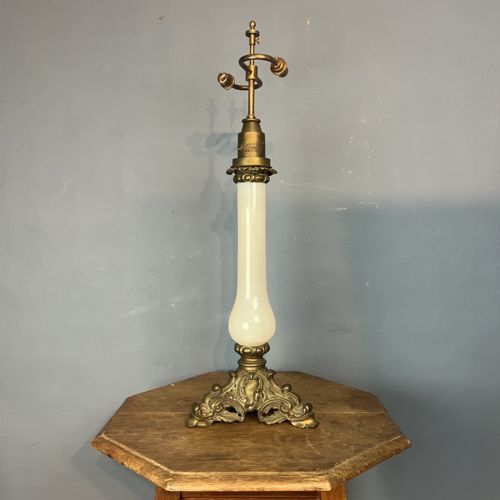


Mid Century Glass Lamp
A mid century glass lamp brings brilliant illumination and textural weight to a room, combining moulded or cut glass with sturdy metal bases.
Mid Century Glass Lamp
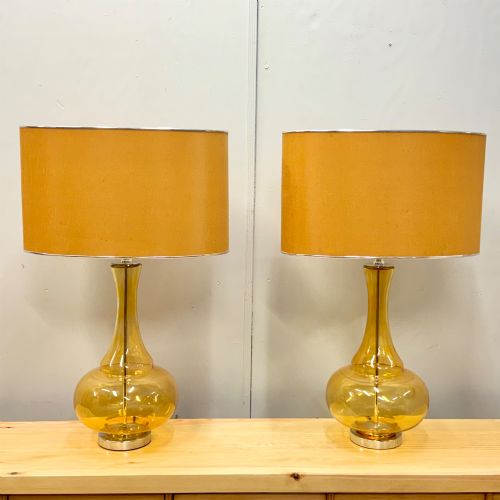
A mid century glass lamp combines transparent, opaline, or coloured glass bodies with structural elements of brass, chrome, or gilt metal. The selection ranges from compact table lamps featuring amber and cut crystal to taller floor-standing variations.
While the phrase directs attention to mid-century aesthetics, the available stock also includes Victorian and nineteenth-century designs that use heavy glass urns and cut crystal stems. These earlier pieces sit alongside modernist cubic forms and Italian glass fruit arrangements.
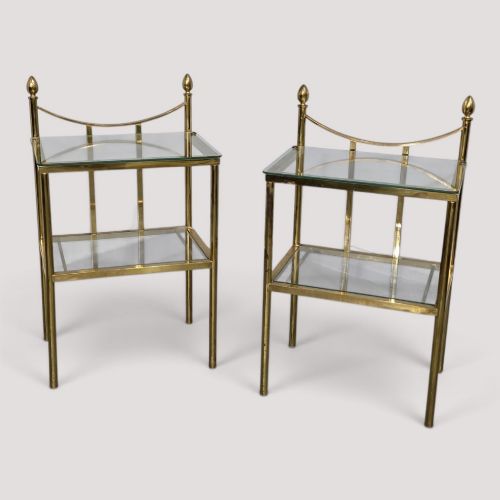
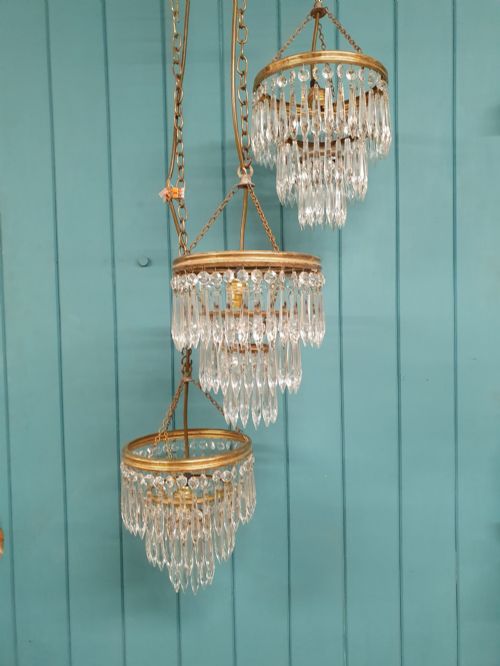
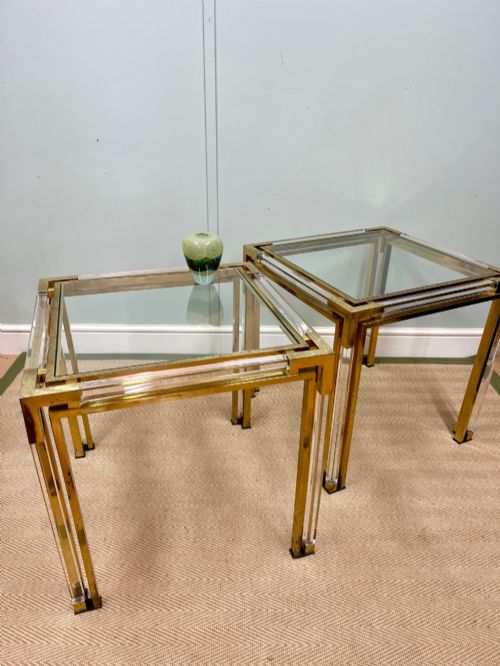
Table lamps predominate on the page, paired frequently with supportive metal side tables or complemented by ceiling pendants and larger chandeliers. Buyers encounter both simple glass stems and elaborate moulded designs carrying patent stamps.
Materials and construction methods
Construction relies on combining heavy glass reservoirs or shades with durable metal mounts in brass, silver plate, and chrome. Artisans shaped the glass through blowing, cutting, or moulding into specific profiles like opaline urns and caged pendants.
Metal components such as brass collars, gilt bases, and chrome stems provide structural stability to the heavier glass sections. Fastenings and patents indicate precise mechanical assembly typical of nineteenth and twentieth-century workshops.
Period origins span from the nineteenth century through the Victorian era and into mid-century modernist designs.
Distinctions in manufacture and finish
Quality reveals itself in the depth of the glass cutting, the clarity of coloured or opaline compounds, and the substantial weight of the metal bases. Superior pieces display crisp facets on cut crystal and smooth, unblemished surfaces on blown glass.
The integration between the glass body and the metal mounts demonstrates the maker's precision, where tight fittings and stamped patent marks separate standard production from finer workshop execution.
PH Vogel·Mc Gary·Palmer·Peter Ghyczy
The Mid Century Glass Lamp Glossary
- Opaline Glass
- A translucent, milky-white glass popular in nineteenth and twentieth-century lighting. It diffuses light softly and takes tinting well.
- Cut Glass
- Glass decorated by grinding facets or patterns into the surface using a wheel. This technique creates high light refraction and distinct tactile edges.
- Ormolu
- Gilded bronze or brass used for mounts and decorative bases. It provides a rich golden finish that contrasts against transparent glass.
- Campana Urn
- A bell-shaped vessel form derived from classical antiquity. It frequently serves as the solid stone or metal base supporting a glass lamp body.
Mid Century Glass Lamp: Frequently Asked Questions
How do I clean an antique glass lamp?
Use a soft, damp cloth to wipe down glass bodies and metal mounts gently. Avoid harsh chemical cleaners that might strip gilt or damage patinated brass.
Keep electrical components completely dry during maintenance. For wired sections, dust with a dry cloth only.
Are these lamps safe for modern electrical use?
Many older lamps retain vintage wiring that requires professional rewiring to meet current safety standards. A qualified electrician can replace old cords while preserving original sockets and switches.
Check the internal fittings during purchase to plan for any necessary updates. Original patents do not guarantee modern electrical compliance.
How do I date a glass lamp base?
Examine the manufacturing techniques, metal alloys, and any visible patent stamps or maker signatures on the base. Cut crystal and heavy opaline often point to Victorian or nineteenth-century origins, while cleaner chrome lines indicate mid-century production.
Compare the mounting style and collar construction with known period examples. Documentation such as maker stamps provides the clearest chronological indicator.
Can I replace the lampshade safely?
Replacement shades should match the proportion and weight distribution of the original glass body. Silk or fabric shades often accompany mid-century designs, while bare glass pendants operate independently.
Ensure the fitter size matches the lamp's existing harp or gallery. Proper scaling maintains the visual balance between shade and base.