
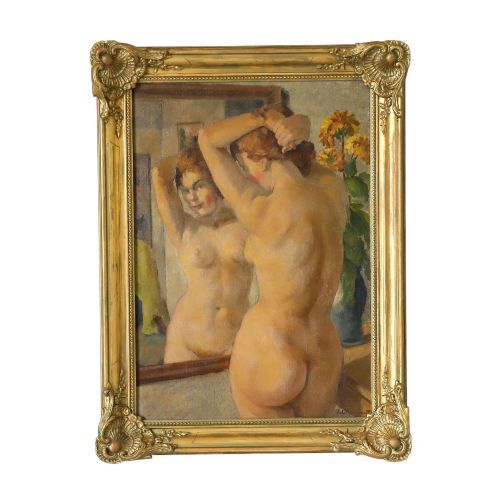


Mid Century Female Artwork
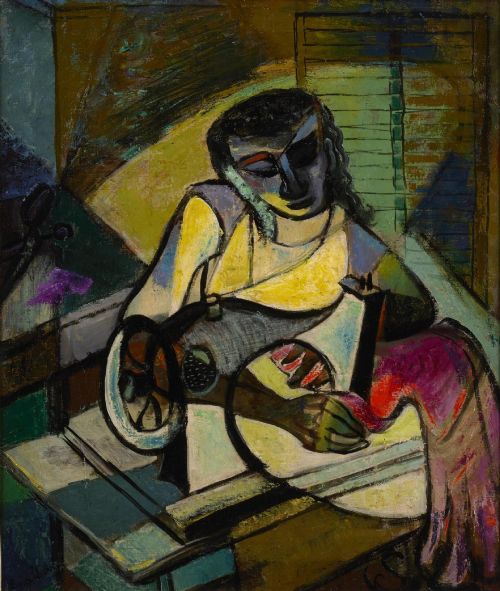
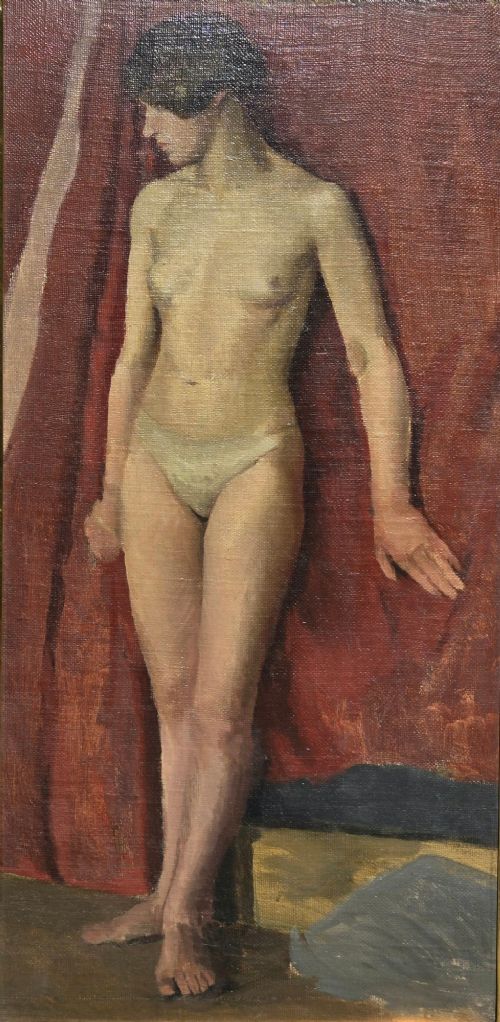
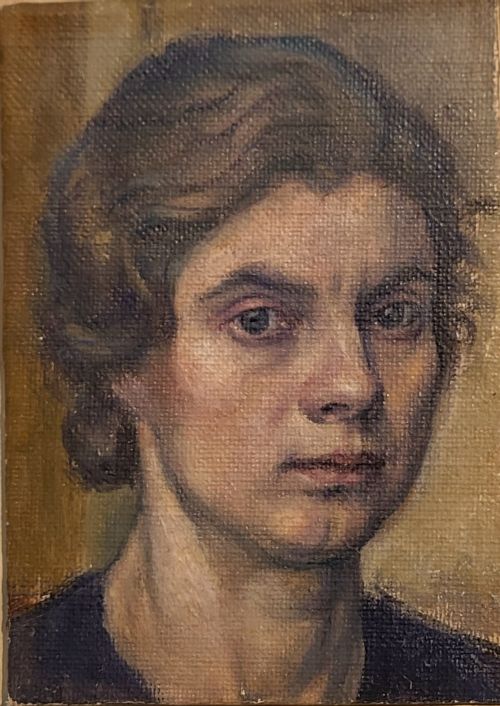
Mid century female artwork brings together striking portraits, expressive nudes and detailed figure studies created across the decades.
Mid Century Female Artwork
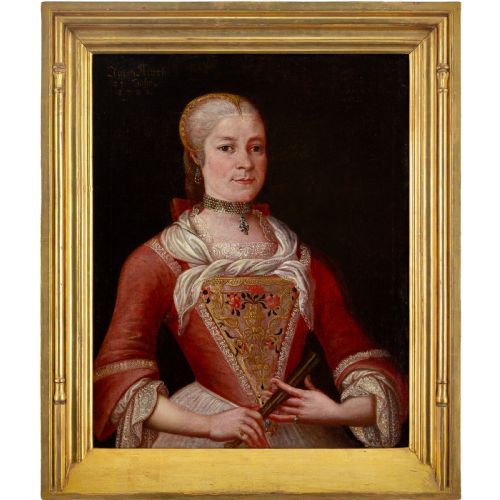
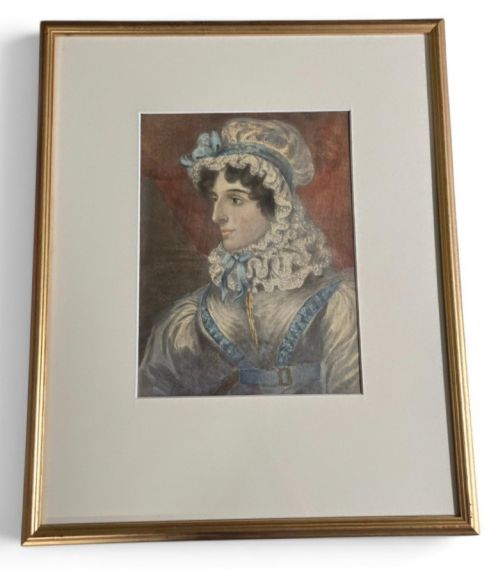
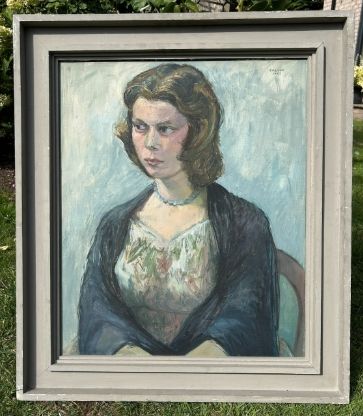
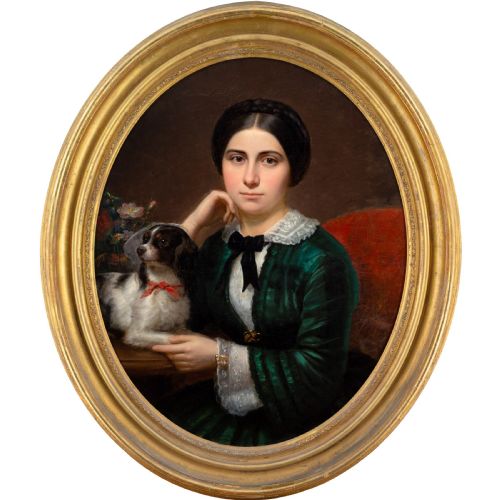
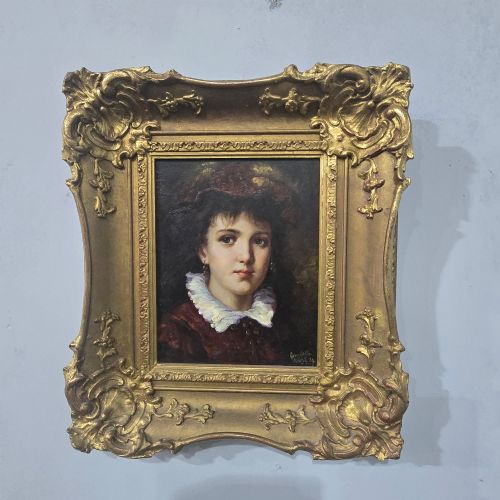
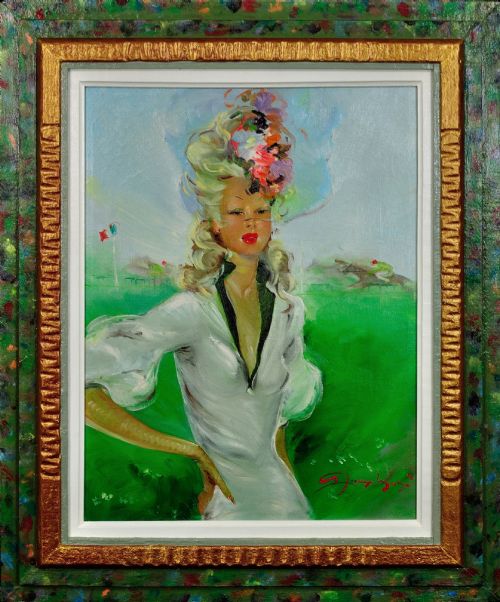
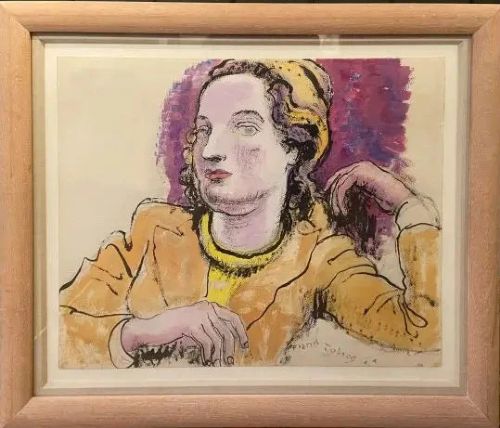
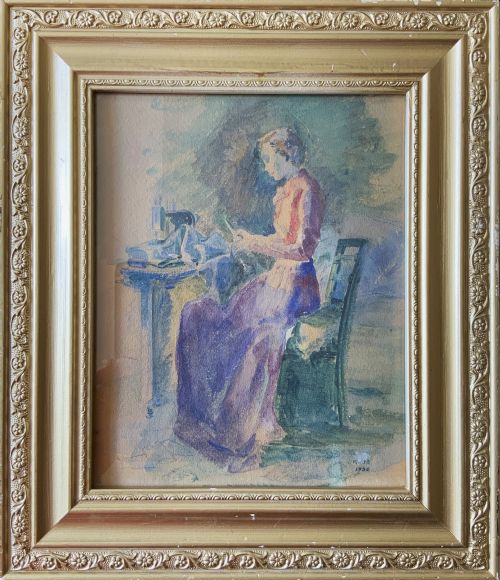
Mid century female artwork encompasses oil paintings, watercolours, pastels and drawings depicting women, often framed and ready for display. The selection ranges from earlier academic portraiture to mid-century expressionism, impressionism and modern British styles.
Buyers will encounter formal portraits of ladies alongside candid studies of dancers, bathers and seated figures. Works span from the eighteenth and nineteenth centuries into the mid-twentieth century, capturing changing approaches to female representation.
The offerings include named artists alongside regional and continental schools, providing a broad view of portraiture and figure painting across multiple eras.
Materials and Methods
Artists relied primarily on oil paint applied to canvas or wood panels, alongside watercolours and pastels worked on paper. These traditional media were frequently complemented by charcoal, chalk and pencil in preparatory life studies.
Canvases were stretched and secured within wooden frames, occasionally retaining gilded finishes or simple mouldings appropriate to their period of origin.
Listings feature oil paint, watercolour, pastel, canvas and paper across centuries of portraiture.
Evaluating Quality
Quality rests upon the confidence of the draughtsmanship and the artist's handling of light, shadow and form. Stronger works demonstrate assured brushwork and psychological depth in the subject's expression.
The integration of the figure within its setting and the preservation of the original surface condition further distinguish finer examples from standard decorative pieces.
Frank Dobson·Lena Gurr·Winifred Rymer·Philippe de Rougemont·Attilio Toro
The Mid Century Female Artwork Glossary
- Chiaroscuro
- The strong contrast between light and dark areas within a painting to create dramatic volume and depth. This technique is frequently seen in expressive figure studies.
- Impressionism
- A style of painting emphasising loose brushstrokes and the depiction of light rather than meticulous detail. It appears often in mid-century outdoor and interior scenes.
- Pastel
- A dry drawing medium consisting of powdered pigment and a binder, capable of producing rich colour and soft textures. Works in this medium are usually protected under glass.
- Provenance
- The documented history of ownership surrounding a work of art. It helps establish authenticity and origins.
- Regency
- An architectural and artistic style spanning the early nineteenth century, characterised by classical restraint and elegance.
Mid Century Female Artwork: Frequently Asked Questions
What periods do these artworks cover?
The works span from the eighteenth century through the Victorian era and into the mid-twentieth century. This variety reflects changing artistic tastes and movements over hundreds of years.
You will find pieces originating from British, French, Spanish, Italian and Scandinavian schools among the selections.
How should I care for a canvas painting?
Keep paintings away from direct sunlight and sources of extreme heat to prevent the canvas and oil paint from cracking or fading. Dust gently with a soft, dry cloth without applying pressure.
Avoid hanging pieces in damp environments like unventilated bathrooms to protect both the support and the pigments.
Are watercolours framed differently from oils?
Watercolours and works on paper require framing behind glass to protect the delicate surface from moisture and airborne pollutants. They are also typically mounted with acid-free board to prevent paper degradation.
Oil paintings on canvas or wood panels are usually displayed unglazed in wooden or gilded frames, allowing the texture of the paint to remain visible.
How do I identify a life study?
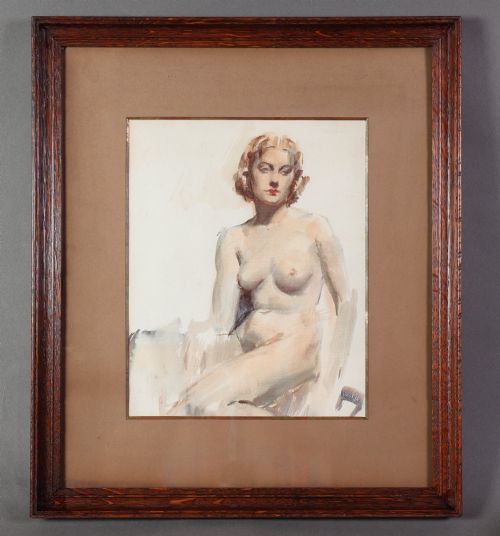
Life studies often focus on the human form using media such as charcoal, chalk or pencil on paper. They represent direct observation from a model rather than a finished compositional portrait.
These pieces frequently highlight the artist's immediate skill in capturing anatomy, posture and light without the embellishment of clothing or background settings.