

Mid Century Dining
Mid century dining brings together solid timbers and upholstered forms that furnish spaces for gathering.
Mid Century Dining
When searching for mid century dining, a buyer encounters a diverse selection of furniture spanning the eighteenth, nineteenth, and twentieth centuries. The assortment includes dining chairs, side chairs, dining tables, centre tables, and sideboards built for domestic utility and social gathering.
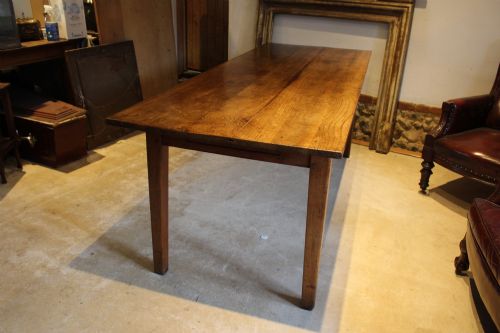
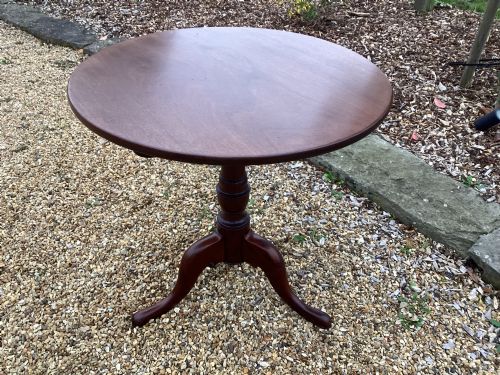
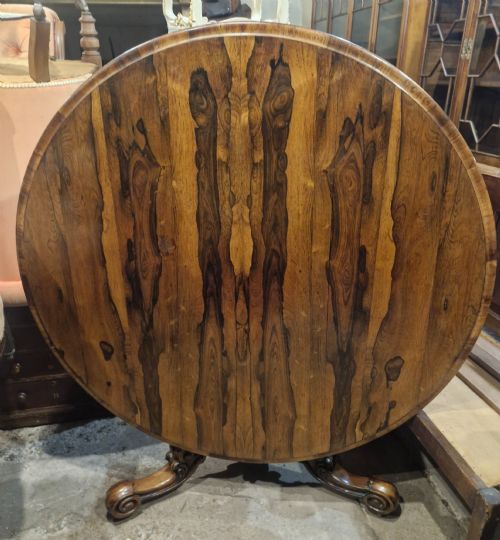
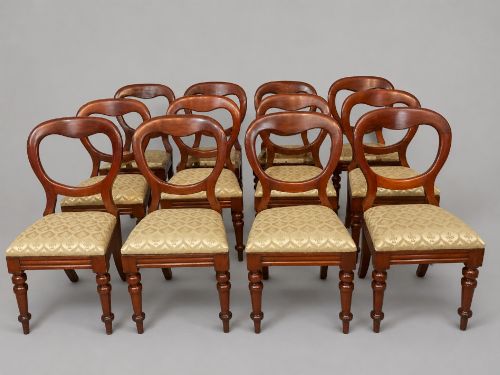
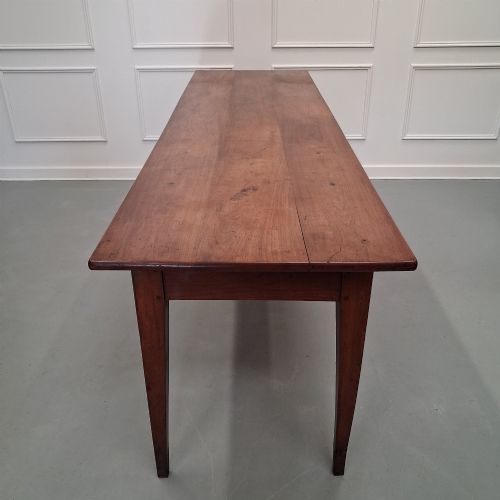
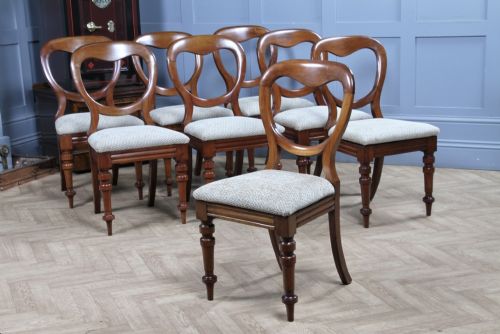
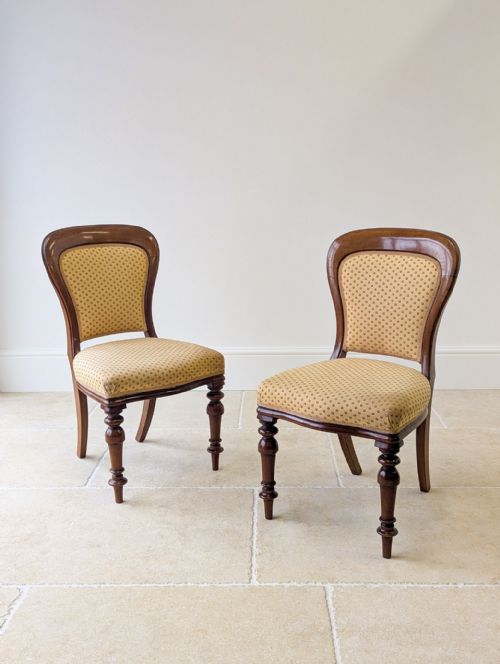
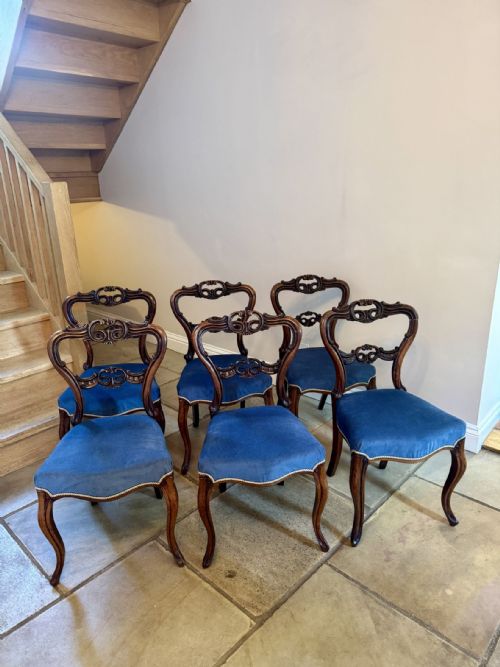
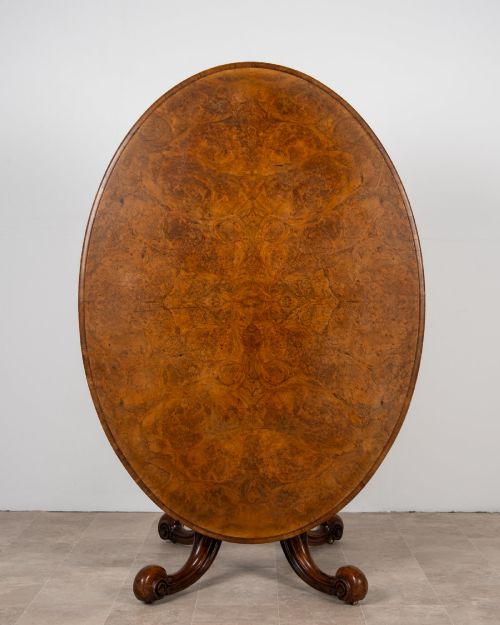
The most common versions met on this page are Victorian mahogany and rosewood dining chairs, alongside mid-twentieth-century designs like utility chairs and bentwood bistro seating. Tables range from large solid walnut drop-leaf examples to figured rosewood centre tables and breakfast tables.
Origin and period vary widely, encompassing eighteenth-century walnut chairs, mid-nineteenth-century mahogany dining sets, and mid-twentieth-century silver accessories. Pieces extend beyond seating and tables to include sideboards, chiffoniers, and serving pieces.
How they were made
Makers utilised dense timbers such as mahogany, rosewood, walnut, and pollard oak to construct frames and tabletops. Solid woods and figured veneers provided structural integrity and visual depth to dining tables and chair backs.
Upholstery incorporated fabric, velvet, and specific upholstery materials to pad seats and armchairs. Metal elements such as brass, sterling silver, and wrought iron appeared in hardware, candlesticks, and structural details.
Mid Century Dining Retail Price Guide 2026
Typical asking prices for mid century dining among the pieces listed under this phrase on Sellingantiques today, from the lower quarter to the upper quarter. They describe what is for sale here now, not the wider market.
Asparagus tongs and napkin rings prove that Victorian and mid-century dining required specific silver implements for every single morsel.
What varies in quality
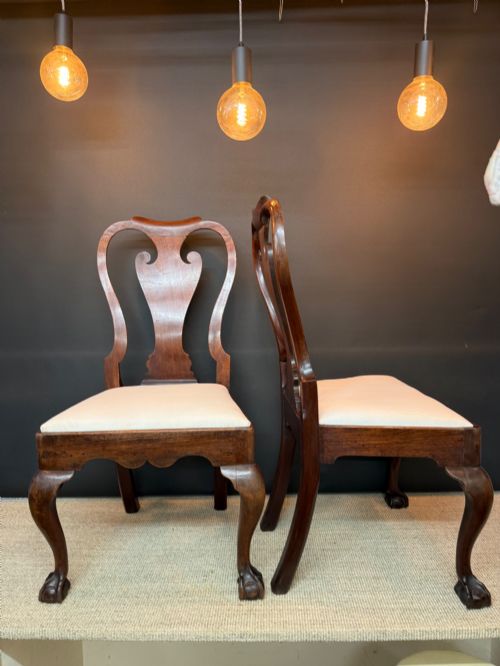
Quality rests upon the selection of timber veneers, such as finely figured satin birch or burr walnut, and the precision of carved details like ball and claw feet or pierced splat backs. Construction methods and the matching of timber grains across sets dictate the overall standard.
The coherence of matched sets and the depth of natural patina on surfaces separate ordinary utility items from superior examples. Masterly execution in joinery and carving distinguishes workshop production from standard output.
Elizabeth Eaton·R. E. Stone·Thonet·Georg Jensen·Gillows
The Mid Century Dining Glossary
- Balloon back
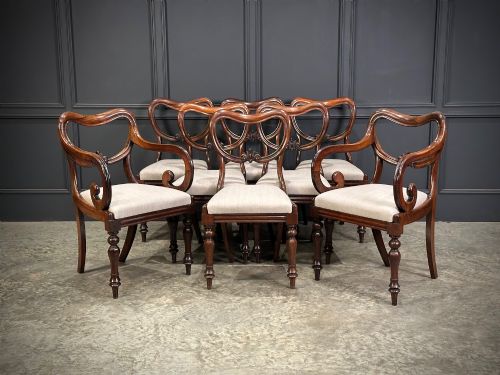
- A chair back shaped in a continuous curved outline resembling a balloon, common in Victorian seating. This form provided ergonomic support through its rounded wooden frame.
- Centre table
- A freestanding table designed to be viewed from all sides, placed centrally in a room rather than against a wall. These often featured figured rosewood or mahogany tops.
- Drop leaf
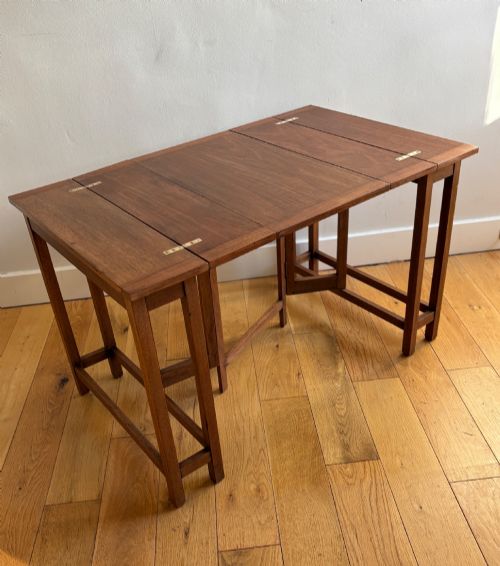
- A table with a fixed centre section and hinged flaps that fold down to save space. Larger dining versions utilised this mechanism to adjust surface area.
- Balloon back dining chairs
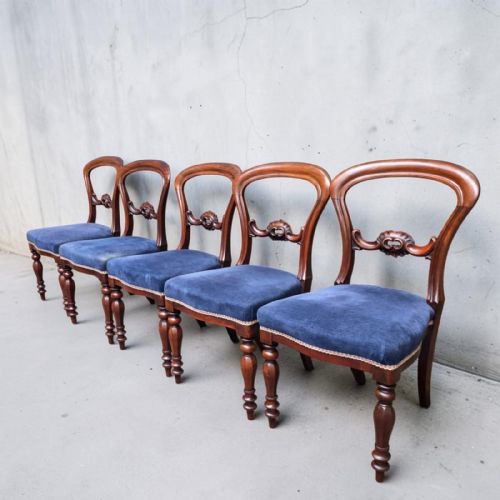
- Seating featuring rounded wooden backs designed for dining tables. Sets of these chairs typically appeared in mahogany or rosewood during the nineteenth century.
- Windsor chair
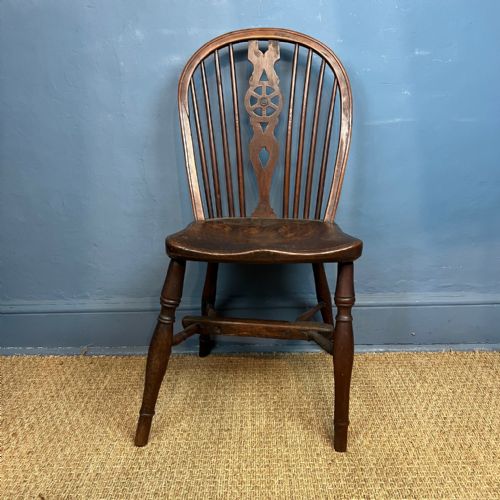
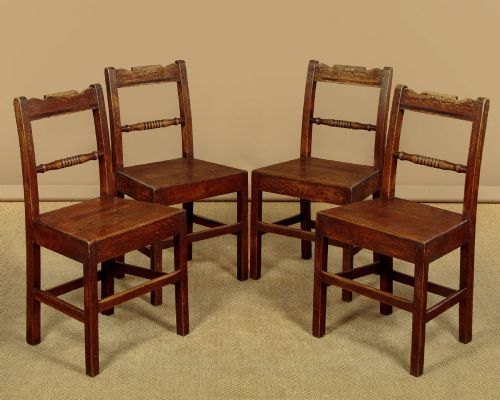
- A wooden chair constructed with turned legs and spindles inserted into a solid seat. Variations include smokers bow and kitchen utility forms.
Mid Century Dining: Frequently Asked Questions
What defines mid century dining furniture?
Mid century dining furniture encompasses tables, chairs, and sideboards produced across various eras, merging practical utility with traditional craftsmanship.
Items range from nineteenth-century mahogany dining sets to mid-twentieth-century bentwood and utility seating.
How do I care for timber dining tables?
Wooden surfaces require regular dusting and protection from direct heat and moisture to preserve the natural finish.
Polishing with appropriate products maintains the timber grain without damaging the antique patina.
Were dining chairs sold in sets?
Many nineteenth-century dining chairs were produced in matched groups ranging from four to twelve pieces.
Larger sets often included carver armchairs alongside standard side chairs for the heads of the table.
What timber was commonly used?
Mahogany, rosewood, and walnut dominated furniture production due to their strength and rich grain patterns.
Cabinetmakers utilised these hardwoods for both solid construction and decorative veneer work.