
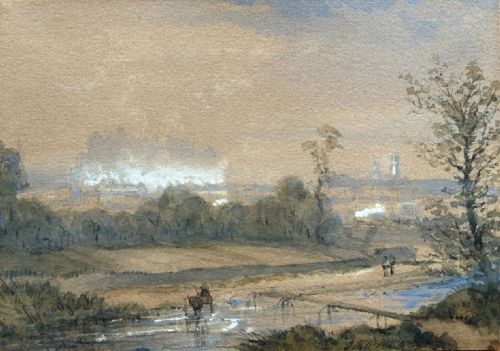
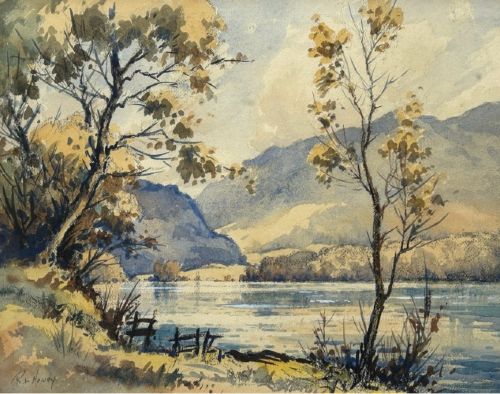
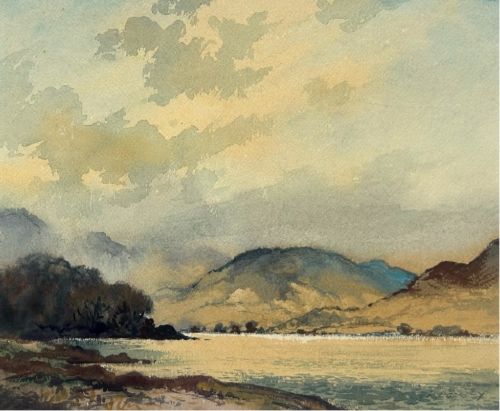
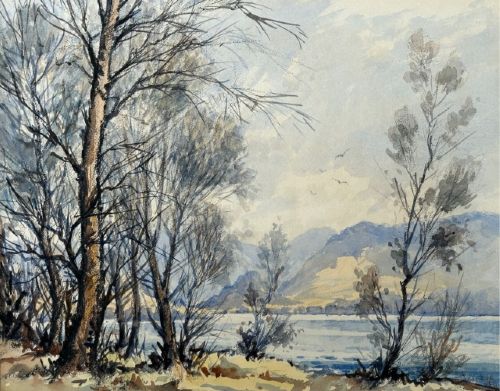


Mid Century British Watercolour
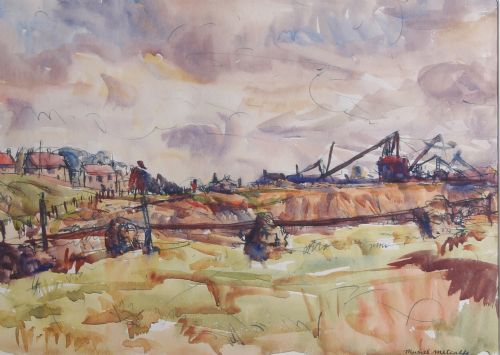
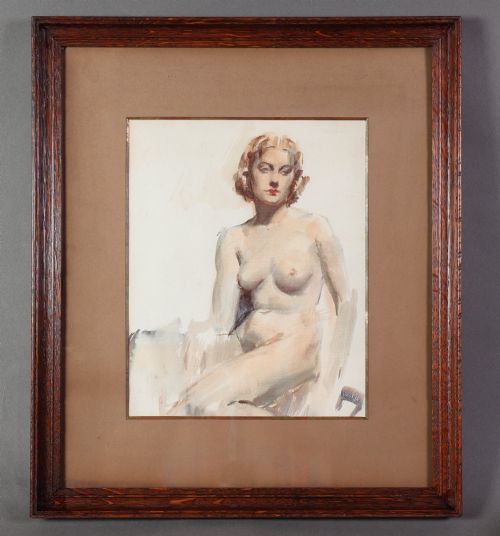
Mid century british watercolour paintings capture landscapes, still lifes, and coastal scenes through fluid pigment on paper.
Mid Century British Watercolour
A buyer seeking a mid century british watercolour will encounter works ranging from wartime studies to post-war impressionist landscapes and abstract compositions. The selection frequently includes regional views of Yorkshire, the Lake District, Scotland, and London executed on paper.
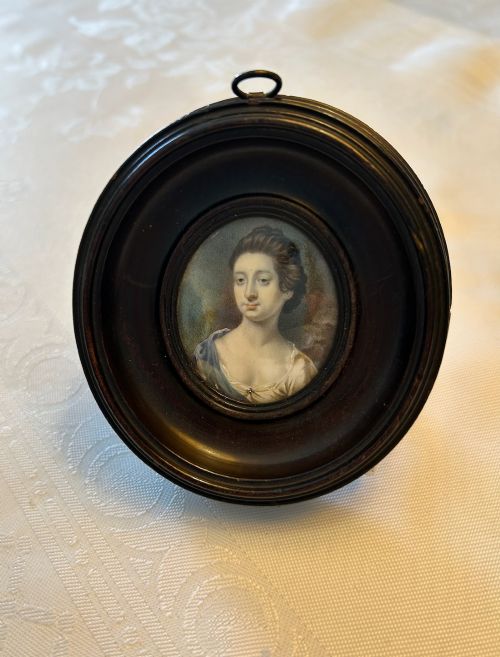
Beyond mid-century examples, the grouping extends to earlier nineteenth-century landscapes and Edwardian portraits, demonstrating the continuity of British paper-based art. These original paintings often arrive framed under glass within wood or ebonised surrounds.
The subjects reflect a deep engagement with topography, coastal geography, and domestic still lifes of flowers and fruit. Works span quiet village scenes, bustling bridges, and stark geological formations rendered in translucent washes.
Materials and execution
Artists relied primarily on watercolour pigment and paint applied to absorbent paper sheets, frequently combining ink or gouache to define contours and add opacity. Support materials typically include glass and wood frames that protect the delicate paper surface from atmospheric moisture.
Brushwork varies from loose, expressive washes capturing atmospheric light to precise architectural and botanical detailing. Pigments were manipulated while wet or built up in transparent layers to achieve depth in skies, water, and foliage.
Several watercolours meticulously record fleeting British weather, from Lake District downpours to desert canyons in Arizona.
Assessing quality and presence
Quality rests upon the artist's command of medium and composition, where confident brushwork and tonal balance distinguish accomplished paintings from conventional topographical sketches. Strong works demonstrate a distinct personal style rather than purely mechanical recording of scenery.
Condition of the paper and integrity of the pigment also influence the visual impact, as exposure to light can diminish delicate hues over decades. Original framing and well-documented provenance further enhance the historical standing of individual pieces.
Dame Elisabeth Frink·John Rattenbury Skeaping·Edward Seago·Charles F Tunnicliffe·Sir William Russell Flint
The Mid Century British Watercolour Glossary
- Watercolour
- A painting method in which finely ground pigments are suspended in a water-soluble binder and applied to paper. This technique allows for luminous, translucent layers of colour.
- Gouache
- An opaque water-based paint that includes white pigment to create solid, chalky areas of colour. Artists often combine it with watercolour for highlights.
- Provenance
- The documented history of ownership surrounding a work of art. It establishes authenticity and traces the journey of the painting.
- Impressionist
- A style focusing on the accurate depiction of light and its shifting qualities rather than minute detail. Post-war examples apply this freedom to British landscapes.
Mid Century British Watercolour: Frequently Asked Questions
How should I frame and hang watercolours?
Watercolours require framing behind glass with acid-free mounts to prevent direct contact between the paper surface and the glazing. This barrier protects the pigment from moisture and atmospheric pollutants.
Position these works away from direct sunlight to prevent the fading of sensitive washes and organic pigments over time.
What subjects are most common?
Landscapes dominate the selection, featuring rivers, mountains, and coastal villages across England, Scotland, and Wales. Urban street scenes and rural cottages also appear frequently.
Still life studies involving flowers, fruit, and pottery jugs form another prominent category within the mid-century period.
How do I identify a mid-century piece?
Mid-century works generally date from the 1930s through the 1960s, reflecting modern British, mid-century modern, or post-war impressionist styles. Subject matter and framing often provide immediate clues to this era.
Signatures, exhibition labels on the reverse, and stylistic handling of pigment help confirm the creation date.
Are these works always signed?
Many pieces bear the signature or monogram of the artist, sometimes accompanied by a date or location written directly on the paper. Signed works by documented painters are well represented in the inventory.
Unsigned examples frequently emerge under the designation of the British School, attributed through style, technique, and period materials.