



Mid 19th Century Miniature
These mid 19th century miniature pieces pack extraordinary detail into diminutive scales, offering collectors exquisite paintings, furniture, and carvings to handle and display.
Mid 19th Century Miniature
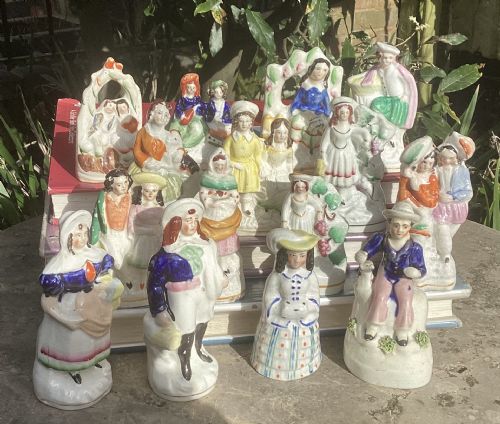
A mid 19th century miniature encompasses small-scale items created during the Victorian and mid-19th-century periods, spanning diverse global traditions from English and American folk art to Japanese Edo period carvings. Buyers encounter a wide variety of forms on this page, including diminutive chests of drawers, watercolour portraits, bronze figures, and earthenware Staffordshire figures.
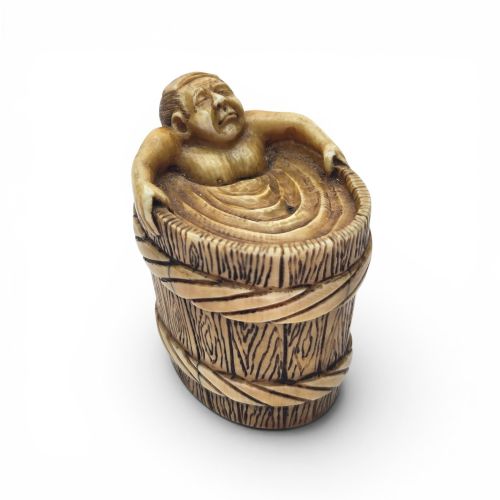
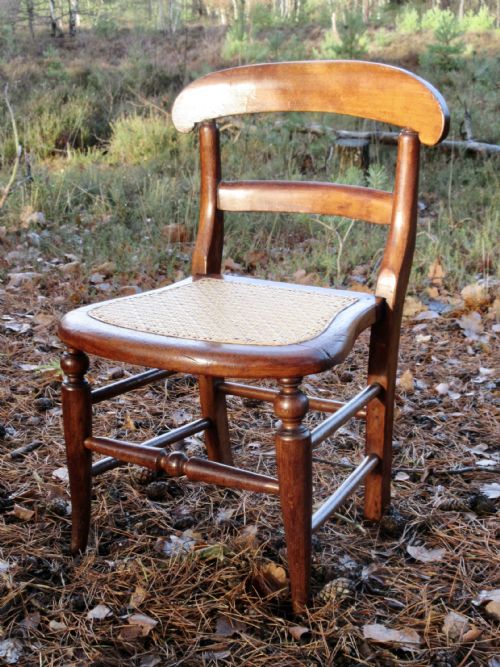
Furniture pieces like mahogany miniature bow front chests and childs Wellington chests replicate full-sized cabinet-making standards in miniature proportions. Meanwhile, decorative objects ranging from Dutch Delft miniature furniture to lacquer table cabinets and stag antler netsuke demonstrate the period's fascination with intricate small-scale craftsmanship across multiple materials.
How they were made
Earthenware and glaze define the Staffordshire figures and Dutch Delft furniture pieces, shaped by hand or mould before receiving blue and white or polychrome hand-painted decoration. Lacquer work on Chinese export cabinets involves layered resin finishes enriched with gilded ornamentation.
Tiny theatrical silkwork pictures allowed nineteenth-century embroiderers to stage entire dramatic performances using nothing more than coloured threads and a frame.
What varies in quality
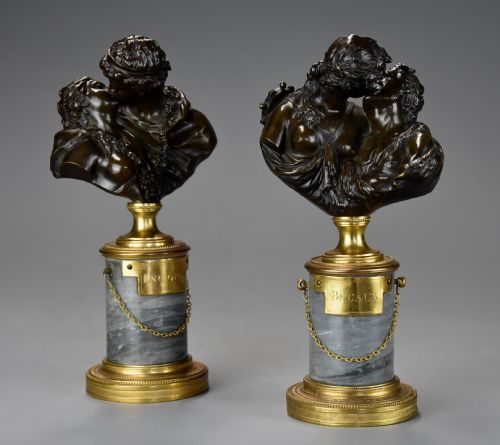
The refinement of execution separates standard examples from exceptional ones, particularly visible in the brushwork of portrait miniatures and the precision of joinery in miniature mahogany furniture. Finely carved netsuke and bronze figures display superior anatomical proportion and crispness of detail that lesser pieces lack.
Materials and surface preservation dictate the standing of each piece, with intact patinas on woods, undamaged glazes on ceramics, and clear, unblemished watercolours commanding greater appreciation among collectors.
Jean Antoine Houdon·J Bizo
The Mid 19th Century Miniature Glossary
- Netsuke
- A small Japanese toggle carved from materials like stag antler or boxwood, traditionally used to secure a pouch or small container to a kimono sash. These intricate carvings often depict animals or figures.
- Wellington chest
- A tall, slender chest of drawers featuring a locking side pilaster that secures all the drawers at once. In miniature form, cabinet-makers reproduced this complex locking mechanism with remarkable fidelity.
- Staffordshire figure
- A ceramic figurine modelled in earthenware and finished with hand-painted glazes, produced in the Staffordshire potteries. These popular display items depicted people, animals, and theatrical scenes.
- Skeleton clock
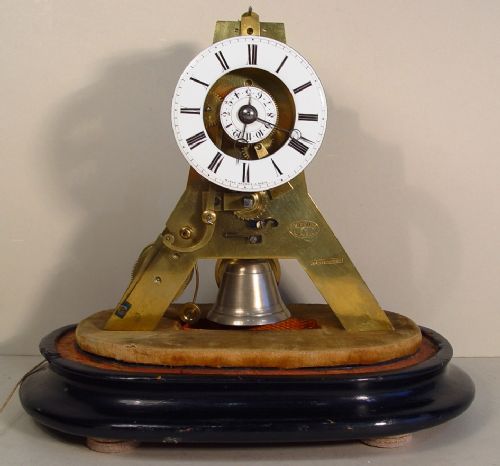
- A timepiece designed with an exposed brass or gilded movement where the plates are reduced to a skeletal framework. This allows the gear trains and escapement to be viewed from all sides.
- Edo period
- The historical period in Japan lasting from sixteen-0-three to eighteen-68, encompassing the mid-nineteenth century. Carvings from this era show high standards of organic sculpture.
Mid 19th Century Miniature: Frequently Asked Questions
What were miniature chests used for?
Miniature chests served various purposes, functioning primarily as salesmen's samples to demonstrate cabinet-making skills without carrying full-sized furniture, or as luxury dollhouse furnishings for affluent households.
Craftsmen also made them as apprentice pieces to prove mastery of dovetailing, drawer fitting, and polishing techniques before joining trade guilds.
How do I identify a mid 19th century portrait?
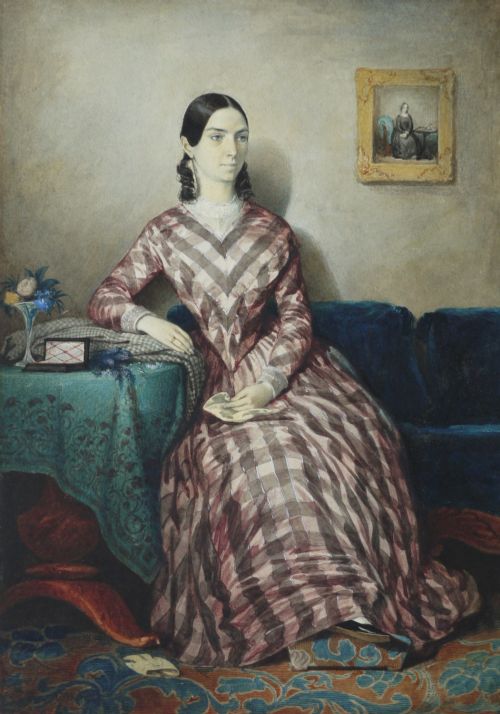
Mid-nineteenth century portraits typically employ watercolour on paper or ivory, framed within simple bezels or small wooden frames suited for desk placement or hand-held viewing.
Clothing styles, hairstyles, and sometimes direct artist signatures or dated inscriptions help anchor the piece to the eighteen-forties and eighteen-fifties.
Are miniature bronze figures hollow or solid?
Small bronze figures from this period are usually cast as solid metal to maintain adequate weight and durability at such a reduced scale. Founders used lost-wax or sand-casting methods to capture fine details from master models.
Patination was applied chemically to the metal surface to create deep brown or black tones that highlighted the underlying sculpture.
How should I clean antique lacquer cabinets?
Antique lacquer surfaces require gentle dusting with a soft, dry microfibre cloth to prevent micro-abrasions on the delicate resin and gilded decorations. Avoid using water, alcohol, or modern chemical cleaners, as these substances can soften or dissolve historic lacquer and varnish.
Keep such pieces away from direct sunlight and fluctuating radiator heat to prevent the wood substrate from warping and the lacquer from cracking.