



Mid 18th Century Engraving
These mid 18th century engraving examples bring tangible history to your walls and cabinets, offering genuine artistry from the Georgian era.
Mid 18th Century Engraving
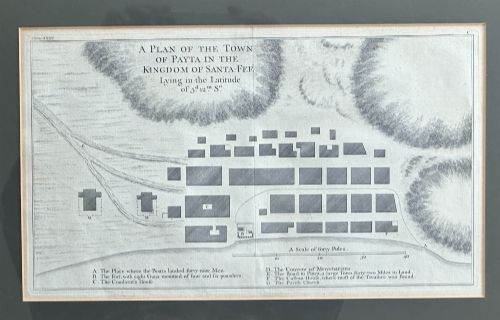
A mid 18th century engraving represents the detailed cartography and decorative arts produced during the Georgian period. Buyers seeking this category encounter framed maps of English counties and world voyages alongside related historical artefacts from around 1750.
The maps in this selection feature hand-coloured details and specific regional surveys produced by contemporary cartographers. These pieces capture the geographical and political landscape of the mid eighteenth century with remarkable precision.
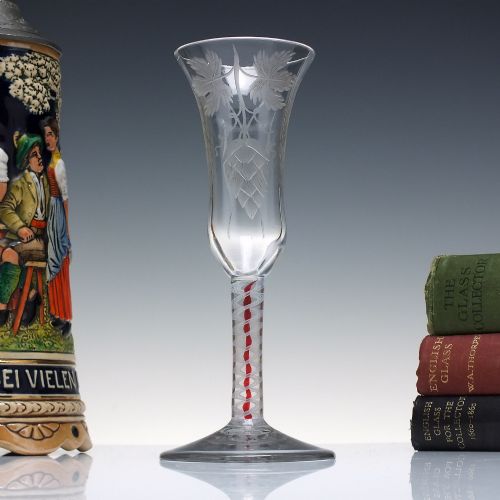
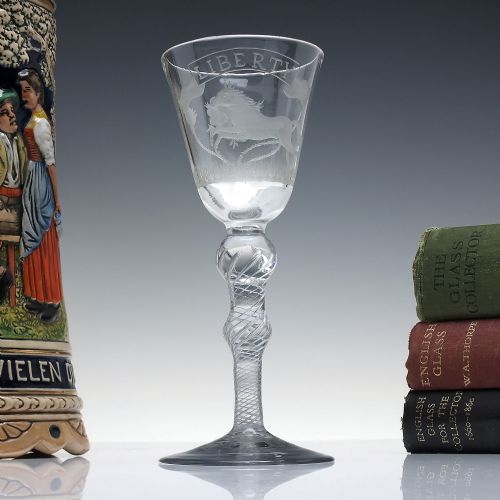
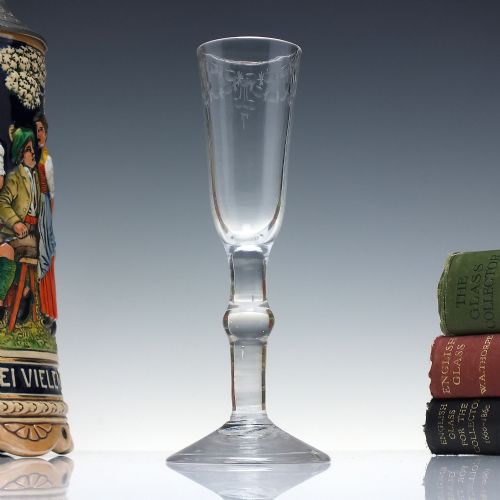
Beyond cartography, the broader evidence reveals objects and glassware sharing the same mid 18th century timeline, though paper remains the primary medium for engraved lines. Collectors focus on these printed works to anchor a room in the aesthetics of the 1700s.
How they were made
Makers produced these works using paper and ink, often applying colour by hand after the printing process. Engravers carved lines into metal plates to transfer intricate details onto the paper surface under pressure.
Framed examples utilise glass and paper to protect the delicate printed sheet from environmental damage. The combination of black ink lines and applied watercolour gives these Georgian maps their characteristic visual depth.
Cartographic works on this page include detailed regional maps dated to the mid eighteenth century alongside global voyage records.
What varies in quality
The clarity of the engraved lines and the preservation of the paper distinguish superior examples from ordinary ones. Strong, crisp impressions indicate a plate in good condition before wear softened the fine details.
The Mid 18th Century Engraving Glossary
- Engraving
- The process of cutting a design into a hard plate, usually metal, to hold ink for printing. This technique allowed makers to produce fine, reproducible lines on paper.
- Cartography
- The science or practice of drawing maps. Georgian cartography combined scientific survey with decorative border work.
- Georgian
- Relating to the period of the British monarchs George I, George II, George III, and George IV spanning from 1714 to 1830. Pieces from this era reflect distinct stylistic shifts towards classical and rococo forms.
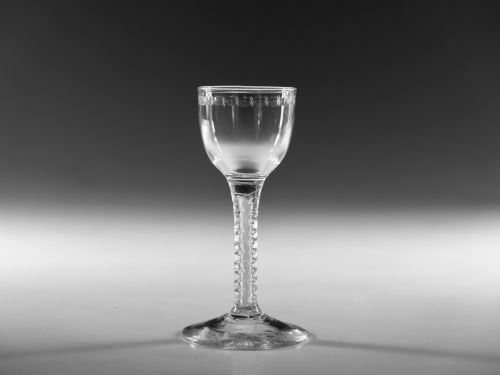
- Ratafia glass
- A narrow drinking glass used for serving sweet biscuits or cordials. These share the 18th century timeline of the broader collection.
Mid 18th Century Engraving: Frequently Asked Questions
How do I hang a framed map?
Choose an interior wall away from direct sunlight to protect the paper and ink from fading over time. Use appropriate fixings suited to the weight of the frame and the specific wall material.
Ensure the piece hangs securely at eye level to allow close inspection of the fine engraved details and hand-coloured cartography.
Are these maps original to the 1750s?
The pieces date from the mid 18th century, aligning with the Georgian period and specific dates recorded in the evidence such as 1756. They were produced during the eras they depict.
Examine the paper quality, ink consistency, and plate marks to understand the age and authenticity of each individual item.
How should I clean the glass on framed items?
Apply a mild glass cleaner to a cloth rather than spraying the surface directly, preventing any liquid from seeping beneath the frame edge. Wipe gently across the glass.
Keep moisture away from the antique paper and wooden frame to prevent staining or structural damage to the backing.
What subjects do these engravings cover?
The available subjects focus on cartography, including county maps such as Berkshire and records of global voyages. These documents illustrate the geographical knowledge of the Georgian era.
Other items from this period include glassware and decorative objects, broadening the scope of mid 18th century artefacts.