


Metamorphic Side Table
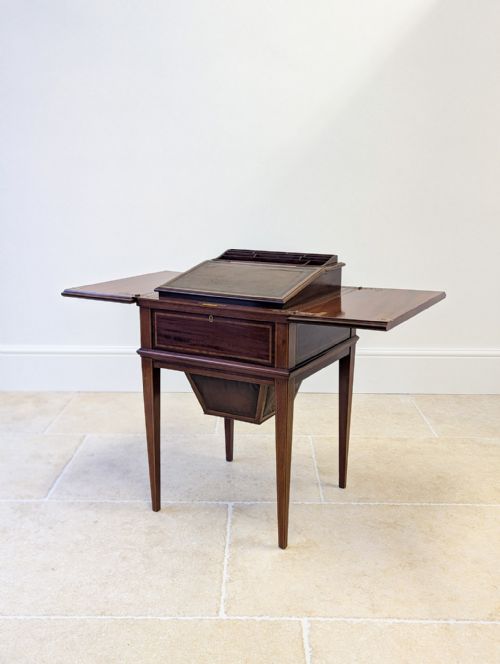
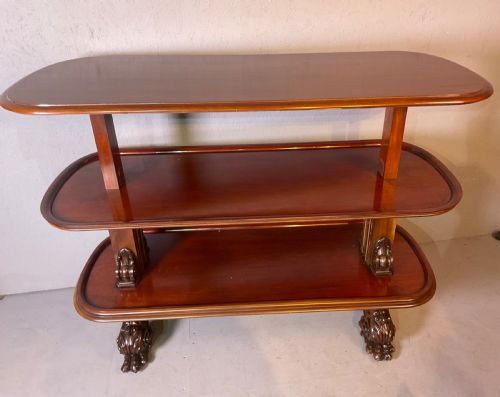
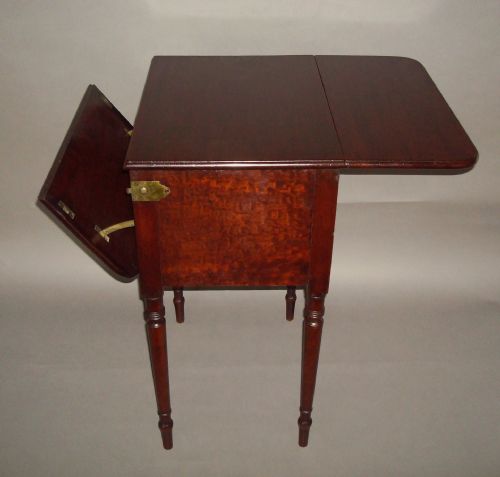
A metamorphic side table is a clever multi-purpose furniture piece that transforms from a compact stand into a dining surface, desk, or dumb waiter.
Metamorphic Side Table
A metamorphic side table operates as a dual-purpose or multi-functional design that shifts its shape or height to serve different domestic needs. When buyers search for a metamorphic side table, they encounter items that conceal mechanisms for extension, elevation, or tier adjustment.
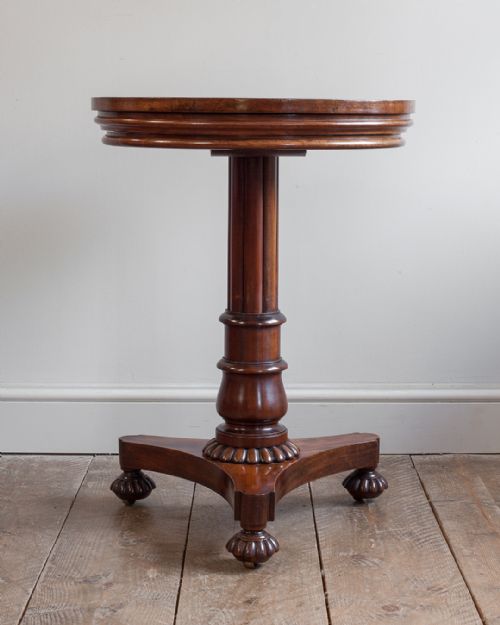
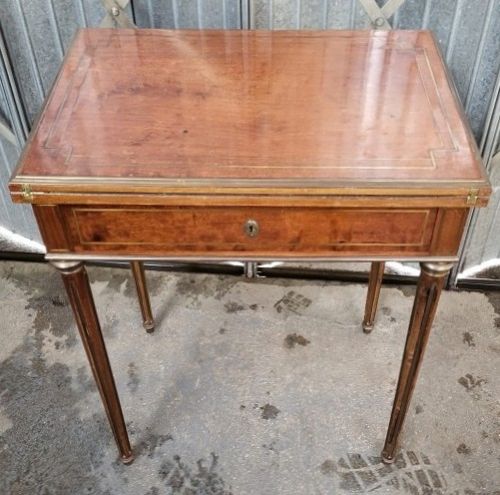
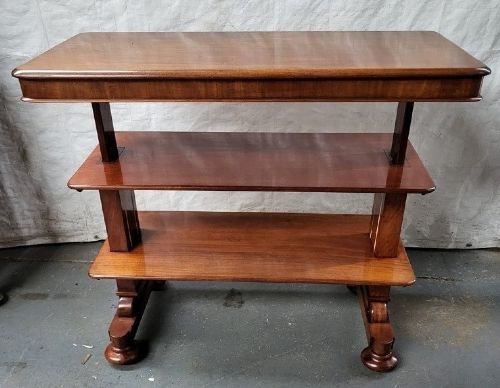
The pieces appearing on this page span the Georgian, Regency, and Victorian eras into the Edwardian period and the 1930s. Forms range from occasional tables and card tables to dumb waiters, serving buffets, and writing desks.
Mahogany and walnut dominate the structural timbers, often paired with veneers, brass fittings, and leather inserts. These convertible furnishings reflect practical ingenuity in domestic spaces from the nineteenth and early twentieth centuries.
How they were made
Cabinet makers built these convertible pieces primarily using solid mahogany and walnut, frequently applying fine wood veneers over secondary timbers. Boxwood stringing and brass mechanisms were integrated into the frames to allow smooth mechanical movement without compromising stability.
Internal hinges, ratchets, and rise-and-fall columns were engineered to withstand frequent transformation between configurations such as a side table and a dining surface or reading lectern. Leather writing inserts and turned wooden supports completed the construction of these complex items.
Some nineteenth-century tables manage to disguise themselves as ordinary side stands before revealing a complete set of library steps.
What varies in quality
The sophistication of the internal mechanism dictates the standard of a metamorphic piece, separating simple drop-leaf designs from intricate rise-and-fall or multi-tier deployments. Superior examples execute the transformation smoothly with concealed engineering and minimal visible wear.
The choice of timber and veneer work also defines the tier of craftsmanship, with figured mahogany and walnut paired with precise brass hardware and inlaid boxwood. Original leather surfaces and intact structural joinery elevate the standing of an individual table.
Incorporall
The Metamorphic Side Table Glossary
- Metamorphic
- Furniture designed to transform into another object, such as turning a side table into a dining surface or library steps.
- Dumb Waiter
- A multi-tiered serving table used for holding dishes or drinks, often featuring graduated shelves or revolving tiers.
- Cellarette Table
- A specialised cabinet or table designed for storing and serving bottled wine and spirits.
- Rise-and-fall
- A mechanical action allowing the height of a table top or tier to be adjusted vertically.
- Veneer
- A thin layer of finely figured wood applied over a secondary timber base to create a decorative exterior surface.
Metamorphic Side Table: Frequently Asked Questions
What is a metamorphic side table?
A metamorphic side table is a convertible piece of furniture designed to change its form or function, shifting from a compact surface into a desk, dining table, or serving stand.
These designs conceal hinges, sliding leaves, or lifting mechanisms that allow the owner to alter the piece according to immediate domestic requirements.
How do you use a dumb waiter table?
A dumb waiter functions as a multi-tiered serving stand positioned beside a dining table to hold plates, glassware, and dishes during a meal.
In metamorphic versions, the tiers often adjust in height or fold away to allow the piece to serve as a standard side table when not in use for dining.
What materials are typical for these tables?
Mahogany and walnut form the primary structural timbers for the majority of these convertible pieces, often enhanced with decorative wood veneers and boxwood stringing.
Hardware components rely heavily on brass for hinges, ratchets, and handles, while writing or gaming surfaces frequently incorporate fitted leather panels.
How do I identify the period of a metamorphic table?
Dating relies on stylistic markers such as George III or Regency proportions, Victorian mass, Edwardian inlay work, or 1930s Art Deco geometric lines.
The complexity of the brass hardware and the choice of secondary timbers also provide clues to the decade of manufacture.