



Metal Vanity Table
These metal vanity table pieces combine functional glass with decorative brass, chrome, and bronze, offering a dressing surface the way a dressing table does.
Metal Vanity Table
A metal vanity table selection centres primarily on table mirrors, dressing table mirrors, and vanity mirrors rather than large standing pieces of furniture. These items range from compact toilet mirrors to portable shaving mirrors designed for surface placement.
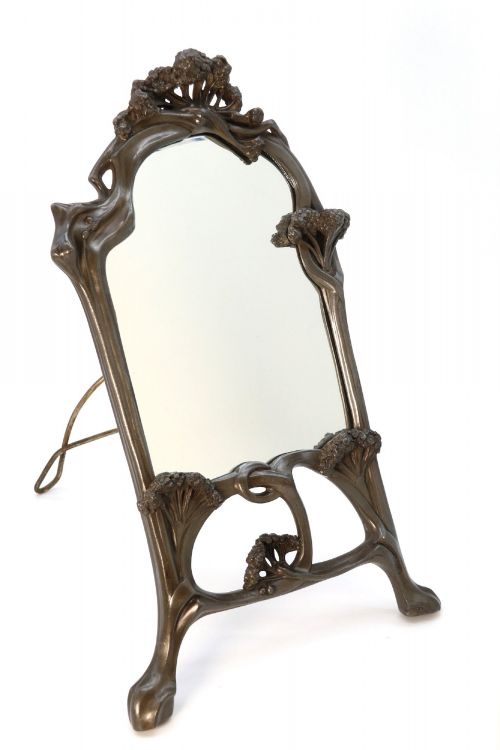
Most examples originate from the nineteenth and twentieth centuries, spanning Victorian, Art Nouveau, and Art Deco periods. French workshops feature strongly alongside English and international makers.
Smaller associated accessories like trinket boxes, pin dishes, and hand-held dressing sets often accompany the main mirrors within this category. Each piece serves the routine of personal grooming while acting as a decorative surface object.
Materials and construction
Makers utilised a variety of cast and forged metals including bronze, brass, spelter, chrome, and gilt metal, often combined with bevelled glass. Heavier frames incorporate marble bases or wooden structural elements to maintain stability on a dressing surface.
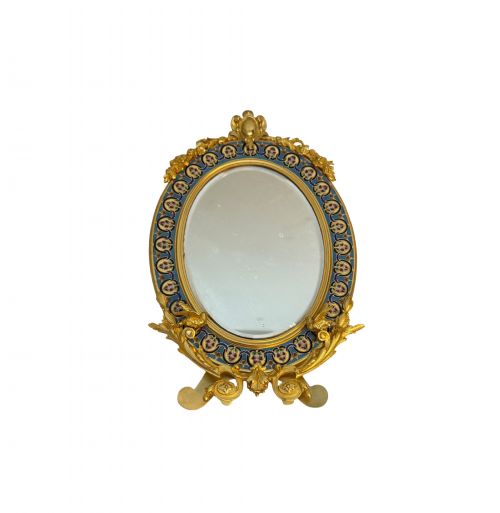
Surface decoration relies on techniques such as silver plating, gilding, and champlevé enamel work. Art Nouveau and Arts and Crafts pieces display naturalistic motifs like stylised honesty seed pods formed directly in copper or pewter.
Metal Vanity Table Retail Price Guide 2026
Typical asking prices for metal vanity table among the pieces listed under this phrase on Sellingantiques today, from the lower quarter to the upper quarter. They describe what is for sale here now, not the wider market.
Listings feature periods from the nineteenth century through to the nineteen-fifties, incorporating brass, chrome, and glass.
Grading craftsmanship
Quality rests in the crispness of the metal casting and the depth of the chasing work on bronze and brass frames. Superior examples display clean joints, intact mercury or silver backing on the original glass, and robust hinge mechanisms.
The choice of secondary materials such as genuine marble or heavy champlevé enamel distinguishes standard production items from workshop pieces created by known makers.
Louis Auguste Moreau·Cartier London·Mirror Brot
The Metal Vanity Table Glossary
- Champlevé
- An enamelling technique where troughs are dug into a metal surface and filled with vitreous enamel before firing. This method creates colourful patterned borders on nineteenth century frames.
- Ormolu
- Gilded bronze produced by applying a mercury and gold amalgam to a bronze base, common in French Empire pieces. The technique produces a rich, matte yellow gold finish.
- Spelter
- A zinc alloy used as a cheaper alternative to bronze for decorative castings during the late nineteenth and early twentieth centuries. It accepts patination and metallic paint finishes readily.
- Toilet mirror
- An alternative historical term for a table mirror designed to sit atop a chest of drawers or dressing table. These mirrors often feature adjustable tilt pivots.
Metal Vanity Table: Frequently Asked Questions
How do I clean a vintage metal vanity mirror?
Dust the frame gently with a soft dry cloth to protect exposed gilding or patinated bronze surfaces. Avoid chemical metal polishes that can strip original platings or seep behind the glass plate.
Keep glass surfaces clean using a minimal amount of standard glass cleaner applied to a cloth rather than sprayed directly onto the frame. Check pivot screws periodically to ensure they remain secure without overtightening.
Were these mirrors originally part of larger dressing sets?
Many table mirrors were produced alongside matching trinket boxes, hairbrushes, and pin dishes to form comprehensive dressing table ensembles. Individual pieces often survive independently after families dispersed the original sets over time.
Matching the metal finish and period style helps identify related dressing accessories when building a cohesive display on a modern surface.
How can I tell an Art Deco mirror from a Victorian one?
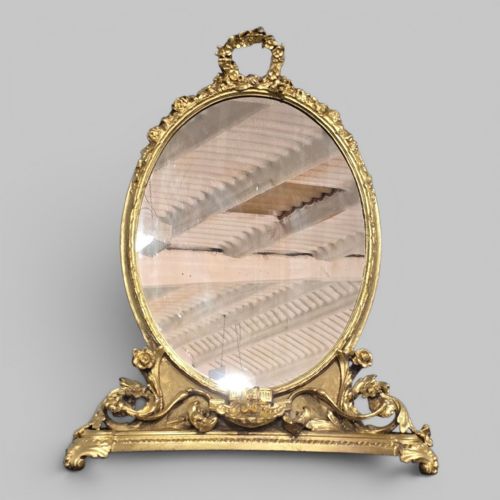
Victorian mirrors lean towards ornate Rococo scrolls, heavy cast bronze, and floral motifs derived from historical revivals. They frequently employ traditional bevelled glass within elaborate gilt frames.
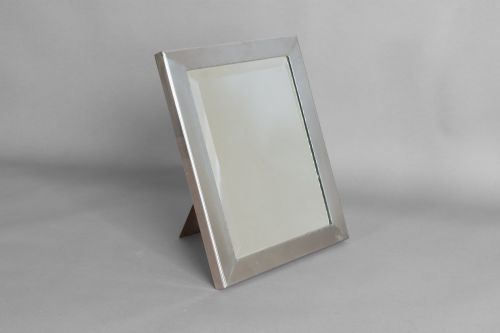
Art Deco examples favour streamlined chrome, geometric forms, and minimal ornamentation typical of the nineteen-thirties. The transition from heavy casting to tubular metal defines this shift in style.
Can these mirrors be safely used on modern dressing tables?
These pieces function well on modern surfaces provided the weight of the metal and marble base is supported properly. Tabletop models require adequate depth to accommodate the tilt angle of the mirror glass.
Ensure felt or protective pads are placed beneath heavier bronze or iron bases to prevent scratching polished wood surfaces in your home.