



Metal Table Decor
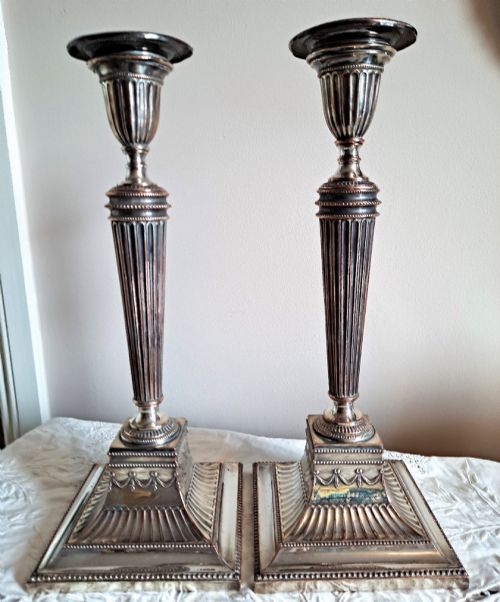
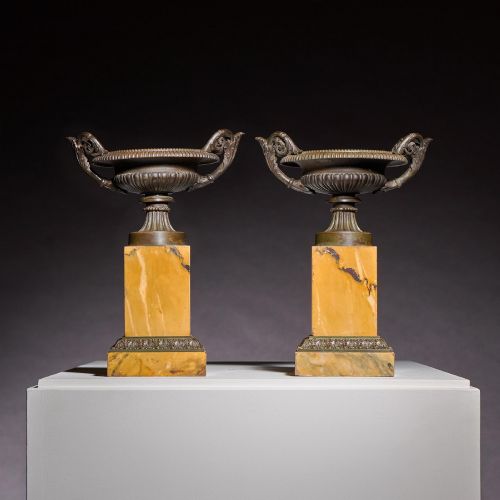
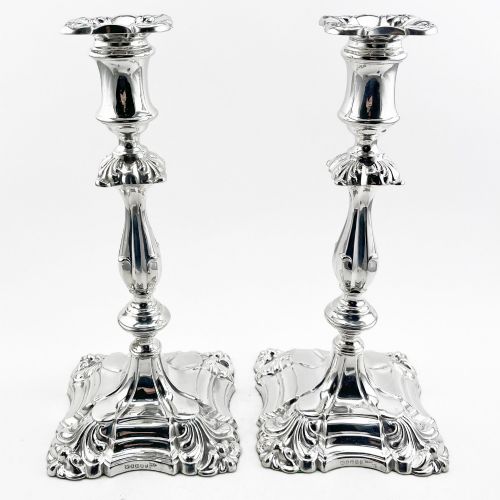
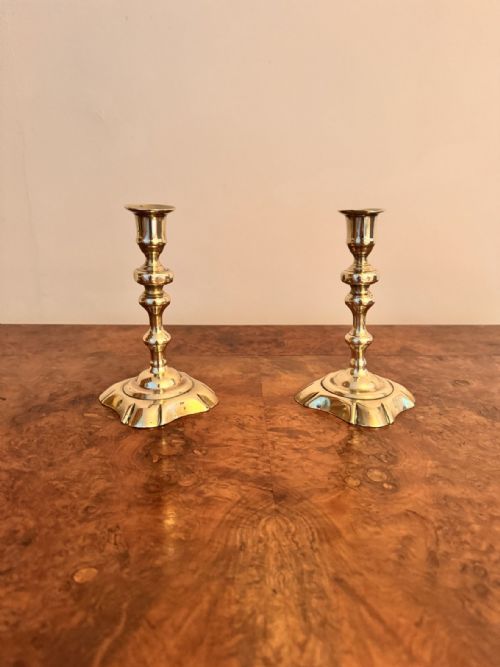
Metal table decor brings weight and historic character to a room, offering everything from heavy brass candlesticks to patinated bronze centerpieces.
Metal Table Decor
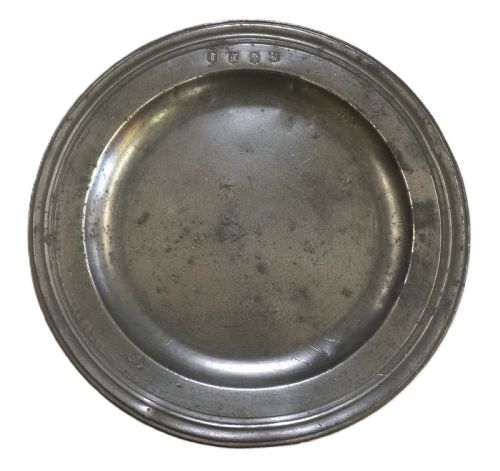
When you search for metal table decor, you encounter an array of functional and decorative items designed for surfaces, most commonly candlesticks, centerpieces, and sculptural figures. These objects span multiple centuries, ranging from seventeenth-century pewter plates to twentieth-century silver-plated wine buckets and art deco figures.
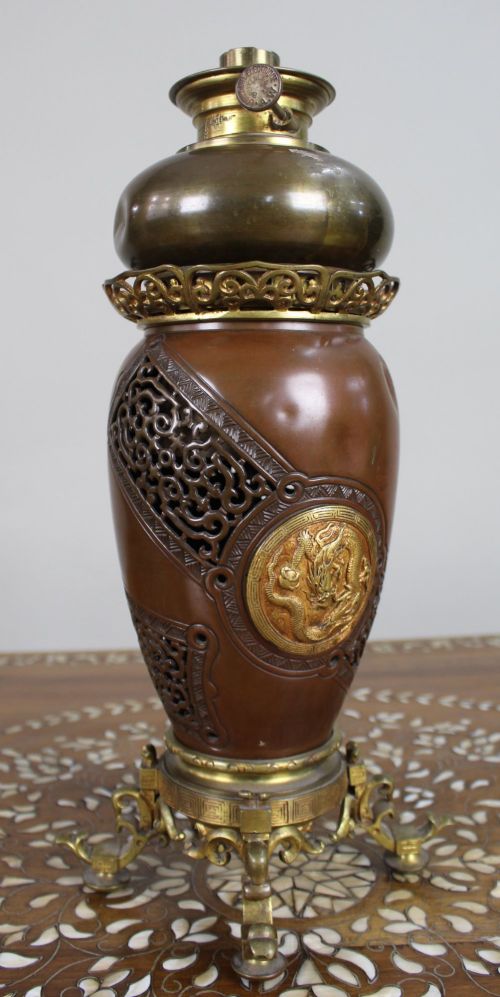
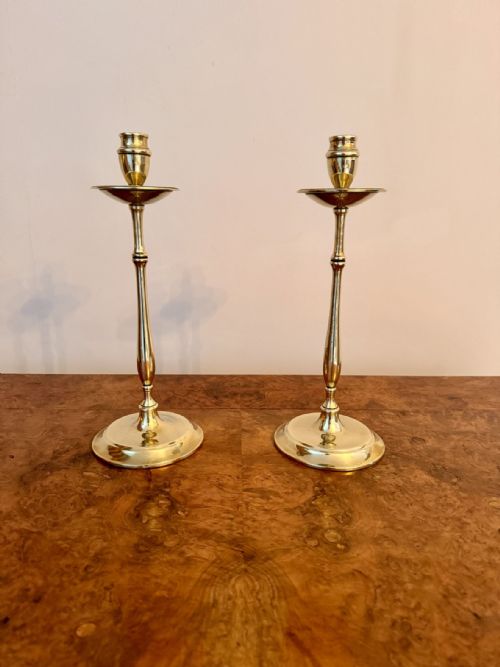
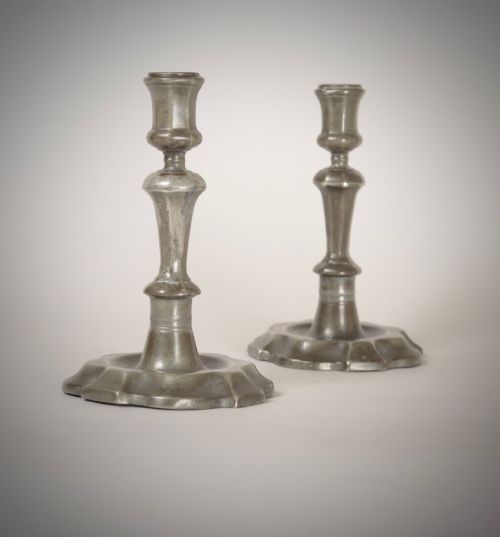
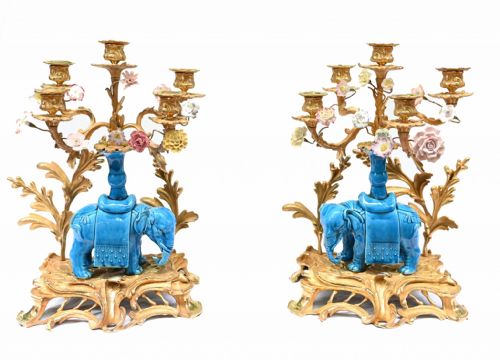
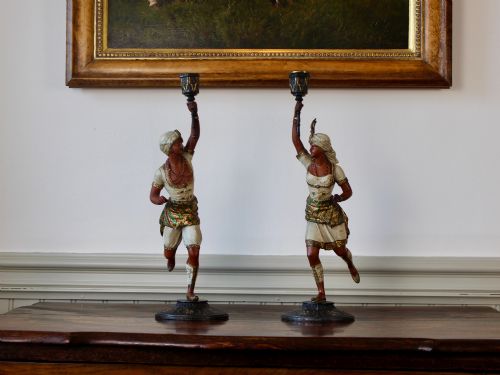
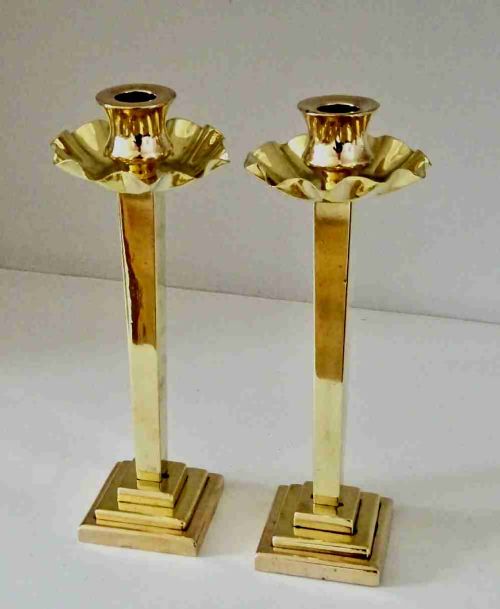
The pieces appearing on this page lean heavily towards lighting and display items, with brass candlesticks and bronze sculptures forming the bulk of the selection. Alongside these traditional forms, buyers find nautical pieces such as ship bells and model cannons, reflecting varied domestic and maritime uses across different eras.
Materials and construction methods
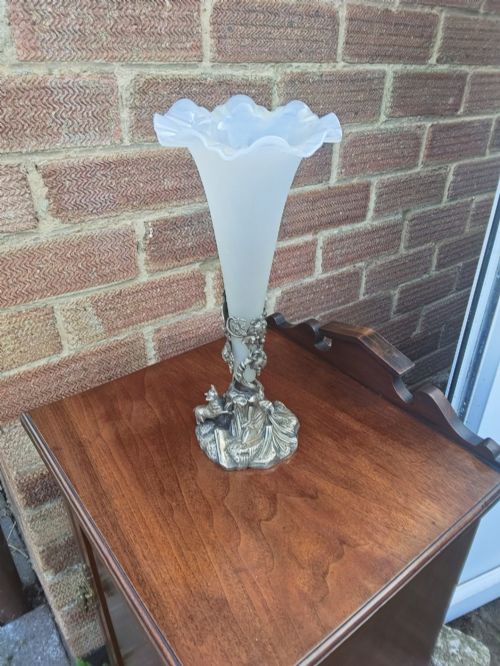
The construction of these items relies on traditional metalworking techniques appropriate to their period, utilising brass, bronze, pewter, cast iron, and silver plate. Makers shaped these materials through casting, seaming, and cold painting, often combining metal with mirrored glass or opaque glass components in epergnes and centerpieces.
Surface finishes vary significantly across the inventory, displaying patinated bronze, silvered metal, and gilt details. Items like paktong candlesticks and toleware chestnut urns demonstrate specific regional and material choices characteristic of their respective manufacturing dates.
Metal Table Decor Retail Price Guide 2026
Typical asking prices for metal table decor among the pieces listed under this phrase on Sellingantiques today, from the lower quarter to the upper quarter. They describe what is for sale here now, not the wider market.
Cast iron cannons and fighting cockerels prove that historical dining tables occasionally needed a touch of aggressive diplomacy.
Distinctions in quality and execution
Quality in these decorative items rests on the crispness of the casting and the integrity of the surface finish, whether patinated, cold painted, or silver plated. Finer examples display deliberate attention to detail in figural elements, such as winged cherubs on centerpieces or the plumage on fighting cockerels.
The proportion and weight of a piece often indicate its standard of manufacture, particularly in seamed bronze or heavy brass candlesticks where structural balance matters. Maker marks, where present on pewter plates or brass stems, further separate standard production from superior workshops.
The Metal Table Decor Glossary
- Paktong
- An alloy of copper, nickel, and zinc originating in China, prized for its bright, silver-like appearance in eighteenth-century candlesticks.
- Toleware
- Tinplate metal that has been japanned or painted, commonly used for decorative urns and vessels during the Regency period.
- Spelter
- A zinc alloy frequently used as a cheaper substitute for bronze in nineteenth-century figural castings and candlesticks.
- Epergne
- An ornamental centrepiece featuring multiple branching dishes or holders, often combining white metal and opaque glass.
- Patination
- The natural or induced ageing of a metal surface over time, creating distinct colour tones that collectors value on bronze and brass.
Metal Table Decor: Frequently Asked Questions
How do I clean antique brass candlesticks?
Cleaning historic brass requires a gentle approach to preserve the underlying metal and any accumulated patina that shows its age. Avoid harsh commercial abrasive cleaners that strip away the surface character.
Instead, use a soft cloth with mild soapy water to remove dust and surface grime. Dry the piece thoroughly afterward to prevent water spotting.
What is the difference between bronze and spelter?
Bronze is a heavy copper alloy containing tin, known for its durability and capacity to hold fine sculptural detail. Spelter is a zinc-based alloy that is lighter in weight and softer, frequently used in nineteenth-century decorative figures.
You can often tell them apart by checking the weight and inspecting the underside for the greyer, more brittle nature of zinc beneath the paint.
How were table centrepieces used historically?
Table centrepieces served as the focal point of dining room tables during formal meals, often holding fruit, flowers, or sweetmeats. Pieces with mirrored glass bases or winged cherubs added reflected light and visual drama to the dining setting.
Wealthy households used silvered metal and patinated bronze vessels to display their taste and status to guests.
Can I date a piece by its metal composition?
Metal composition offers strong clues regarding the period of manufacture, as certain alloys and plating techniques gained popularity at specific times. For instance, paktong was favoured in the eighteenth century, while silver-plated figures became common by the early twentieth century.
Combining material analysis with construction methods like seaming helps narrow down the production era.