



Metal Relief Panel
A metal relief panel brings tactile depth and sculptural form to a wall, working well as a focal point in a traditional study or a modern living room.
Metal Relief Panel
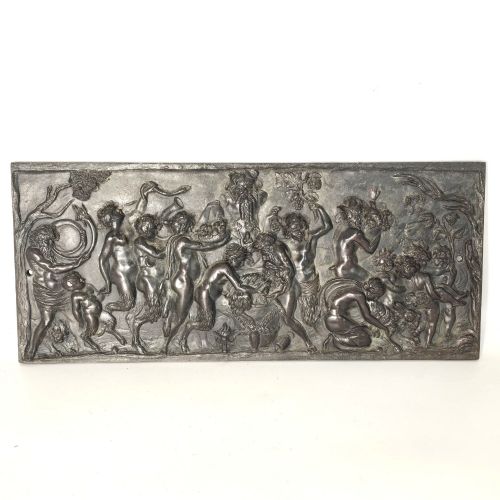
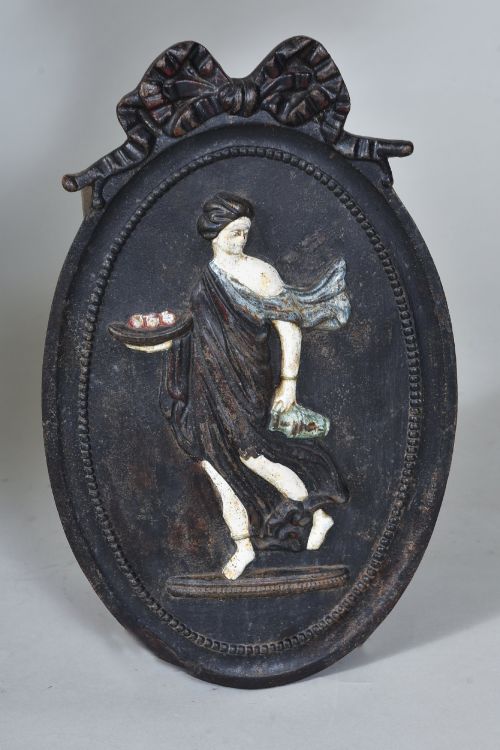
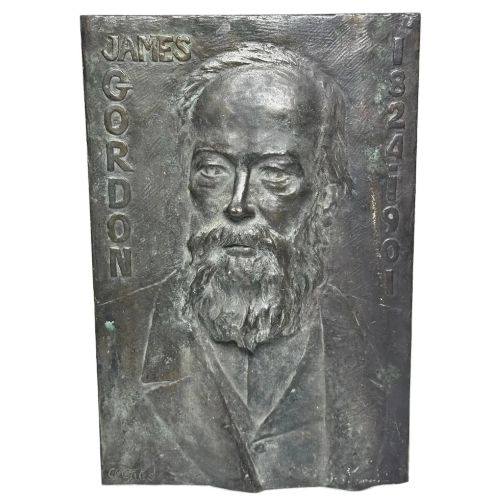
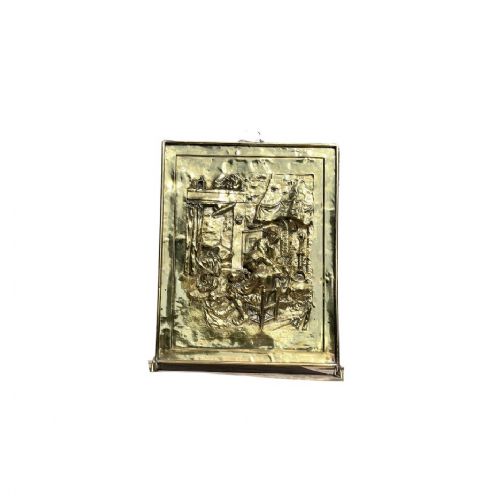
A metal relief panel is a sculptural wall plaque or mounted artwork where figures, portraits, or scenes stand out from a flat background. When you search for a metal relief panel, you encounter diverse forms ranging from portrait plaques and heraldic shields to fire screens and architectural fragments.
The pieces appearing on this page span several centuries, with a strong representation of nineteenth-century bronze and copper works. You will also find specialised items such as sixteenth-century scholar's censer panels, jewellery caskets, and early twentieth-century art deco wall art.
Origins vary widely across the selection, including English, French, Italian, and Indo-Persian pieces. Wall plaques and wall art dominate the forms, alongside functional items that incorporate relief decoration.
Materials and construction
Makers utilised metals such as bronze, copper, brass, cast iron, white metal, and lead to create these panels. Bronze and copper predominate, frequently paired with wood, oak mounts, paint, silver-plating, or gilding.
Techniques involve casting, hammering, and chasing the metal to achieve high or low relief depth. Panels are often mounted onto wooden boards or integrated into larger objects like jewellery caskets and fire screens.
Metal Relief Panel Retail Price Guide 2026
Typical asking prices for metal relief panel among the pieces listed under this phrase on Sellingantiques today, from the lower quarter to the upper quarter. They describe what is for sale here now, not the wider market.
The inventory records metal relief panels spanning from the 16th century through the 1940s, executed in bronze, copper, brass, iron, and lead.
What separates the best examples
The presence of a known signature, a legible foundry mark, or precise historical attribution elevates an individual piece. Materials also play a role, particularly where skilled gilding, silvering, or patination enhances the visual depth.
Alice Gates·Eugene Canneel·Coalbrookdale·Shadwell Bros
The Metal Relief Panel Glossary
- Relief
- A sculptural technique where figures project from a flat background. High relief stands out significantly, while low relief remains closer to the plane.
- Patina
- The surface sheen or colour that develops on metal over time through age and handling. A stable patina indicates natural oxidation rather than aggressive cleaning.
- Chasing
- The process of refining metalwork by hand with small punches and chisels after casting. This technique sharpens details and cleans up surface textures.
- Censer
- A vessel used for burning incense. In Asian metalwork, these often feature intricate relief panels depicting natural motifs or traditional scenes.
- Heraldic
- Pertaining to coats of arms and genealogy. Heraldic plaques display specific family crests, military insignia, or civic arms.
Metal Relief Panel: Frequently Asked Questions
How do I hang a metal relief panel?
Most panels feature built-in hanging loops, rear mounting brackets, or are attached to wooden backing boards with secure fixings. Ensure your wall fixings match the weight of the metal and the supporting mount.
Check the reverse of the panel before installation to determine the safest mounting method. Heavy bronze and cast iron pieces require robust wall anchors.
What is the best way to clean a bronze panel?
Dust the surface gently with a soft, dry cloth to remove surface particles. Avoid chemical polishes and abrasive cleaners, which can strip the historical patina and damage the metal.
Professional conservation wax can be applied sparingly to protect exposed metal surfaces from moisture and oxidation. Consult a restorer if the piece requires deep cleaning.
How do I date an antique metal panel?
Examine the style of the figures, the method of construction, and any visible maker marks or signatures on the face or reverse. Stylistic indicators like Art Deco or Victorian design provide a clear period framework.
Supporting materials such as old oak backing boards or aged fixings offer additional clues. Compare the casting quality and patination against documented examples from specific eras.
Where should I display a metal relief panel at home?
Mount panels at eye level in rooms with stable humidity and minimal direct sunlight to protect patinated surfaces. They work well above mantelpieces, in hallways, or as part of a gallery wall.
Pairing a metal panel with complementary period furniture or textiles helps integrate it into your interior scheme. Ensure lighting highlights the three-dimensional depth of the relief work.