


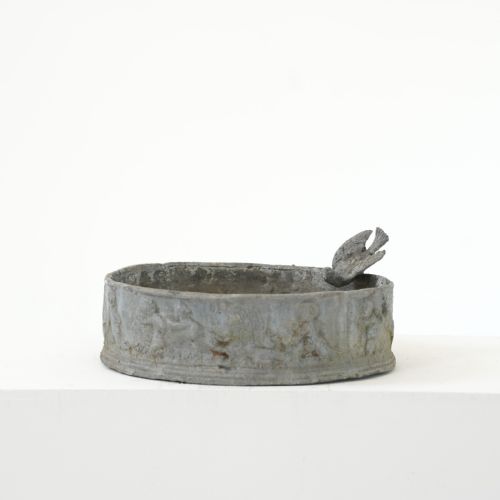

Metal Planter Basin
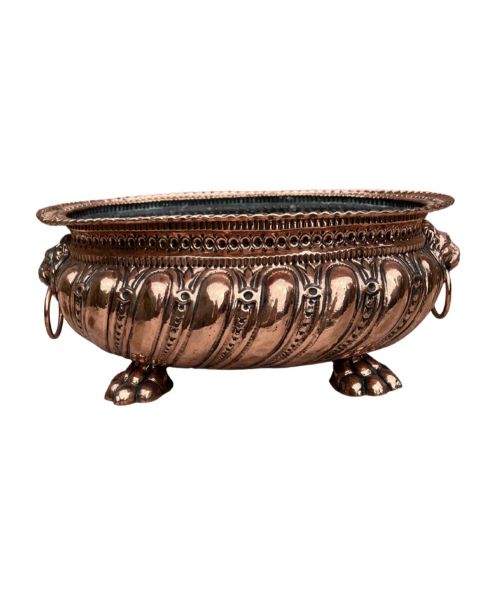
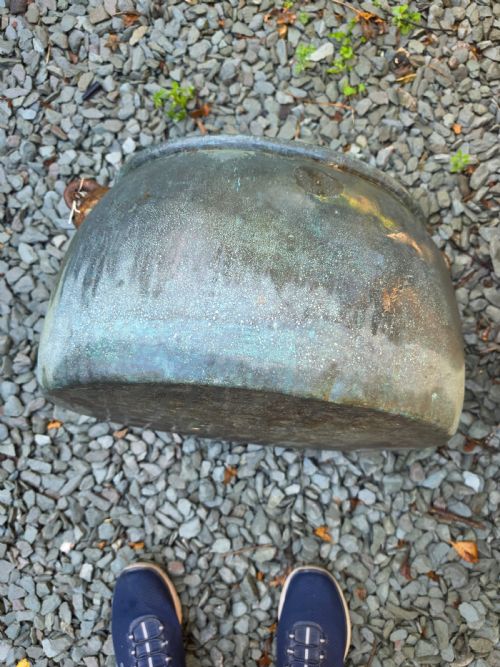
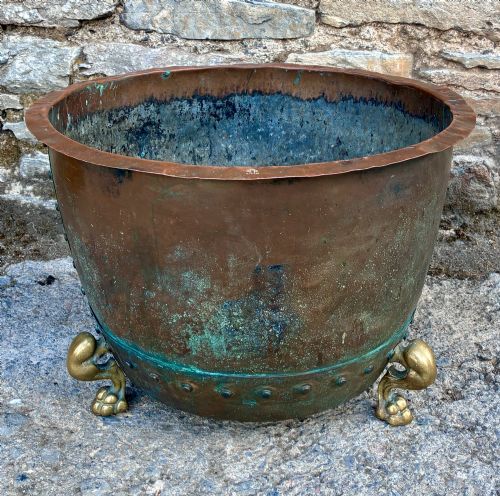
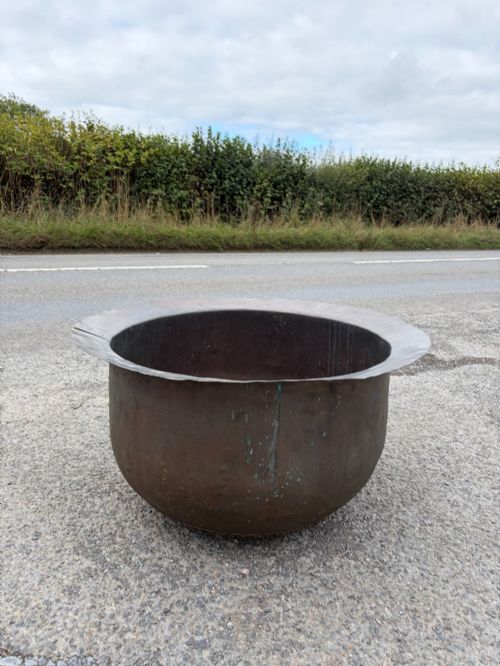
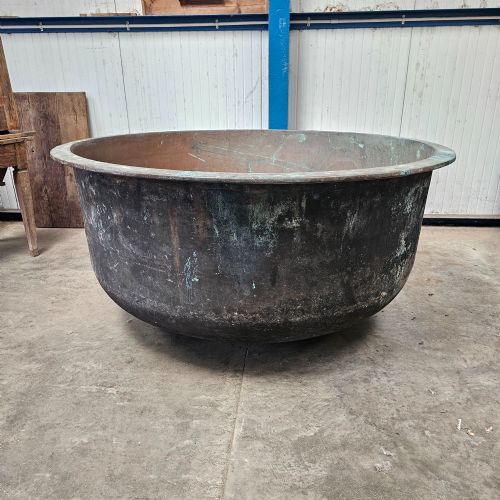
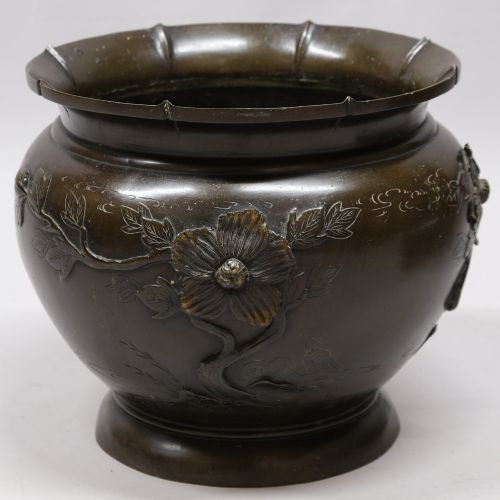
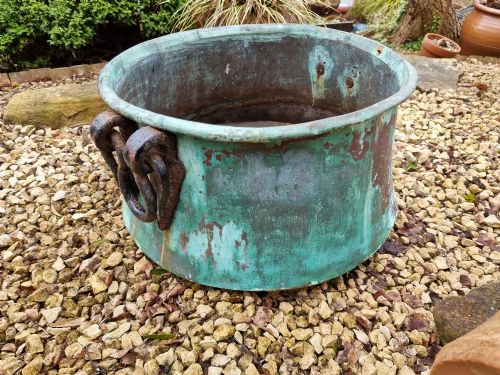
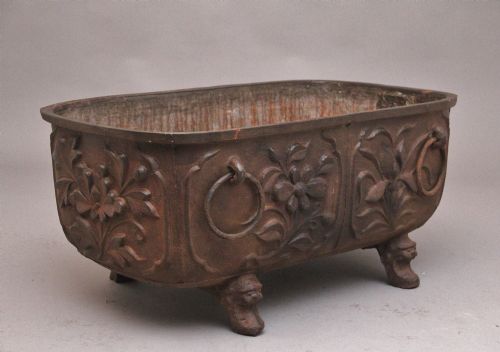
These metal planter basin examples range from nineteenth-century copper pots to bronze bowls, chosen for their garden utility and decorative presence.
Metal Planter Basin
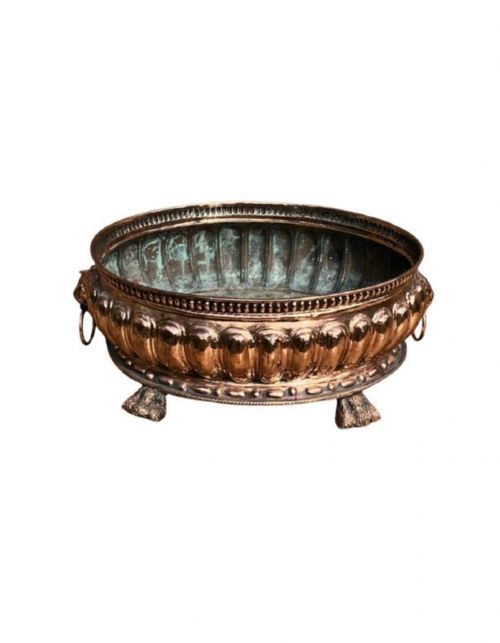
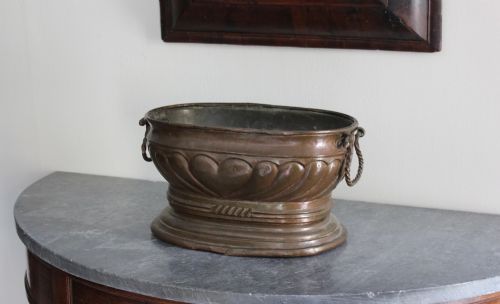
A metal planter basin bridges utilitarian vessels and decorative garden objects, originating as dairy pans, wine coolers, cauldrons, or temple vessels before finding a home in horticulture. The selection leans heavily on nineteenth-century copper pots, jardinieres, and cast iron urns alongside bronze bowls from Japanese Meiji and Edo periods.
Buyers encounter distinct regional and period forms, from English Georgian cream setting pans and French cheese vats to Chinese bronze bowls and cloisonne jardinieres. These pieces transition easily from interior log bins and table bowls to garden focal points.
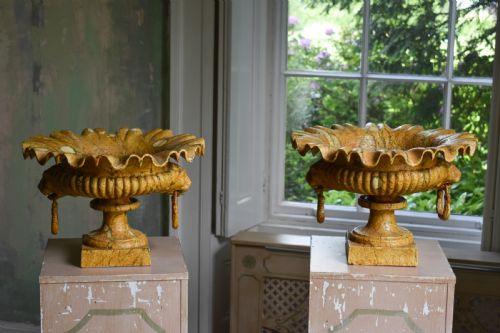
The assortment includes heavy cast iron garden urns and painted pairs alongside weathered copper coppers with verdigris surfaces. Each form carries marks of its original domestic or ritual function into its current decorative role.
Materials and construction methods
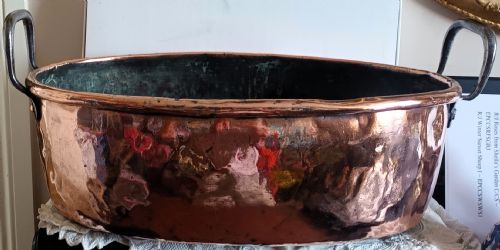
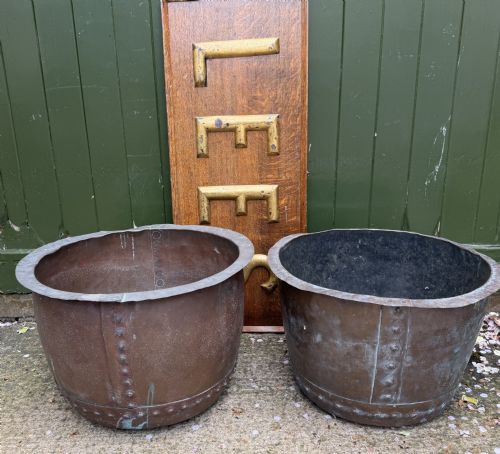
Copper construction dominates the selection, frequently formed with visible hand-riveted seams, rolled rims, and heavy gauge metal suited to holding liquids or earth. Brass and bronze pieces introduce chased detail, repoussé animal heads, and rich patination.
Iron appears in both cast and wrought forms, creating robust garden urns and temple baths that withstand outdoor elements. Protective or decorative finishes include applied paint, scrumbled surfaces, and natural verdigris developed through age.
Metal Planter Basin Retail Price Guide 2026
Typical asking prices for metal planter basin among the pieces listed under this phrase on Sellingantiques today, from the lower quarter to the upper quarter. They describe what is for sale here now, not the wider market.
Several heavy copper vessels began life holding French cheese or English cream before retiring to a quiet life among the hydrangeas.
Assessing quality and character
Quality rests in the weight of the metal, the integrity of riveted joints, and the depth of the natural patina accumulated over centuries. Heavy gauge copper and substantial bronze castings hold their structural form better than lighter alternatives.
Surface finish distinguishes superior examples, where verdigris, weathered patination, and hand-beaten textures provide visual depth. Original fixtures, matched pairs, and intact decorative elements such as handles or animal head mounts elevate the piece.
The Metal Planter Basin Glossary
- Jardiniere
- An ornamental pot or stand for holding plants or flowers. These vessels are typically manufactured from ceramic or heavy metal such as copper and bronze.
- Verdigris
- A green patina formed naturally on copper, brass, or bronze surfaces through atmospheric weathering over long periods. This chemical layer protects the underlying metal.
- Repoussé
- A metalworking technique where the metal is hammered from the reverse side to form a raised design in relief. It often appears on decorative brass and copper basins.
- Cloisonne
- An ancient technique for decorating metal object surfaces using strips of metal to form compartments filled with enamel paste. Examples include Chinese vessels on stands.
- Scrumbled
- A painting method involving the application of a thin layer of translucent or opaque paint over a different base colour to create a textured, mottled finish.
Metal Planter Basin: Frequently Asked Questions
Can I use these metal basins outdoors?
Cast iron urns and heavy bronze or copper vessels tolerate outdoor garden conditions well, particularly when protected from standing water in winter.
Lighter indoor decorative bowls or delicate enamelled pieces benefit from sheltered placement on patios or inside conservatories.
How do I clean verdigris without damage?
Preserving the natural green patina maintains the historical character and surface integrity valued by collectors.
Gentle dusting with a dry cloth removes surface dirt safely without stripping away the protective weathered finish.
What is the difference between a jardiniere and a pot?
A jardiniere functions primarily as an ornamental container designed to display growing plants, often featuring decorative feet, handles, or repoussé work.
Standard pots and pans served utilitarian roles in kitchens, dairies, or vineyards before being repurposed for horticulture.
How do I date antique metal vessels?
Dating relies on manufacturing techniques such as hand-beating, the style of riveted seams, and the metal alloy composition.
Stylistic markers from periods like the Meiji era or Georgian reign also help anchor the piece in time.