



Metal Plant Table
A metal plant table brings greenery indoors on a sturdy stand of brass, iron or cast metal.
Metal Plant Table
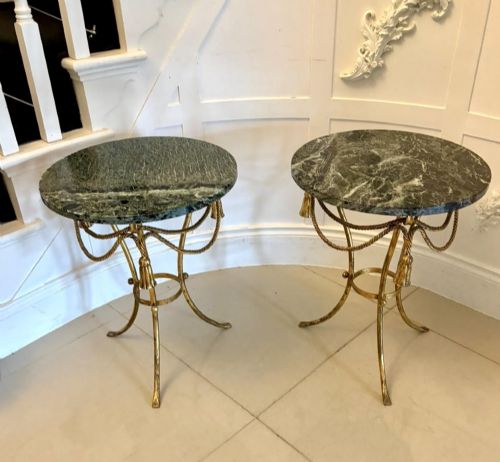
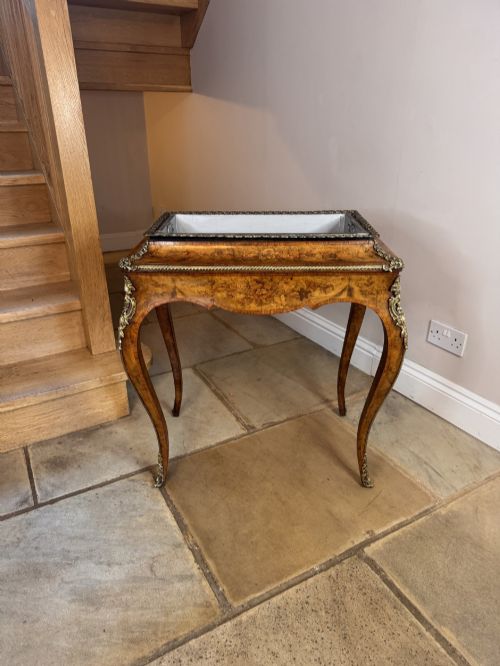
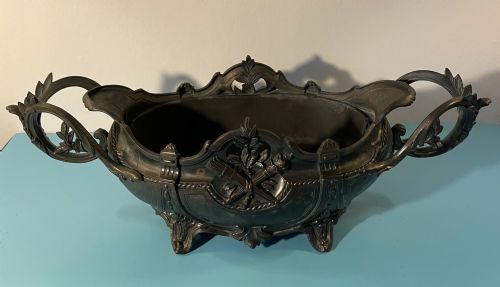
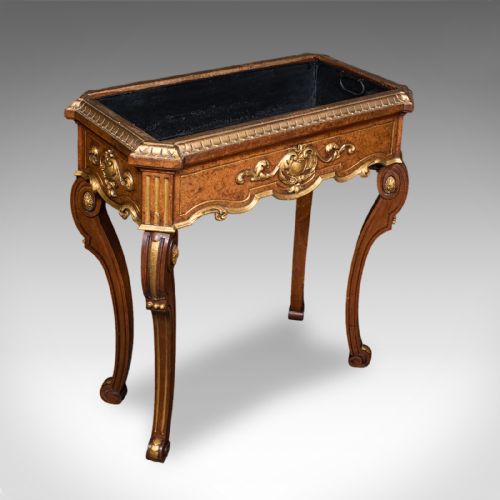
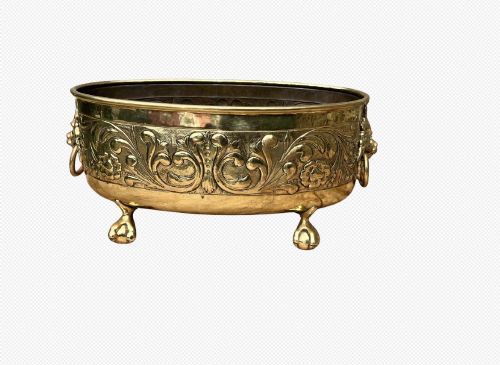
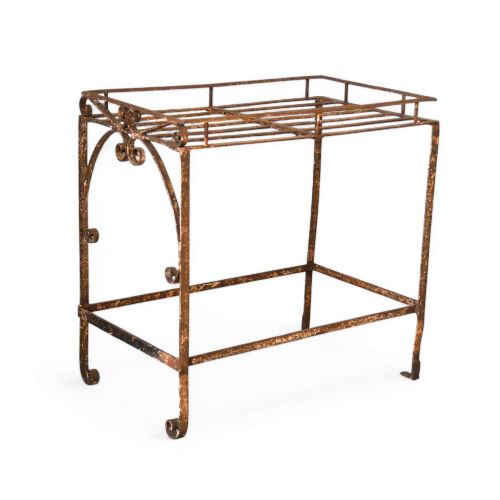
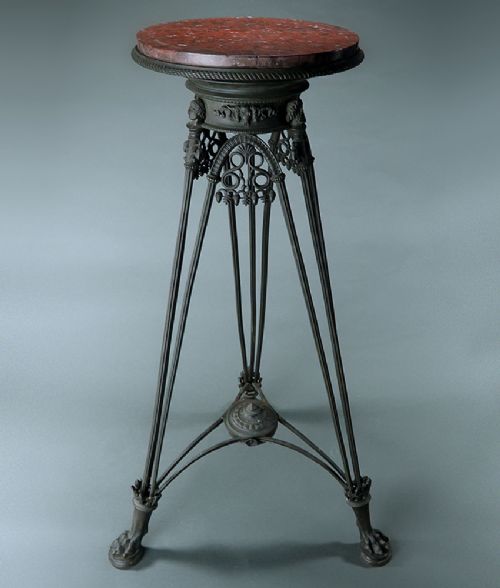
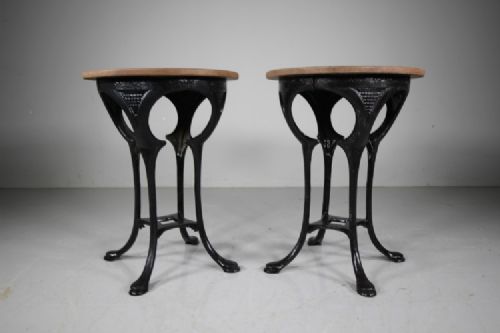
A metal plant table serves primarily to elevate botanical displays, combining structural metalwork with surfaces designed to hold pots, planters or jardinieres. When searching for a metal plant table, buyers encounter forms ranging from freestanding Victorian brass tiers and ornate cast iron stands to French gueridon tables and low garden racks.
The selection includes pieces styled in the French Rococo Revival, Victorian and Mid-Century Modern traditions, often incorporating circular tops suited for display. Many examples integrate inset trays or lined compartments originally intended to manage water from potted greenery.
Origins span across English, French, Italian and Belgian workshops, reflecting diverse regional tastes in domestic and conservatory decoration from the nineteenth century into the twentieth century.
Materials and construction methods
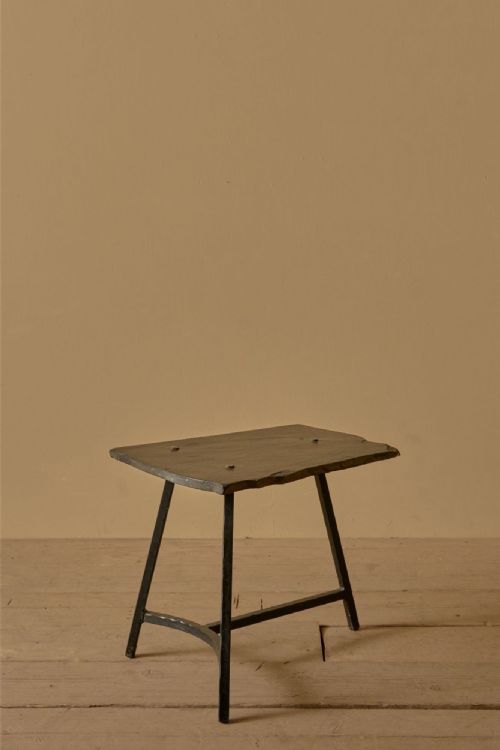
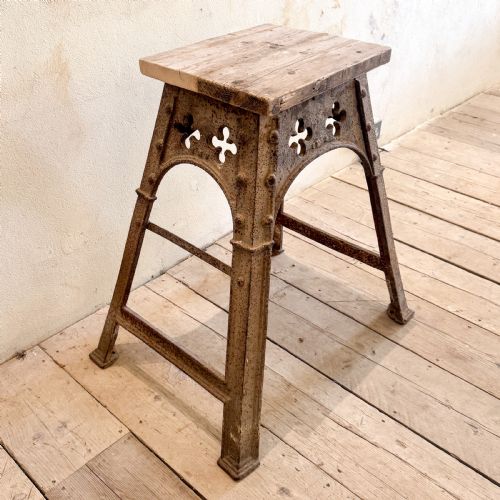
Construction relies heavily on metals such as brass, cast iron, wrought iron and gilt metal, frequently paired with stone tops like marble, slate and onyx. Artisans shaped these materials through casting, forging and chiseled brass work to create durable frames capable of supporting heavy soil and foliage.
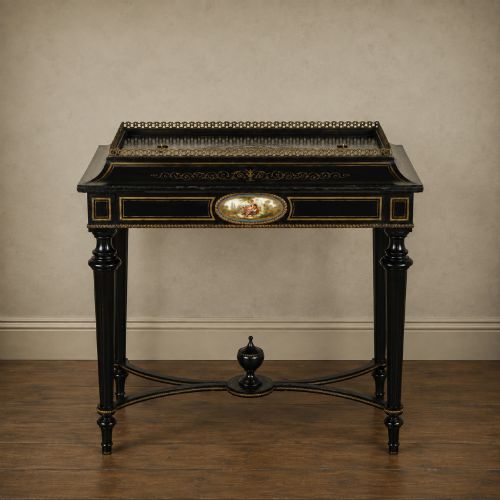
Many items incorporate decorative mounts in ormolu, painted porcelain plaques or inset copper trays, demonstrating detailed metalworking techniques. Wood elements in walnut, satinwood, mahogany and kingwood occasionally accompany the metal framework in hybrid planter tables.
Metal Plant Table Retail Price Guide 2026
Typical asking prices for metal plant table among the pieces listed under this phrase on Sellingantiques today, from the lower quarter to the upper quarter. They describe what is for sale here now, not the wider market.
Listings feature pieces spanning the Victorian period, 1860, 1880, 1900, 1920, 1930 and 1940 in brass, cast iron, wrought iron, marble and zinc.
Distinctions in quality
Quality rests upon the crispness of the casting and the refinement of surface detailing, such as chased brass work or finely forged iron scrolls. Superior examples display balanced proportions and robust joinery that securely integrate stone tops or metal liners without wobble.
The choice of secondary materials, including genuine marble inserts, hand-painted porcelain plaques and substantial ormolu mounts, separates standard utility stands from high-style decorative pieces intended for formal reception rooms.
Archibald Knox·Weisweiler
The Metal Plant Table Glossary
- Jardiniere
- An ornamental pot or stand for holding flowers and plants. These vessels often feature waterproof liners of metal or ceramic.
- Gueridon
- A small French table supported by one or more columns, commonly topped with marble or wood. Originating in the seventeenth century, they served various display functions.
- Ormolu
- Gilt bronze mounted onto furniture or decorative objects. The technique involves applying a finely ground gold-mercury amalgam to bronze.
- Toleware
- Lacquered or enamelled metalware painted by hand. This technique appeared frequently on decorative trays and small household vessels.
- Strapp work
- An ornamental strapwork pattern resembling leather bands or scrolls. Artisans applied this motif to surface decoration and ironwork.
Metal Plant Table: Frequently Asked Questions
What is a metal plant table used for?
These tables were designed to hold indoor plants, ferns and cut flowers while protecting interior surfaces from moisture. They functioned as central decorative accents in nineteenth-century drawing rooms and glasshouses.
Today, they serve the same purpose for domestic horticulture or display items like lamps and ceramics.
How do I distinguish a jardiniere table from a side table?
A jardiniere table incorporates a built-in metal liner, well or tray designed specifically to hold soil or potted plants. Standard side tables feature flat, solid surfaces intended for general placement.
Many plant tables include removable liners to facilitate watering and cleaning.
Where should I place a metal plant table at home?
These pieces suit conservatories, sunrooms or living spaces that receive adequate natural light for houseplants. Their compact footprints make them effective corner accents or window-side display stands.
Care should be taken to protect sensitive flooring from any residual moisture originating from plant pots.
How do I identify the period of a metal plant table?
Dating relies upon stylistic markers such as cast iron manufacturing methods, neoclassical or rococo revival motifs, and the types of secondary woods used in hybrid constructions. Pieces from the Victorian era often display heavy brass or cast iron ornamentation.
Mid-century and art nouveau examples shift toward simpler geometric lines or organic floral wrought ironwork.