



Metal Occasional Table
These metal occasional table examples combine functional utility with diverse decorative styling across multiple historic periods.
Metal Occasional Table
A metal occasional table serves as a versatile surface designed for placement throughout the home, appearing in forms ranging from side tables and centre tables to writing tables and magazine racks. When exploring this selection, buyers encounter pieces spanning the nineteenth century, Victorian era, and various twentieth-century decades including the 1920s, 1930s, and 1940s.
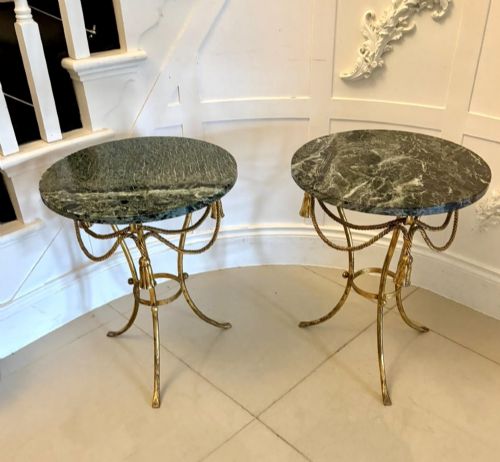
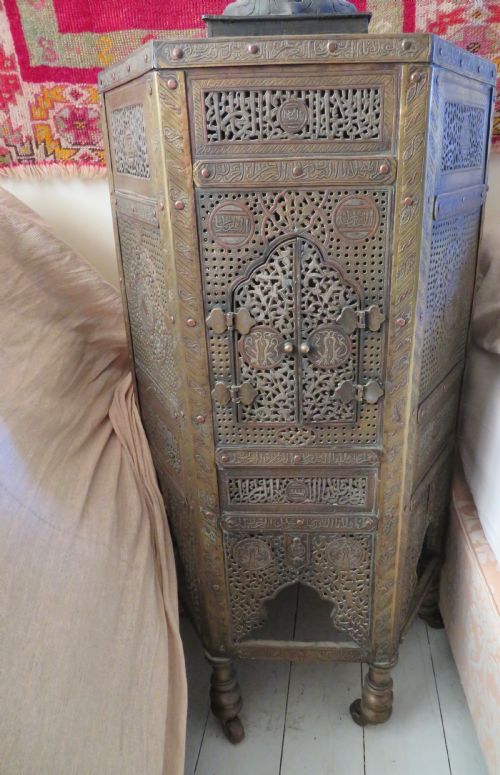
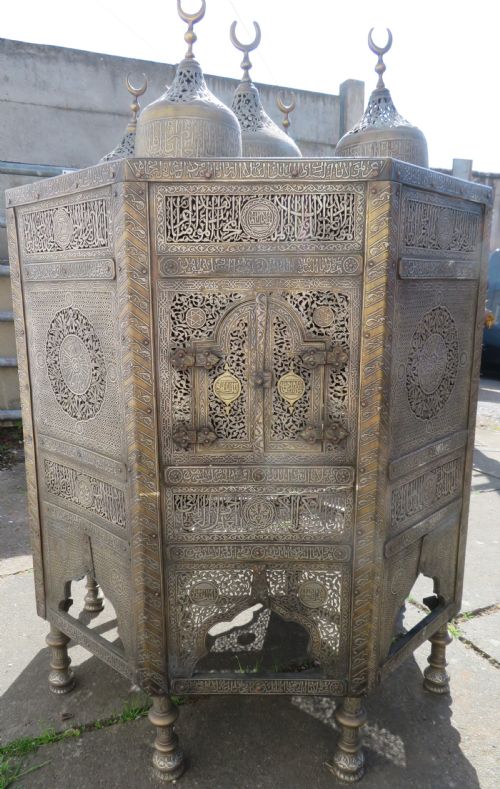
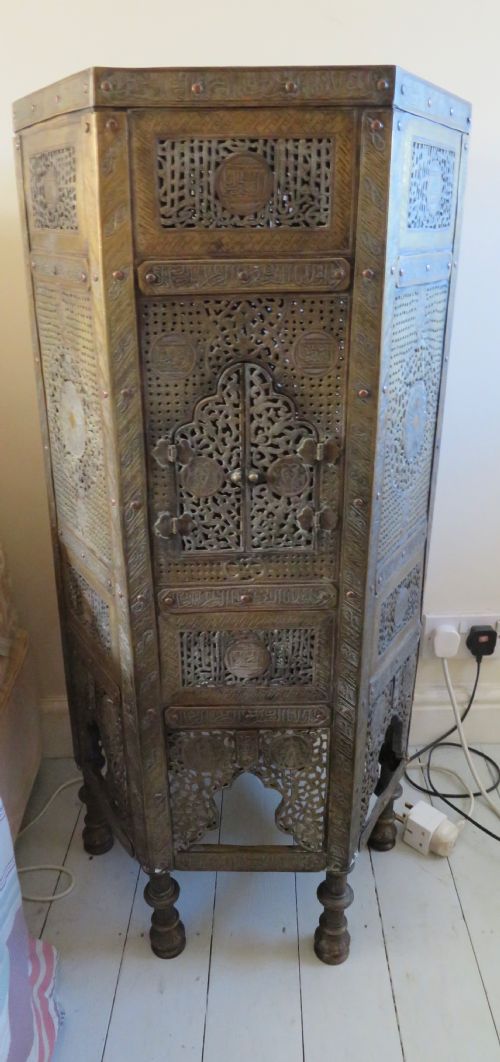
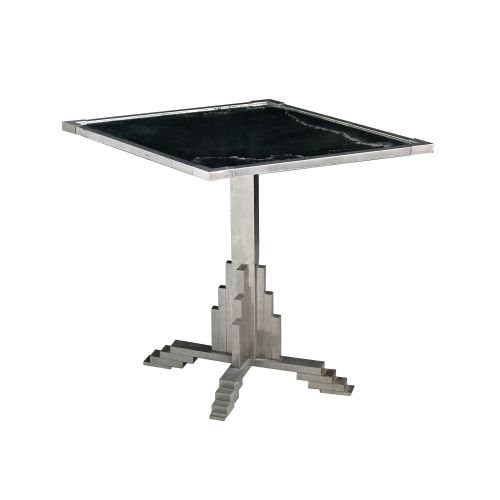
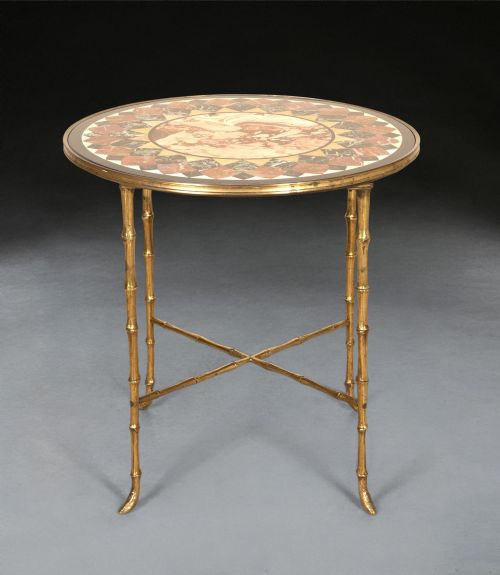
The objects derive from diverse international traditions, encompassing French gilt-metal mounts, Italian brass and marble designs, and brass cairoare items such as hexagonal kursi tables. Alongside these, distinct modernist expressions emerge through chrome and glass construction.
Forms vary from small wine tables and kidney-shaped racks to substantial marble-topped guéridons. This variety ensures that tables integrate into both traditional period interiors and streamlined modernist spaces.
Materials and construction methods
Construction relies heavily on metals such as brass, copper, chrome, cast iron, and gilt metal, frequently paired with inset surfaces of marble, mirrored glass, or standard glass plate. Artisans employed casting, openwork cutting, and metal inlay techniques, notably seen in silver and gold inlaid brass pieces.
Wood elements occasionally support the metal framework, utilising marquetry, parquetry, kingwood, and walnut in French and English examples. Gilt bronze and ormolu mounts further embellish these wooden and stone structures.
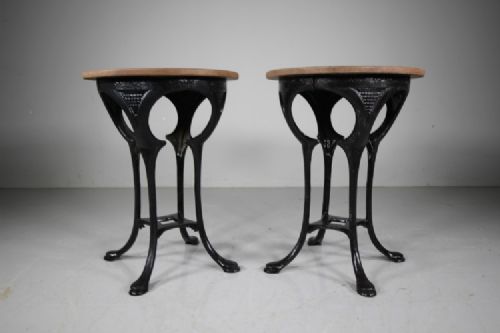
Surface ornamentation ranges from engraved copper trays and scrolling cast iron to intricate white-metal and copper inlays. These varied techniques reflect the specific aesthetic demands of movements spanning from Art Deco and Arts and Crafts to Victorian revivals.
Materials span brass, copper, chrome, cast iron, gilt metal, onyx, and various forms of marble.
Assessing quality in metal tables
Quality rests upon the precision of the metalwork and the integrity of the materials employed, such as solid cast elements versus lighter pressed components. Superior examples display crisp chasing, secure inlays, and stable structural joints.
The choice of secondary materials defines the tier of a piece, distinguishing standard glass tops from fine specimen marbles, verde marble, or onyx inserts. Finer furniture integrates marquetry veneers and hand-engraved details with exact alignment.
Design attribution and stylistic coherence elevate certain pieces, separating standard production items from marked studio works or documented designer models. The harmony between the metal frame and its top dictates the overall success of the object.
Oliver Percy Bernard·Archibald Knox·Peter Ghyczy
The Metal Occasional Table Glossary
- Guéridon
- A small French table, often round and supported by a central column or multiple legs, frequently mounted with gilt metal.
- Cairoware
- Metalwork originating from or inspired by Cairo, typically consisting of brass vessels and tables inlaid with silver and copper in Islamic geometric patterns.
- Ormolu
- Gilt bronze ornamentation applied to furniture and decorative objects, popular in French and revival pieces.
- Kursi
- A low hexagonal table or stand, often associated with Middle Eastern cairoare traditions and utilised to support objects like Qurans.
- Marquetry
- Decorative patterns formed by fitting together small pieces of wood veneer or other materials onto a structural surface.
Metal Occasional Table: Frequently Asked Questions
What is a metal occasional table?
A metal occasional table is a portable furniture piece featuring a metal frame or top, used for display or serving.
These items encompass forms like side tables, coffee tables, and small stands created across the nineteenth and twentieth centuries.
Where were these tables used?
These tables functioned primarily in reception rooms, drawing rooms, and boudoirs as movable surfaces for lamps and decorative objects.
Conservatories and hallways also accommodated lighter forms like cast iron plant stands and wine tables.
How do I style a metal occasional table?
Pairing a metal occasional table with contrasting materials like upholstered seating highlights its reflective surfaces and structural frame.
Placing them beside period or modern seating provides a functional resting surface that anchors a room layout.
How do I identify Art Deco tables?
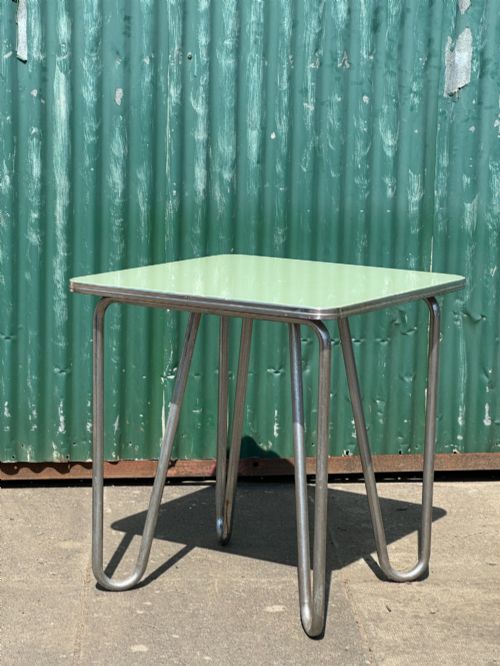
Art Deco metal tables frequently utilise chrome, tubular steel, and glass to create geometric and streamlined silhouettes.
Dates cluster around the 1920s and 1930s, distinguishing them from ornate Victorian or revivalist pieces.