



Metal Lidded Jug
These metal lidded jug pieces offer robust utility and tactile historical presence, bringing centuries of skilled craftsmanship directly to your table.
Metal Lidded Jug
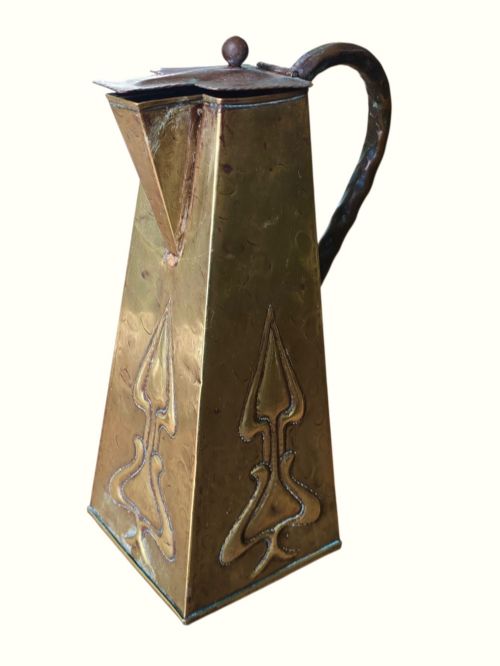
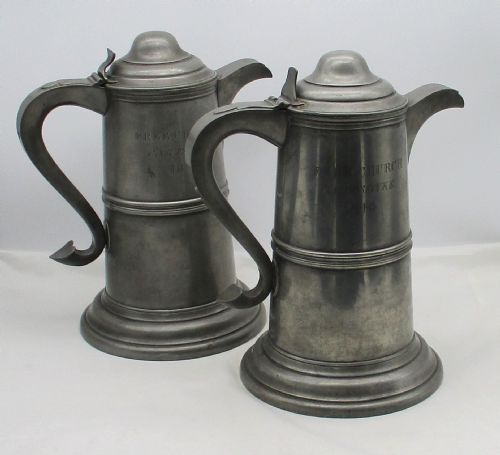
A metal lidded jug spans diverse forms including communion flagons, spirit measures, and serving pitchers designed for liquids. These vessels emerge from periods ranging across the eighteenth and nineteenth centuries into nineteen hundred.
Common material choices include pewter, copper, brass, stoneware, and silver plate, often shaped into flagons, ewers, and tappit hens. Each object reflects the utilitarian or ceremonial requirements of its original context.
Materials and construction
Pewter and copper dominate the construction methods, shaped through hammering, casting, and soldering techniques. Artisans worked these base metals to achieve both rigid structural capacity and decorative surface relief.
Makers integrated hinged lids carefully onto spouted bodies using thumbpieces and secure mounts. Stoneware elements combined with metal fittings appear alongside mixed metal designs in brass and copper.
Metal Lidded Jug Retail Price Guide 2026
Typical asking prices for metal lidded jug among the pieces listed under this phrase on Sellingantiques today, from the lower quarter to the upper quarter. They describe what is for sale here now, not the wider market.
Some nineteenth-century beer jugs are large enough to submerge a small cat, though current residents prefer using them for dramatic mantelpiece floral displays.
Assessing quality and execution
Quality rests in the crispness of cast details, the structural integrity of the hinged lid, and the balanced weight of the metal. Superior examples exhibit harmonious proportions and deliberate hand-finishing marks rather than uniform industrial stamping.
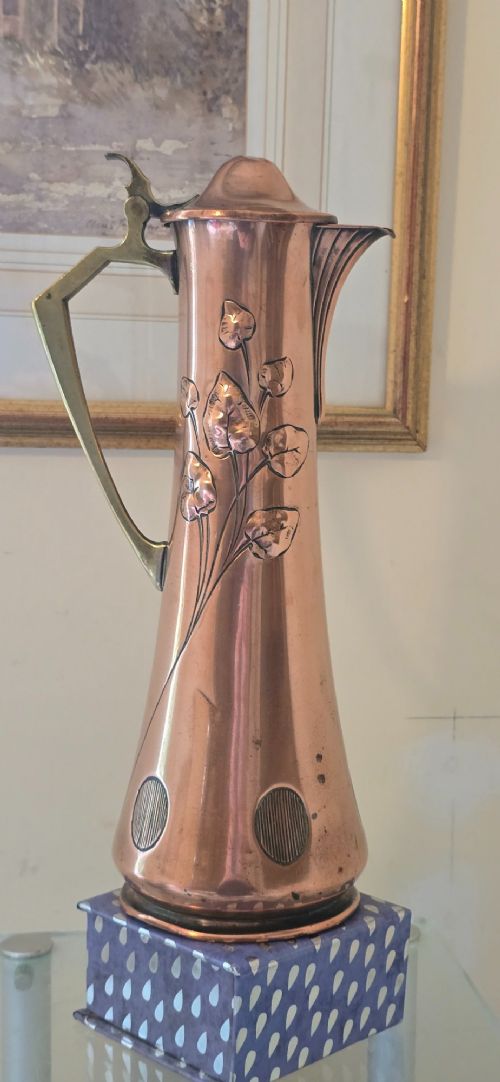
The refinement of decorative motifs, such as floral relief work or ecclesiastical crests, distinguishes standard utility items from masterwork pieces. Preservation of original surface patination further elevates an item's standing.
Joseph Sankey·John Heaney·Robert Iles·Royal Doulton
The Metal Lidded Jug Glossary
- Flagon
- A large vessel with a handle and lid, historically used for church communion or pouring beverages. These pieces often feature substantial spouts and secure thumbpiece lids.
- Spirit measure
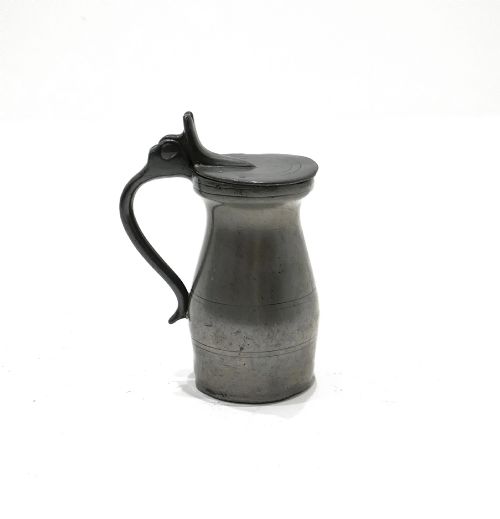
- A standardised vessel for containing and dispensing alcohol, typically marked with capacity indicators. Eighteenth-century examples include half gill and imperial sizes.
- Tappit hen
- A traditional Scottish pewter drinking vessel with a lid, defined by its specific capacity and distinctive bulbous silhouette. The name relates to the knob on the lid.
- Ewer
- A large pitcher with a wide spout and ornate handle, frequently produced in copper or brass during the Art Nouveau period. They were designed for aesthetic display as well as pouring.
- Silver plate
- A thin layer of silver bonded to a base metal core, creating the appearance of solid silver. This technique gained prominence in nineteenth-century tavern and domestic wares.
Metal Lidded Jug: Frequently Asked Questions
How do I clean an antique copper jug?
Clean surfaces gently with a soft cloth to preserve the natural historical patination accumulated over generations. Avoid harsh chemical abrasives that strip away the characteristic ageing of the metal.
Maintain a dry environment to prevent further oxidation or active corrosion on copper and brass items. Regular dusting keeps the metal secure without altering its surface character.
Can I use these vessels for serving drinks?
Many pewter and copper pieces were originally made for liquids, but historical composition and age require careful evaluation. Modern food safety standards may advise against consuming beverages from antique metal alloys.
Displaying these vessels as decorative objects or dry flower containers protects the interior surfaces. If used for liquids, inspect the soldered joints and interior condition thoroughly first.
How do I date a pewter flagon?
Examine the style of the handle, the form of the thumbpiece, and any capacity stamps or maker touches. Eighteenth-century pieces often display touchmarks stamped directly into the metal surface.
Compare the weight and construction methods, such as casting seams, against known period examples. Stylistic shifts from Georgian austerity to Victorian ornamentation help narrow down the decade of production.