



Metal Lamp Stand
A metal lamp stand brings functional illumination and sculptural weight to a room, ranging from slender Victorian brass columns to bold Art Deco uplighters.
Metal Lamp Stand
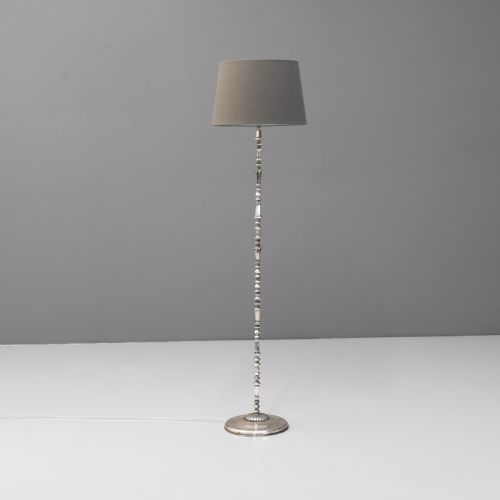
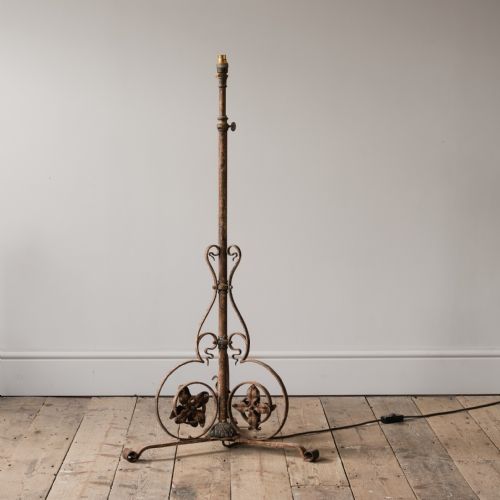
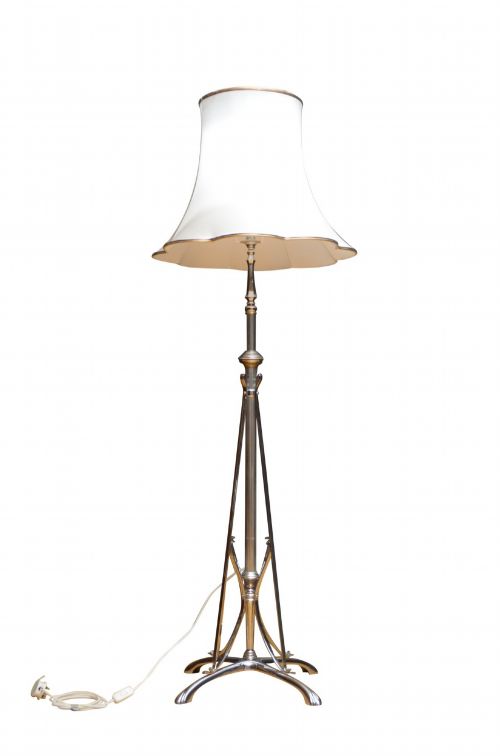
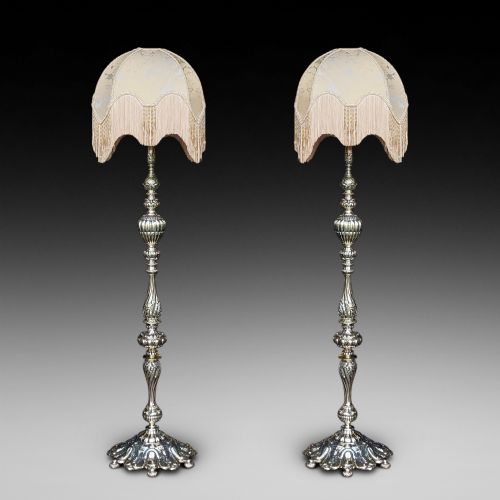
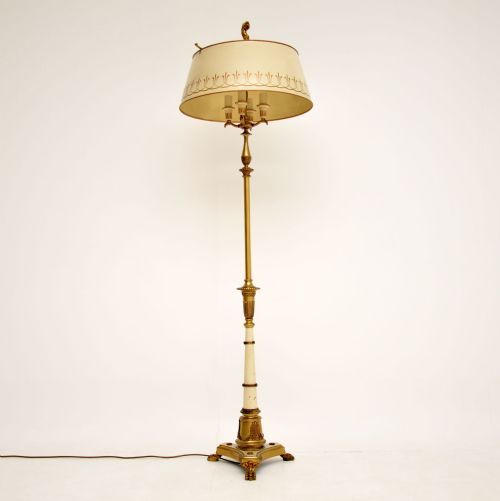
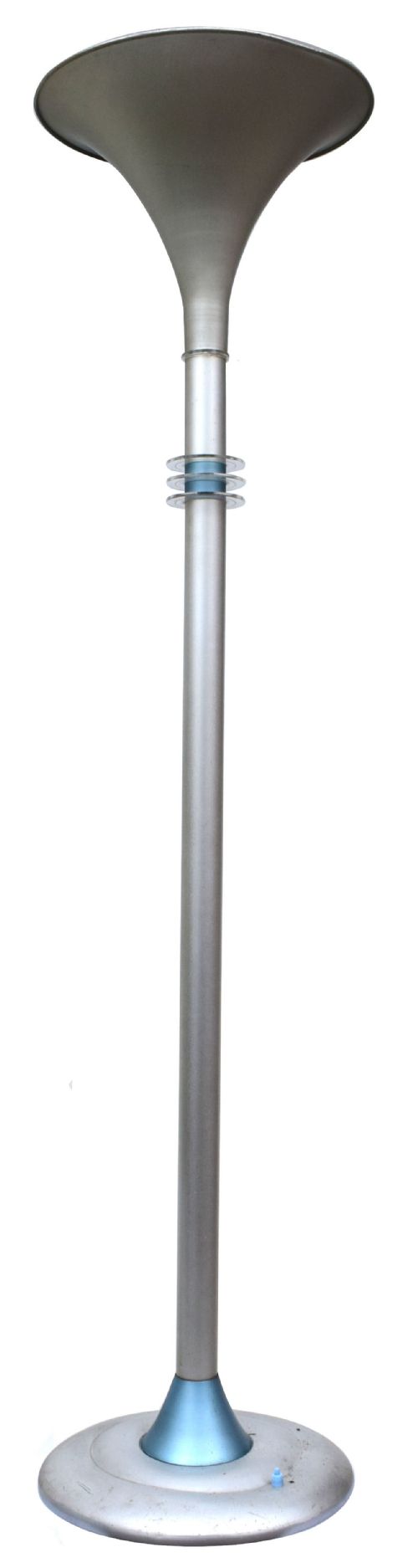
A metal lamp stand is a tall vertical support designed for lighting, appearing on this page in forms such as standard lamps, floor lamps, torcheres, and lantern stands. These pieces emerge from periods spanning the eighteenth century through to the mid-twentieth century, encompassing Victorian, Edwardian, and Art Deco aesthetics.
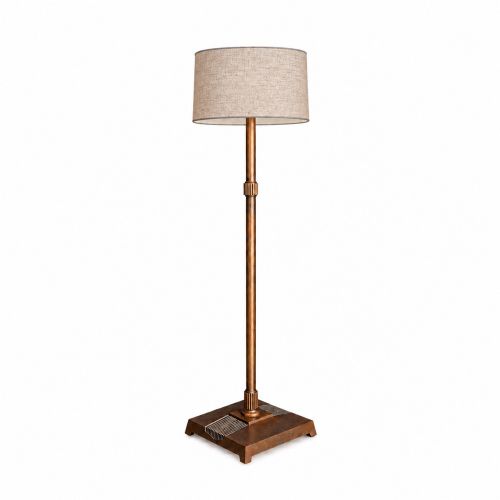
The most common versions encountered here are floor-standing standard lamps and adjustable wrought iron or brass columns. Many examples combine utility with distinct historical styles, including Art Nouveau, French Neoclassical, and Gothic Revival.
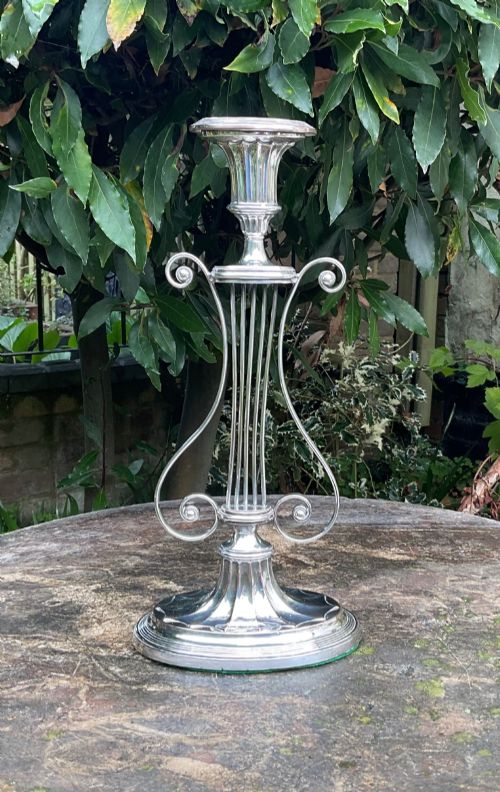
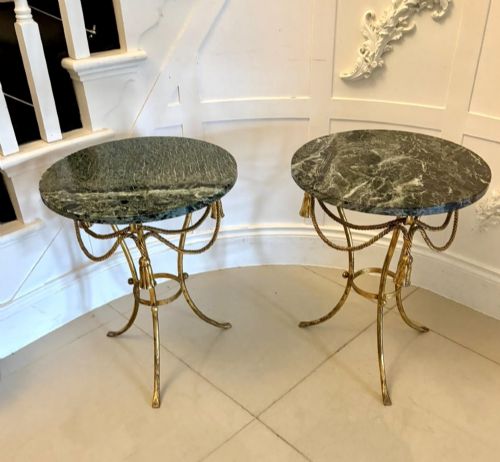
Beyond standard illumination, the selection includes specialised forms like floor candelabras, plant stands, and combined side tables. These multi-purpose designs demonstrate how metal supports were adapted to hold lamps alongside coffee cups or decorative foliage.
How they were made
Makers utilised durable metals such as brass, copper, wrought iron, cast iron, bronze, and gilt metal to build rigid vertical shafts. Blacksmith-made and wrought iron pieces rely on hand-forging techniques, visible in adjustable arms and telescopic mechanisms.
Foundry work and turning shaped the heavy brass and bronze standards, often incorporating scroll arms or weighted bases for stability. Decorative touches involved applied ormolu, silvering, and stone elements like marble and onyx integrated into the shafts and tabletops.
Metal Lamp Stand Retail Price Guide 2026
Typical asking prices for metal lamp stand among the pieces listed under this phrase on Sellingantiques today, from the lower quarter to the upper quarter. They describe what is for sale here now, not the wider market.
What varies in quality
Quality rests in the substance of the metalwork and the precision of mechanical adjustments, such as telescopic height actions and articulated scroll arms. Heavier gauge brass and hand-forged wrought iron command greater presence and structural integrity than lighter pressed-metal alternatives.
The refinement of decorative detailing separates standard production from superior pieces. Finely chased ormolu mounts, integrated marble or onyx tiers, and cohesive stylistic execution from bases to shade holders distinguish the finer examples in this selection.
W A S Benson·RENE MATHIEU
The Metal Lamp Stand Glossary
- Standard lamp
- A tall floor-standing lamp designed to illuminate a room from a raised light source. These pieces typically feature a weighted base to support an extended vertical column.
- Torchiere
- An ornate standing lamp that directs light upwards towards the ceiling. This form gained popularity during the Art Deco and neoclassical periods.
- Telescopic
- An adjustable mechanism allowing the vertical shaft of a lamp to extend or retract. This feature enabled users to alter the height of the light source.
- Ormolu
- Gilded bronze or other metals applied as decorative mounts on furniture and lighting. The technique imparts a rich gold-coloured finish to metal surfaces.
- Wrought iron
- Iron that has been heated and shaped by hand tools by a blacksmith. This material yields strong, textured standards often fitted with adjustable arms.
Metal Lamp Stand: Frequently Asked Questions
How do I adjust a telescopic metal lamp stand?
Telescopic metal lamp stands usually feature a thumbscrew, collar, or internal spring mechanism near the middle of the vertical shaft. Loosening this fastener allows the inner tube to slide up or down to the desired height.
Once positioned, tighten the mechanism securely to lock the column in place. Older iron and brass stands require careful handling to avoid damaging original threads.
Were these stands originally electric?
Many nineteenth-century and early twentieth-century stands were originally configured for oil, gas, or candlelight rather than electricity. Wrought iron and brass standards often housed oil fonts or gas burners before later conversion.
Today, most of these pieces have been electrified for modern domestic use. Collectors look for conversions that respect the original structure of the lamp.
Where should I place a floor lamp?
Floor lamps suit corners of reception rooms, beside reading armchairs, or adjacent to side tables. Their vertical height fills empty vertical space without consuming excessive floor area.
Heavier cast iron and bronze models anchor larger rooms, while slender brass columns fit comfortably beside period seating.
How do I identify an Art Deco standard lamp?
Art Deco standard lamps typically display geometric forms, stepped bases, and clean vertical lines from the 1920s and 1930s. Materials often include polished brass, chrome, or uplighter glass shades.
These designs eschew Victorian ornamentation in favour of streamlined silhouettes suited to modern interiors of the interwar period.