



Metal Incense Vessel
A metal incense vessel brings centuries of ritual history and exceptional bronze casting into a room, offering both sculptural presence and traditional utility.
Metal Incense Vessel
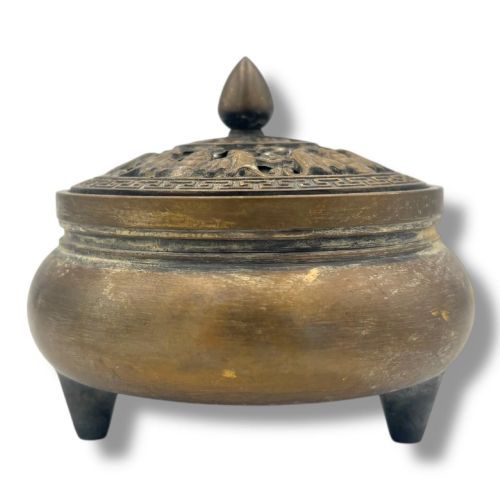
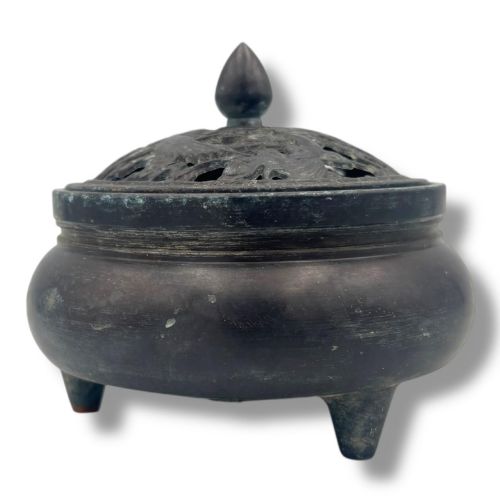
A metal incense vessel serves primarily as a censer, burner, or ritual bowl designed to hold burning incense in scholarly and sacred settings. These pieces range from substantial ritual bronzes to lidded scholarly studio items.
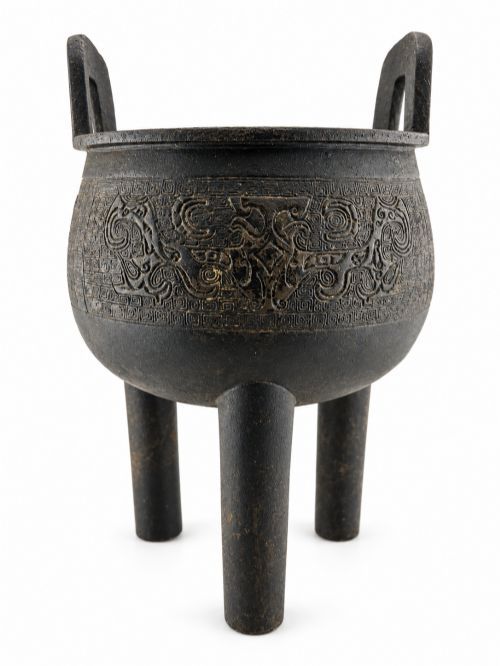
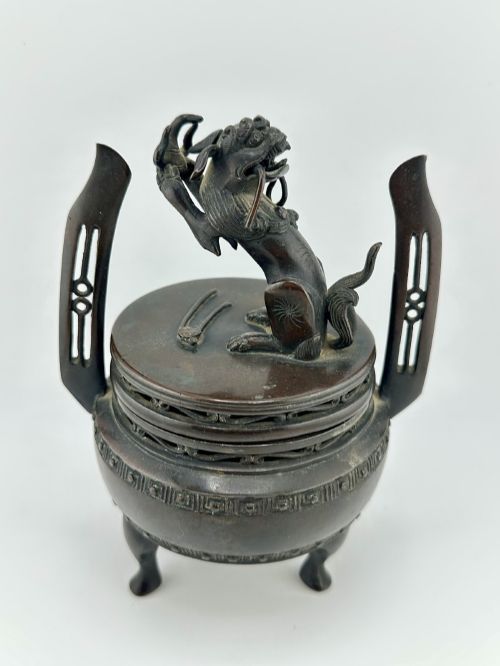
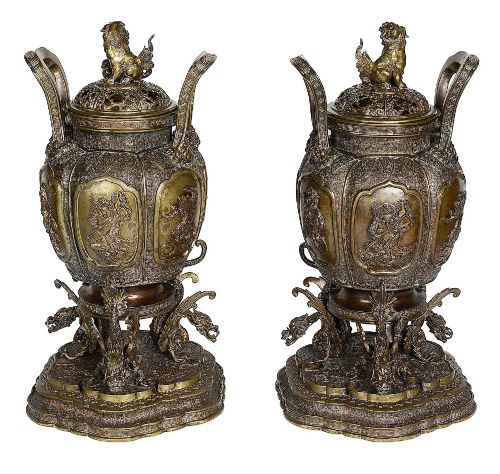
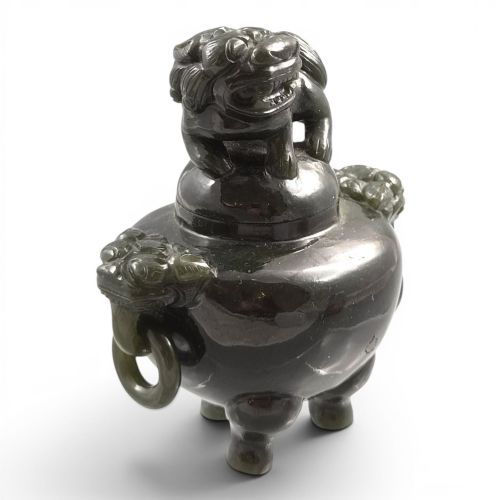
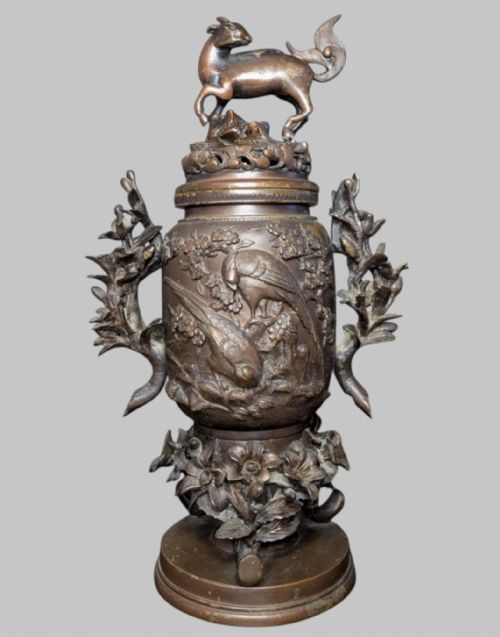
The selections span significant historical eras, drawing heavily from the Ming and Qing dynasties as well as the Meiji period in Japan. Buyers encounter tripod vessels, ritual ding forms, and handled censers decorated with taotie masks or qilin finials.
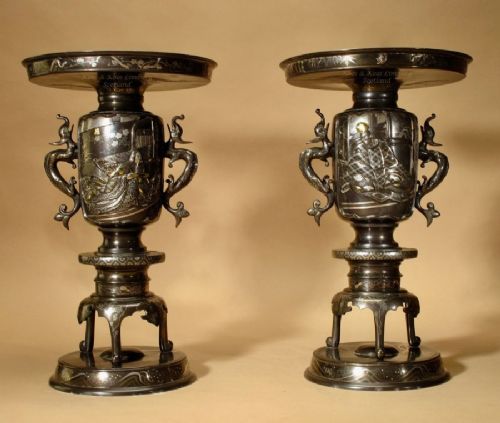
Many examples incorporate specialised stands or custom hardwood bases alongside fitted lids. Materials extend beyond standard bronze to include brass, enamel, and jade accents.
Materials and casting methods
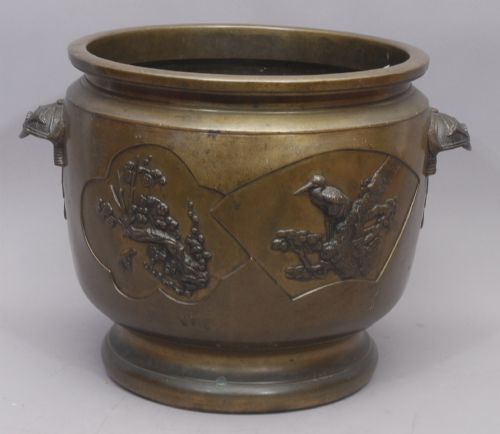
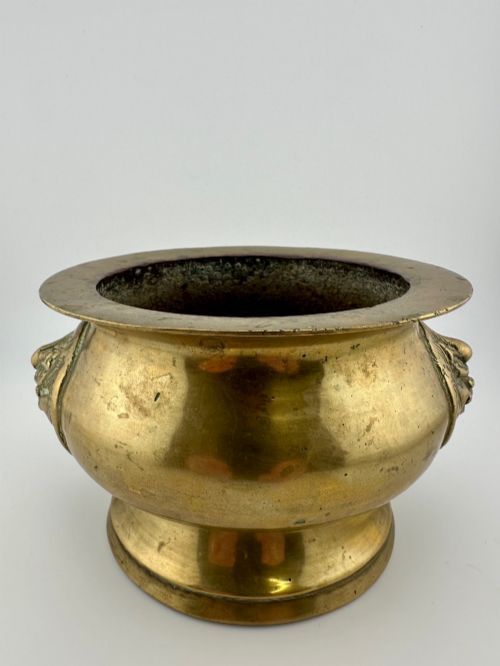
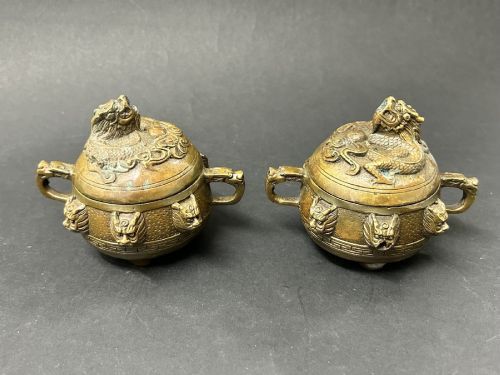
Bronze and brass form the structural core of these items, shaped through heavy casting techniques that yield substantial weight and resonant metal walls. Artisans utilised specialised lost-wax casting methods to achieve intricate surface details like lion-mask handles and relief panels.
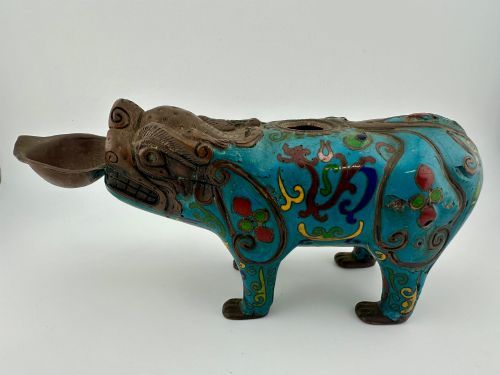
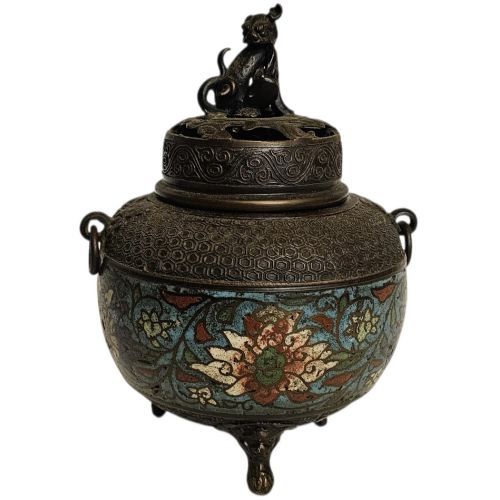
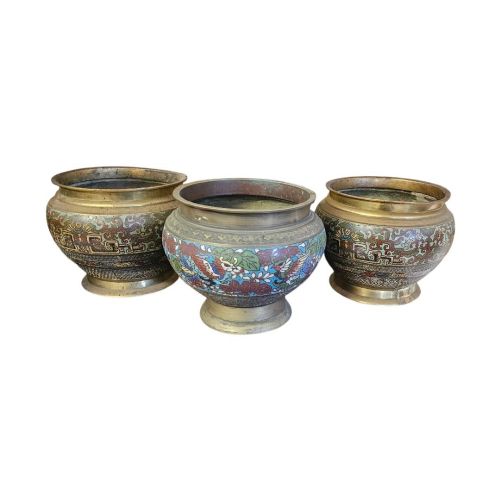
Surface decoration frequently involves champlevé or cloisonné enamel work, applying coloured glass pastes within wire compartments or recessed channels. Inlays of hardstone and jade, along with gilt-splash applications, further enrich the worked metal surfaces.
Metal Incense Vessel Retail Price Guide 2026
Typical asking prices for metal incense vessel among the pieces listed under this phrase on Sellingantiques today, from the lower quarter to the upper quarter. They describe what is for sale here now, not the wider market.
Listings feature vessels from the 16th century through the 20th century, predominantly utilising bronze, brass, and enamel.
Assessing quality and execution
Quality rests significantly upon the density and thickness of the cast metal, where heavier specimens display superior acoustic resonance and structural integrity. Master-cast pieces exhibit crisper definition in archaic motifs such as taotie masks and dragon reliefs.
The refinement of the surface patina and the integration of secondary materials like hardstone inlays or custom zitan stands differentiate standard production from high-status scholarly items. Precision in reign marks and seal stamps also indicates the tier of manufacture.
The Metal Incense Vessel Glossary
- Censer
- A vessel designed specifically for burning incense during religious or scholarly rituals. These items often feature pierced covers to allow fragrant smoke to escape.
- Tripod
- A vessel supported by three legs, commonly seen in ancient ritual bronzes and later scholar's studio pieces. This configuration provides stability on flat surfaces.
- Cloisonné
- An enamelwork technique where metal wires are soldered to a metal base to create compartments filled with paste before firing. This method produces colourful patterns across the body.
- Qilin
- A mythical composite beast appearing frequently as a sculptural finial on vessel lids. It symbolises good omen and longevity in East Asian art.
Metal Incense Vessel: Frequently Asked Questions
What is a metal incense vessel?
A metal incense vessel is a container fashioned from bronze, brass, or copper alloy used for burning aromatic materials. These objects encompass tripod censers, ritual bowls, and lidded burners.
Historically associated with scholarly studies and religious shrines, they combine utilitarian function with intricate sculptural casting.
How were these vessels used?
These vessels functioned primarily to burn solid or powdered incense, releasing fragrance into domestic or ceremonial spaces. Pierced lids allowed the scented smoke to diffuse evenly.
In scholar's studios, they also served as contemplative art objects meant to inspire meditation and intellectual focus.
How do I identify Ming or Qing period pieces?
Identification relies on observing casting styles, patination, and specific decorative motifs such as taotie masks or dragon reliefs. Heavier weights and archaic vessel forms often point toward earlier Ming manufacturing.
Later Qing examples frequently incorporate reign marks, distinct enamel detailing, or custom hardwood stands.
How should I display a censer at home?
Displaying a censer involves placing it on a stable surface where its weight and patina can be appreciated. Many pieces look best paired with their original wooden stands.
Keeping them away from damp environments helps preserve the integrity of the bronze surface and any applied enamel work.